The automotive landscape is constantly shifting, and with it, the identities of beloved models. This article explores a fascinating transition within the Subaru lineup, as the iconic Outback, historically a station wagon, takes on a more SUV-like form, while the brand's new electric vehicle, the Trailseeker, embraces the classic wagon silhouette. It delves into the potential impact of these design changes on loyal Subaru customers and the broader automotive market, examining how practicality and sentimentality often drive purchasing decisions.
Navigating the Evolving Roads of Subaru's Legacy
The Neighborhood Phenomenon: A Personal Connection to the Outback's Enduring Appeal
The author shares a unique personal fascination with the Subaru Outback, meticulously observing its prevalence in their community. This informal census reveals a surprising concentration of Outbacks, far exceeding national averages. This observation lays the groundwork for a deeper inquiry into the model's enduring popularity and the author's emotional attachment to its distinctive station wagon form.
An Identity Shift: The Trailseeker's Wagon Form and the Outback's SUV Transformation
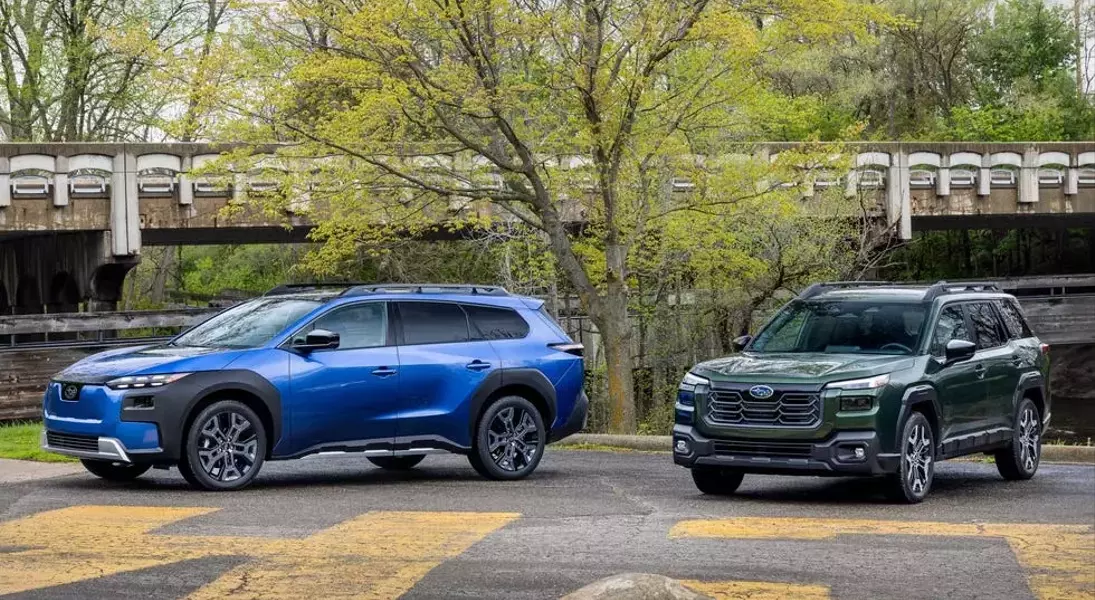
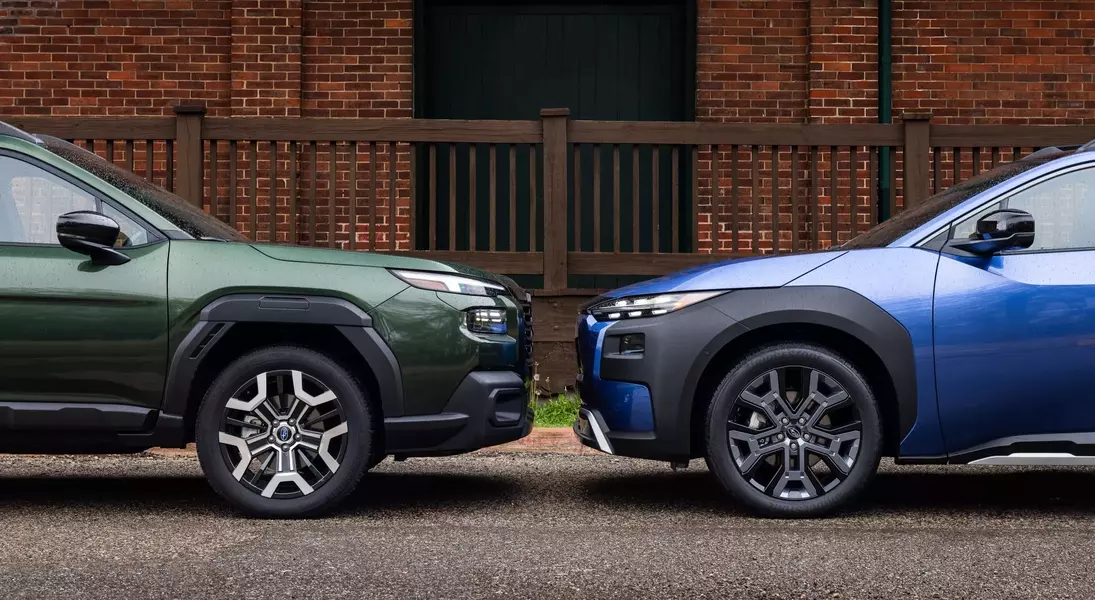
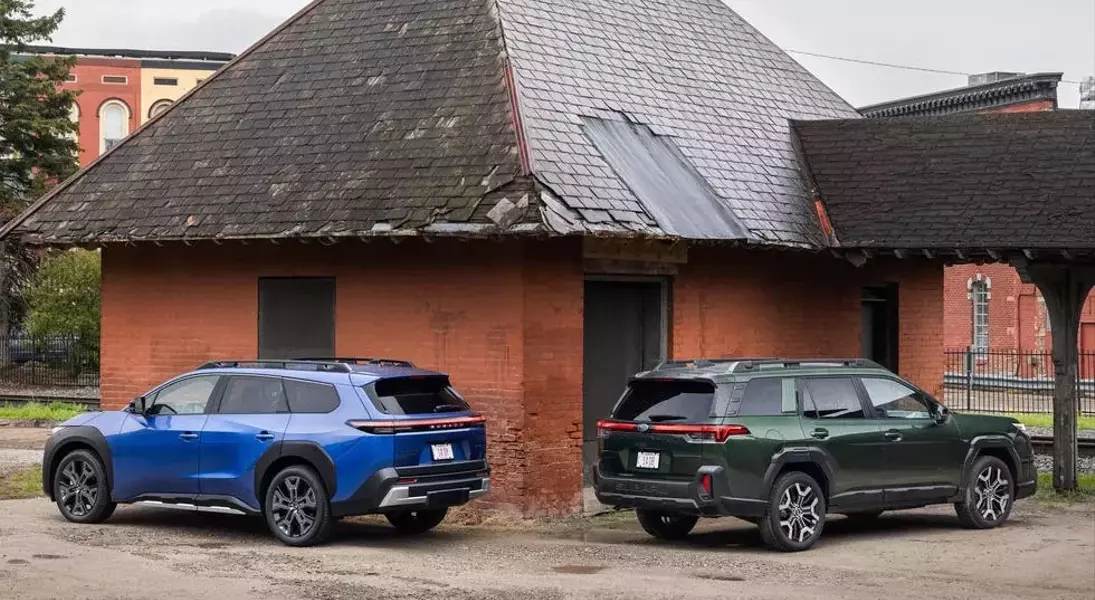
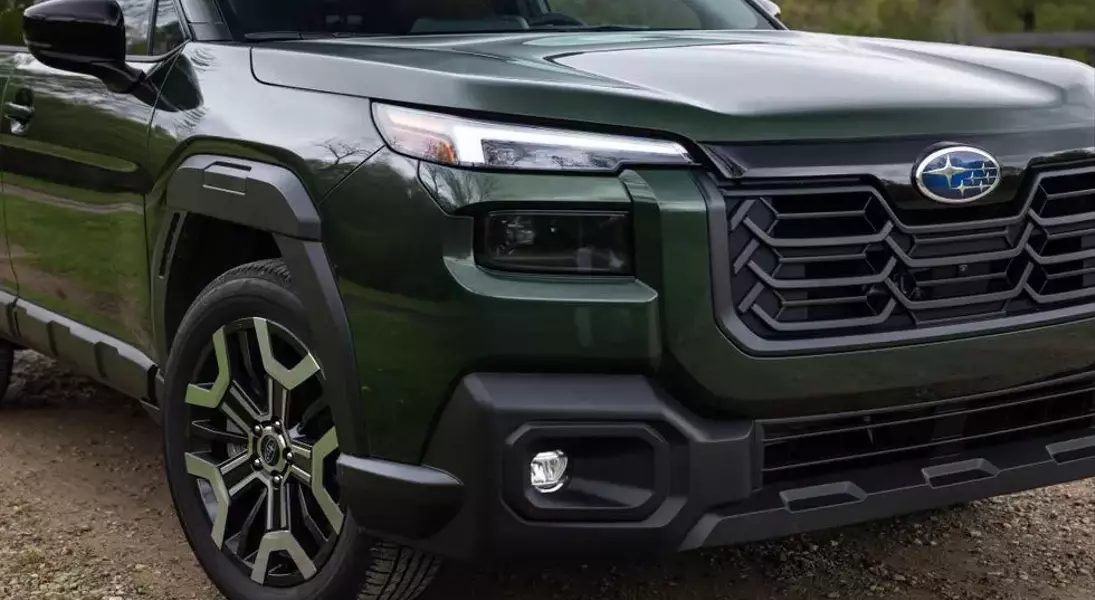
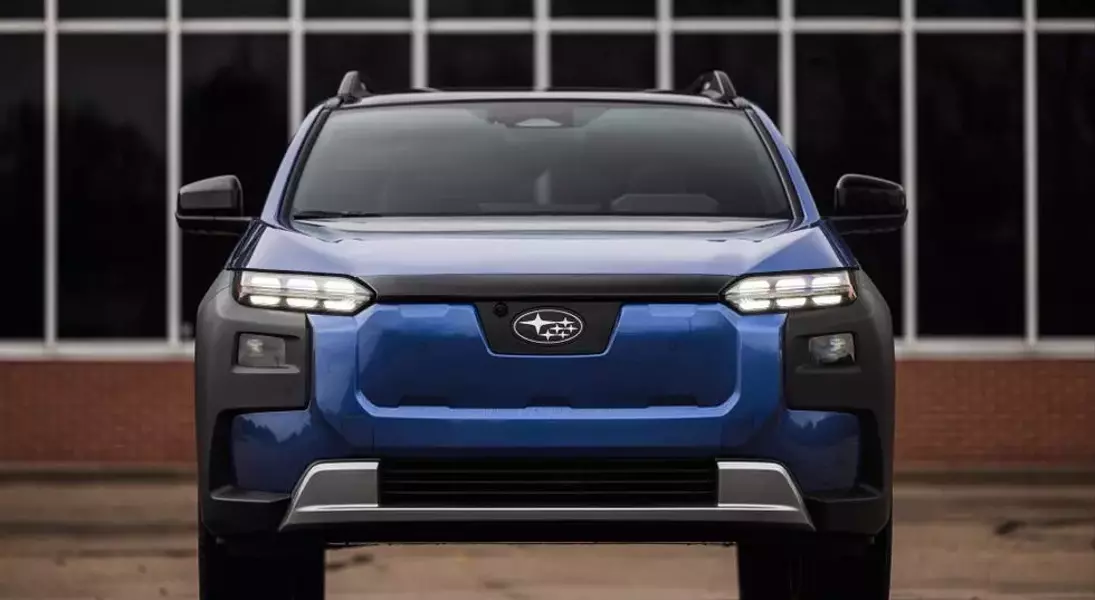
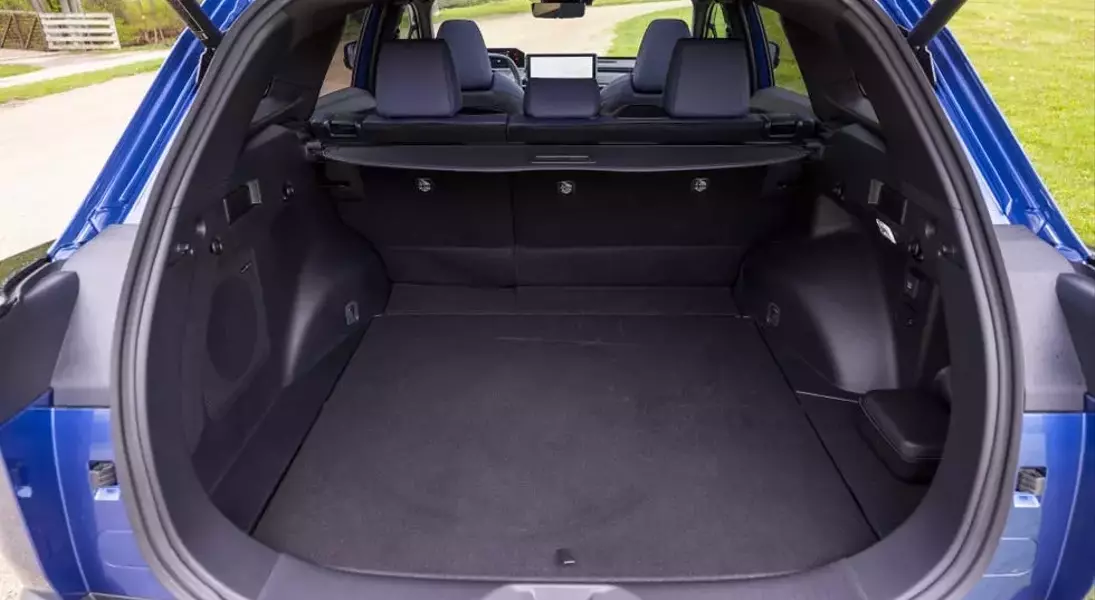
A surprising discovery shakes the author's perception: the new 2026 Trailseeker, an electric vehicle, showcases the very station wagon characteristics that have defined the Outback for decades. Concurrently, the 2026 Outback appears to have shed its traditional wagon design in favor of a more conventional SUV shape. This unexpected role reversal prompts a pivotal question about the future identity of Subaru's lineup and the fate of the classic Outback wagon.
Unraveling the Conundrum: Seeking Answers from the Community
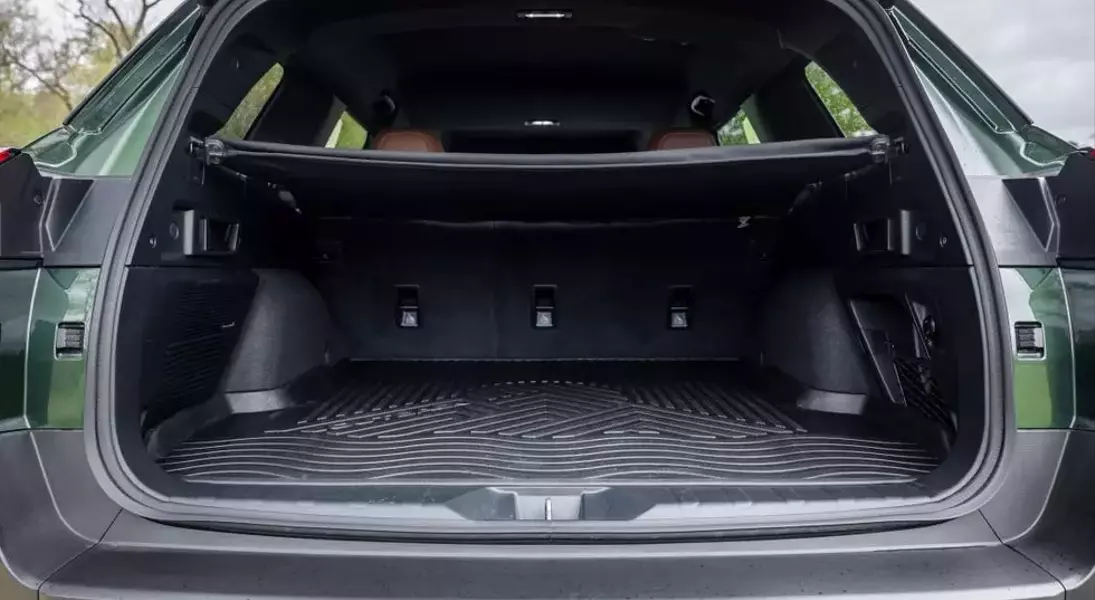
To understand the implications of these design changes, the author embarks on a quest, seeking insights from long-time Outback owners in their neighborhood. Presenting the new Outback and Trailseeker without their badges, the author observes initial reactions and perceptions. This informal survey reveals that for many, practicality, such as generous cargo space, outweighs adherence to a specific body style. However, some traditionalists express disappointment with the new Outback's altered appearance.
Comparing the Contenders: Features, Dimensions, and Interior Experiences
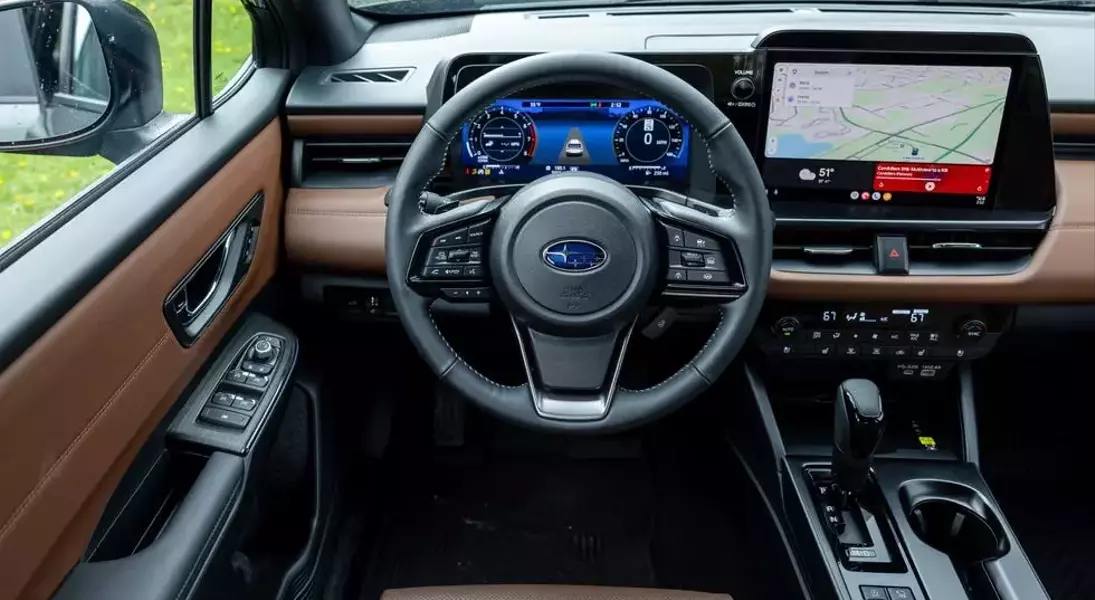
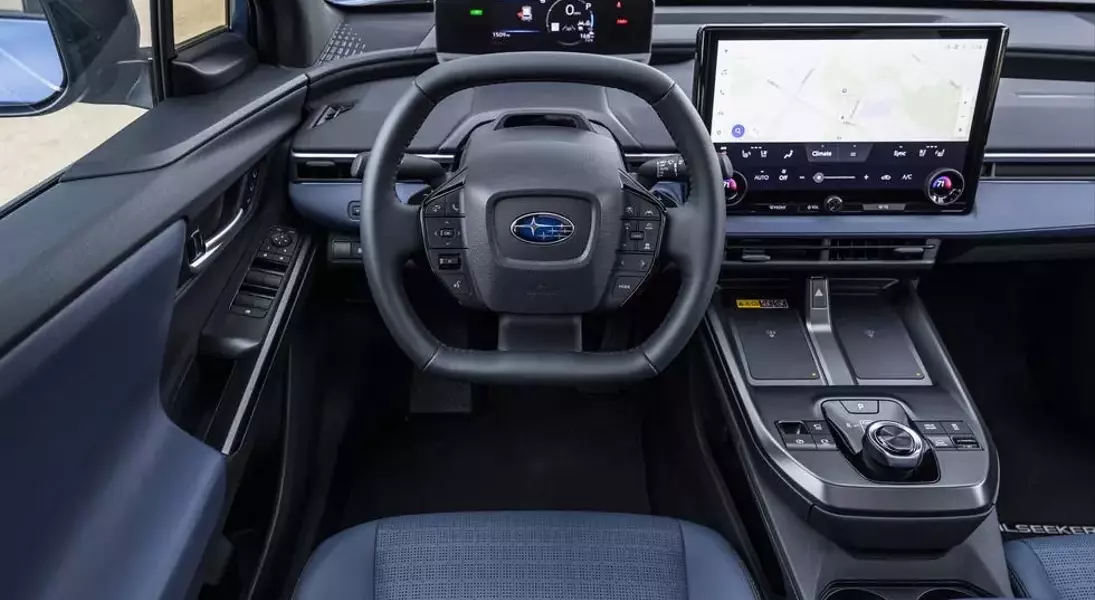
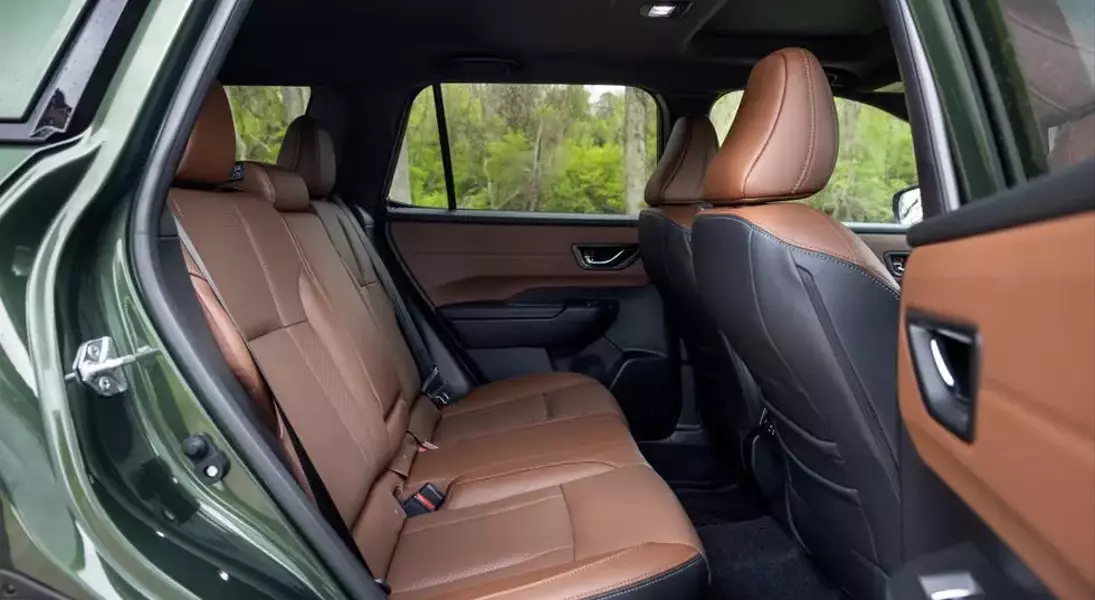
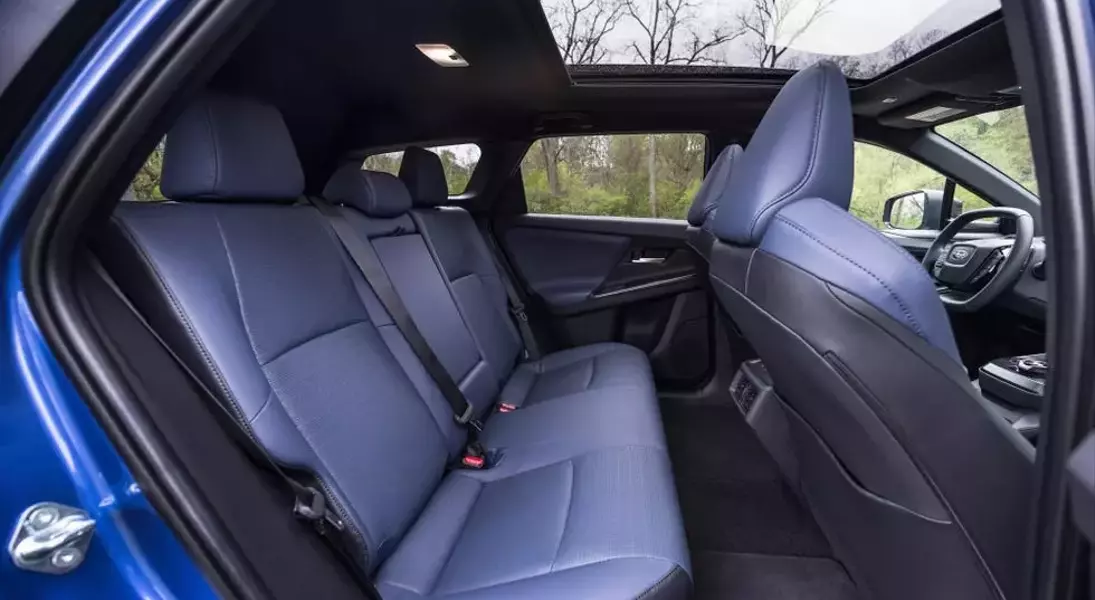
A detailed comparison of the 2026 Outback Touring XT and the Trailseeker Touring reveals remarkable similarities in features, pricing, and overall size. Both boast premium amenities, advanced safety technologies, and ample interior space. The Trailseeker offers superior rear legroom due to its longer wheelbase, while the Outback distinguishes itself with richer interior materials, including Nappa leather and refined finishes, offering a more luxurious cabin experience compared to the Trailseeker's Toyota-influenced interior.
On the Road Performance: Power, Handling, and the Electric Advantage
In terms of driving dynamics, both vehicles deliver competent but largely unexciting performance, prioritizing practicality over enthusiast appeal. However, a significant difference emerges in straight-line acceleration. The Trailseeker, with its powerful dual electric motors, demonstrates an impressive 3.9-second 0-60 mph time, significantly outperforming the Outback's turbocharged gasoline engine. Despite this, other performance metrics like skidpad grip and braking distances remain comparable.
The Dealer's Verdict: A New Era for Subaru's Customer Base
To gain a professional perspective, the author consults a seasoned Subaru dealer. The dealer emphatically states that the new, SUV-styled Outback will attract a different demographic, and loyal Outback wagon owners are unlikely to transition to it. Furthermore, he believes the electric Trailseeker, despite its wagon-like aesthetics, will appeal to yet another distinct customer segment. This expert opinion confirms the author's suspicion: the traditional Outback wagon's unique identity is being phased out, making way for new market strategies.
A Farewell to an Icon: Embracing Change in the Automotive World
The conclusion is clear: the beloved Subaru Outback station wagon, a staple for three decades, is evolving beyond its classic form. This shift signifies not just a change in design but a redefinition of its market positioning. The author reflects on this transformation, acknowledging the end of an era for the iconic wagon and musing on new automotive fascinations, perhaps even the Subaru Forester.
