A protracted class-action lawsuit targeting Subaru's EyeSight safety systems has finally drawn to a close, culminating in a settlement that provides limited relief to vehicle owners. Despite initial claims of widespread malfunctions, the resolution offers a partial warranty extension and specific repair reimbursements, with lead plaintiffs receiving a surprisingly modest sum, underscoring the complexities and sometimes disappointing outcomes of such legal battles.
Subaru EyeSight Lawsuit: A Minimal Victory for Owners
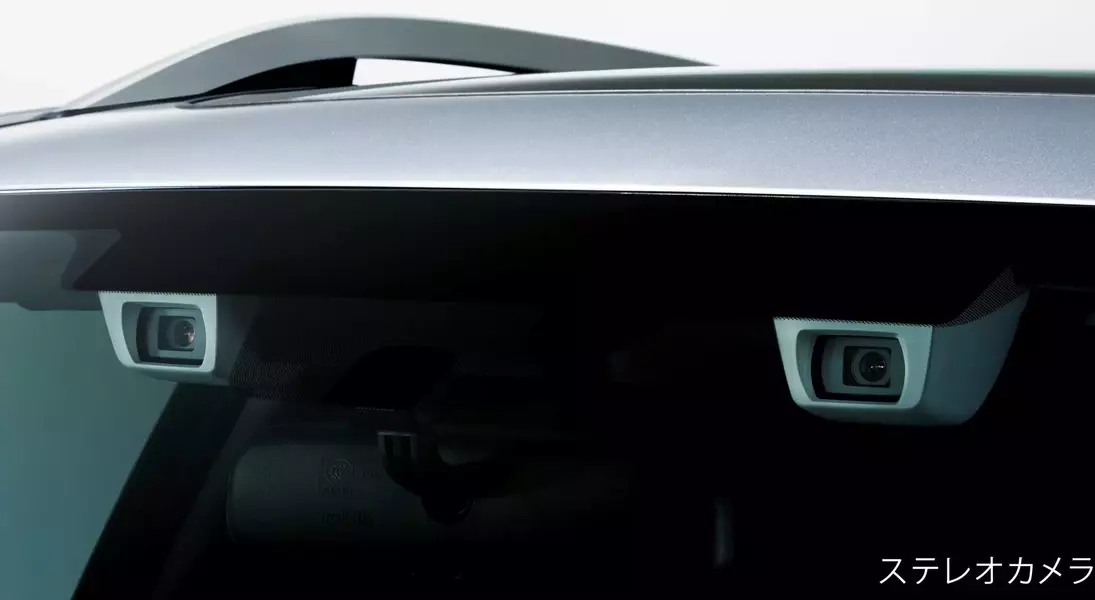
In May 2021, a class-action lawsuit was initiated against Subaru, alleging significant defects within its advanced EyeSight safety system. The legal complaint specifically cited issues with critical features such as Pre-Collision Braking, Rear Automatic Braking, and Lane Keep Assist across numerous Subaru models. The plaintiffs contended that these systems frequently failed to operate as intended, particularly the Pre-Collision Braking, and accused Subaru of withholding information about these problems to safeguard profits. After an arduous four-year legal contest, a settlement has finally been reached, although its terms have left many owners dissatisfied.
Subaru, for its part, continues to maintain that its vehicles are free from defects. The settlement, as detailed by Car Complaints, offers two primary forms of compensation. Firstly, an extended warranty for the EyeSight system is provided, covering 75% of repair costs for 48 months or 48,000 miles from the vehicle's original in-service date. Vehicles already exceeding these thresholds will receive a four-month warranty extension from the date of the class-action settlement notice. Secondly, affected owners are eligible for expense reimbursement for 'covered repairs,' defined as rectifying malfunctions in the Pre-Collision Braking, Rear Automatic Braking, or Lane Keep Assist features stemming from issues with the EyeSight camera assembly or rear sonar sensors, also within the 48-month or 48,000-mile limit.
The lawsuit encompassed a wide range of Subaru vehicles from various model years, including the 2013-2022 Legacy and Outback, 2015-2023 Impreza and Crosstrek, 2014-2021 Forester, 2019-2022 Ascent, 2016-2021 WRX, and the 2022-2024 BRZ. However, the most striking aspect of the settlement is the compensation for the lead plaintiffs: a mere $5,000 each. This outcome, following years of litigation, highlights the often-disproportionate effort versus reward in consumer class-action lawsuits.
This case serves as a poignant reminder of the challenges consumers face when confronting large corporations over product defects. While the settlement offers some degree of extended coverage, the nominal financial compensation for those who spearheaded the legal action may not adequately reflect the inconvenience, potential safety concerns, and legal expenses incurred. It prompts a broader discussion on the efficacy of class-action lawsuits in achieving substantial justice for individual claimants, particularly when the settlement terms appear heavily weighted in favor of the defendant, despite the public acknowledgment of system vulnerabilities through a warranty extension. The minimal payout to the plaintiffs could discourage future legal challenges, potentially leaving other aggrieved consumers without a viable path to meaningful redress.
