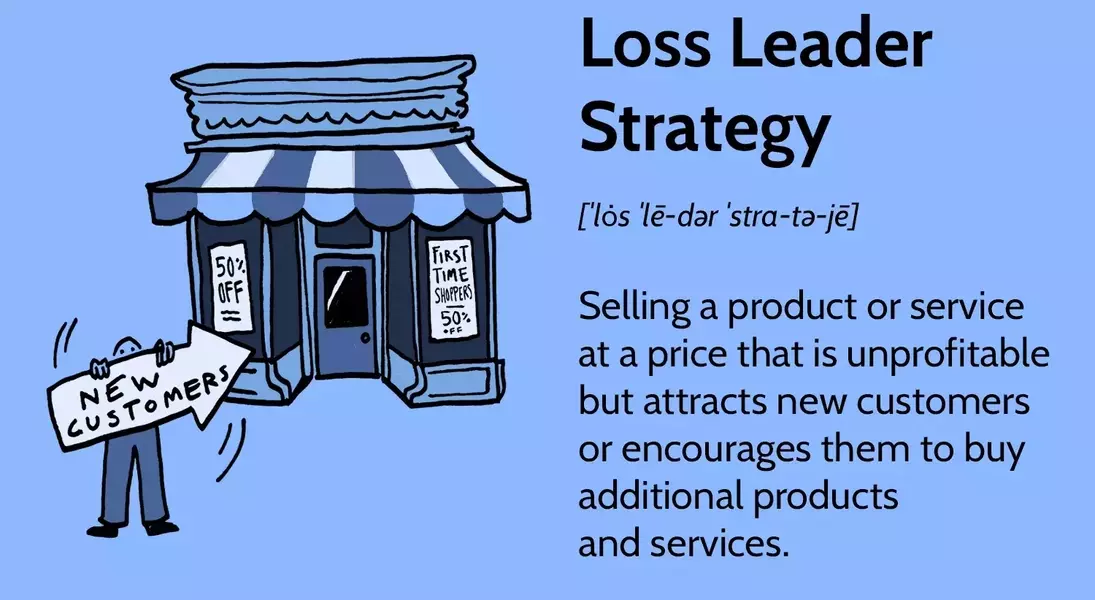
A loss leader strategy is a pricing tactic where a product is deliberately sold at a price below its cost. This method aims to draw in new customers and stimulate sales of other, more profitable goods or services offered by the business. This approach is widely adopted across various retail environments, from traditional physical stores to e-commerce platforms, serving as a powerful tool for market penetration and establishing a customer base.
This strategy operates on the principle of generating a customer influx through attractive low-priced items, with the hope that these customers will then proceed to purchase other products at regular or higher margins. Famous examples include razor companies offering their handles at minimal cost, knowing the recurring purchase of blades will ensure profitability, and video game console manufacturers selling hardware below cost to drive sales of high-margin games and subscription services. While effective for capturing market share and fostering brand loyalty, this approach is not without its pitfalls. Businesses risk customers only purchasing the loss leader items without making additional, profitable purchases, a behavior known as "cherry-picking." Furthermore, such aggressive pricing can be perceived as predatory, putting immense pressure on smaller competitors and leading to demands for lower prices from suppliers.
Businesses considering a loss leader strategy must carefully weigh its advantages against potential challenges. While it can be a potent tool for customer acquisition and market entry, maintaining profitability requires diligent management to ensure that the sales of complementary, higher-margin products compensate for initial losses. This balance is crucial for the long-term success and sustainability of the strategy.
Adopting a loss leader strategy, when executed thoughtfully, can be a testament to strategic foresight and adaptability in a competitive marketplace. It embodies the entrepreneurial spirit of taking calculated risks for greater rewards, fostering customer relationships, and continuously innovating business models to thrive and contribute positively to the economic landscape.
