



In the dynamic realm of professional football, clubs are increasingly refining their approaches to player transactions, particularly the intricate process of divesting their top talent. This strategic evolution isn't merely about offloading assets; it's a meticulously planned maneuver aimed at reinvestment and fostering long-term organizational growth. The contemporary transfer market, exemplified by Newcastle United's persistent efforts to acquire Hugo Ekitike, showcases a landscape where valuation, timing, and shrewd negotiation dictate outcomes. Moreover, the burgeoning financial influence of tournaments like the Club World Cup is reshaping team strategies, infusing substantial capital into participants and potentially altering continental power balances. This complex interplay of financial acumen and sporting ambition defines the modern football ecosystem.
The current transfer window provides ample illustrations of this nuanced approach to player management. Consider the scenario where a club's star player outgrows their current environment, driven by higher ambitions. Instead of resisting the inevitable, forward-thinking recruitment departments engage in proactive planning. This involves anticipating potential offers for key players and simultaneously identifying suitable replacements. For instance, when Bournemouth parted ways with Dominic Solanke, they had already set their sights on Justin Kluivert and Antoine Semenyo, demonstrating a clear succession strategy. This foresight allows clubs to transform a potentially disruptive departure into an opportunity for strategic renewal, ensuring continuity and even enhancement of squad quality.
The concept of a 'selling club,' once perceived negatively, is now viewed through a more pragmatic lens. Teams like Brighton & Hove Albion consistently exemplify how effective player sales, coupled with astute reinvestment, can lead to sustainable success. The key lies in setting a high but realistic price and operating on one's own terms, rather than being forced into a sale. This proactive stance contrasts sharply with situations where clubs are caught off guard, as seen with Nottingham Forest's predicament regarding Morgan Gibbs-White's release clause. By embracing a forward-looking perspective and integrating player sales into their broader operational model, clubs can leverage these transactions to their advantage, continually building and improving their rosters.
The pursuit of Hugo Ekitike by Newcastle United epitomizes the shifting valuations and intense competition in the transfer market. After missing out on the forward in 2022 due to a significantly lower valuation, Newcastle is now reportedly prepared to break their transfer record, offering a substantial sum for the highly-rated 23-year-old. This dramatic increase in his perceived worth underscores the rapid inflation within the football economy. While such a high-profile acquisition could raise questions about the future of existing key players like Alexander Isak, reports suggest Newcastle intends to retain their core talent, signaling ambitious plans for squad reinforcement. This move highlights the strategic imperative for clubs to secure top talent, even at escalating costs, to remain competitive in elite football.
Beyond the high-stakes transfers, the football world is abuzz with other notable movements and compelling narratives. For example, American internationals Josh Sargent and Johnny Cardoso are reportedly on the cusp of new adventures, with Sargent targeted by Wolfsburg and Cardoso nearing a switch to Atletico Madrid. Barcelona’s recent acquisition of promising winger Roony Bardghji signifies a continued focus on nurturing young talent, while Real Madrid's substantial investment in defensive reinforcements, including Alvaro Carreras, indicates a strategic strengthening of their backline. Meanwhile, veteran Luka Modric's move to AC Milan extends his illustrious career past his 40th birthday, showcasing enduring passion for the sport. These diverse narratives illustrate the multifaceted nature of the transfer market and the constant evolution of team compositions.
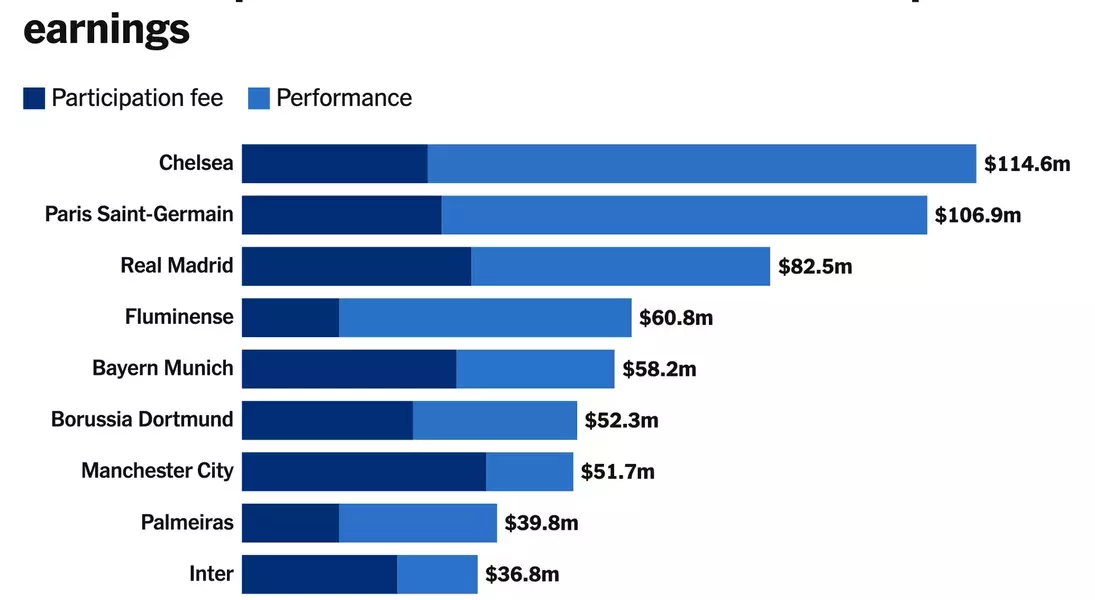
The financial implications of international tournaments are also gaining prominence, as demonstrated by the Club World Cup. The significant prize money, particularly the £270 million distributed among the four semi-finalists, underscores the tournament's growing economic clout. Chelsea's Levi Colwill even suggested the Club World Cup could one day rival the Champions League in prestige, a sentiment likely influenced by the substantial financial rewards. This influx of capital, especially into South American clubs like Fluminense, has profound consequences, potentially solidifying the dominance of specific regions, such as Brazil, in continental competitions. Such developments highlight how newly structured tournaments are reshaping global football's financial and competitive landscapes.
The world of football constantly presents intriguing stories beyond the transfer market. One such remarkable tale is that of England's first-choice goalkeeper, Hannah Hampton, who defies a profound lack of depth perception to excel at the highest level of her sport. Despite facing a significant visual challenge that impacts everyday tasks, Hampton has achieved elite status, even in a position where precise spatial judgment is paramount. Her journey serves as a powerful testament to resilience and unwavering determination, offering an inspiring perspective on overcoming formidable obstacles within professional sports. Such personal narratives enrich the broader football discourse, highlighting the human element amidst the intense competition and commercial pressures of the beautiful game.
