

The notion of a 'second-year stumble' or a 'difficult follow-up project' often applies to creative endeavors, especially in the music and television industries. After an initial triumph, sustaining the same level of innovation and public fascination can be daunting. Numerous acclaimed television programs have faltered in their sophomore seasons, failing to replicate the initial spark that captivated audiences. This challenge often arises because the creative process shifts from solitary, unpressured development to a high-stakes environment where expectations for even greater success loom large.
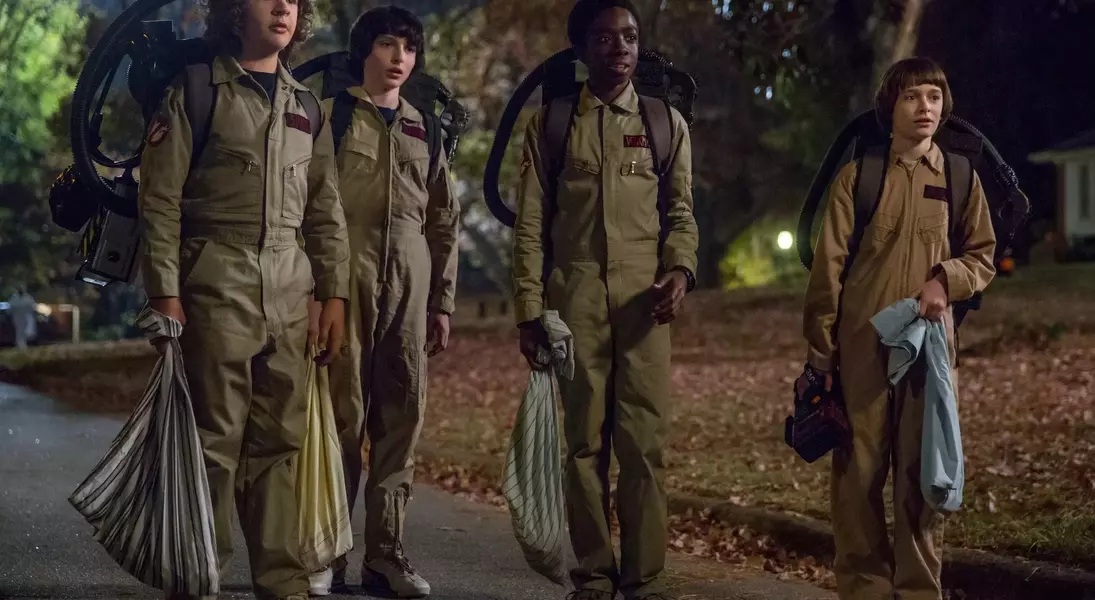
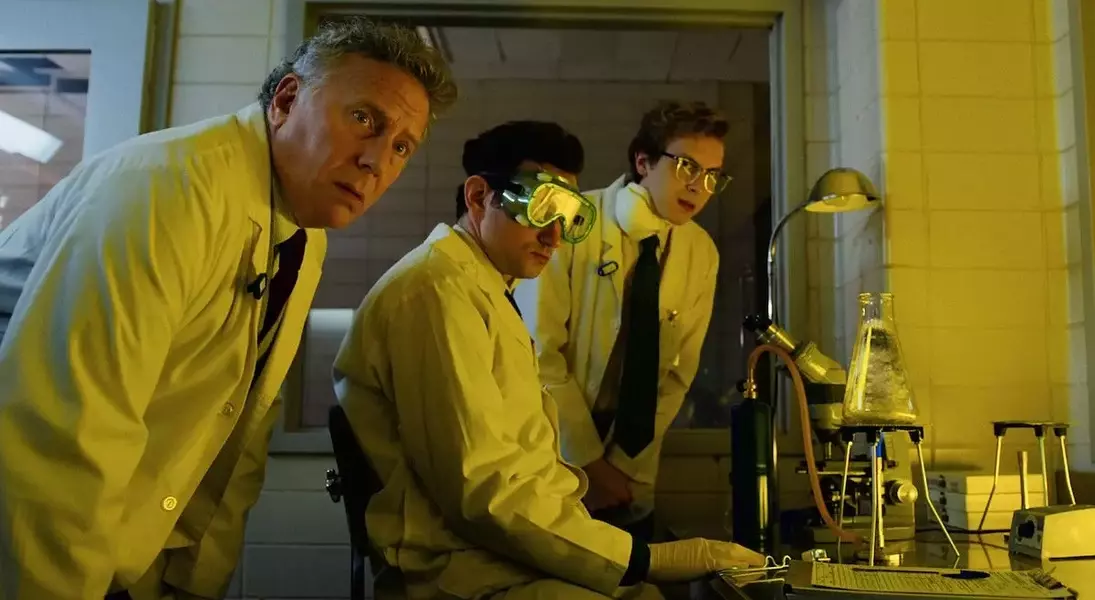
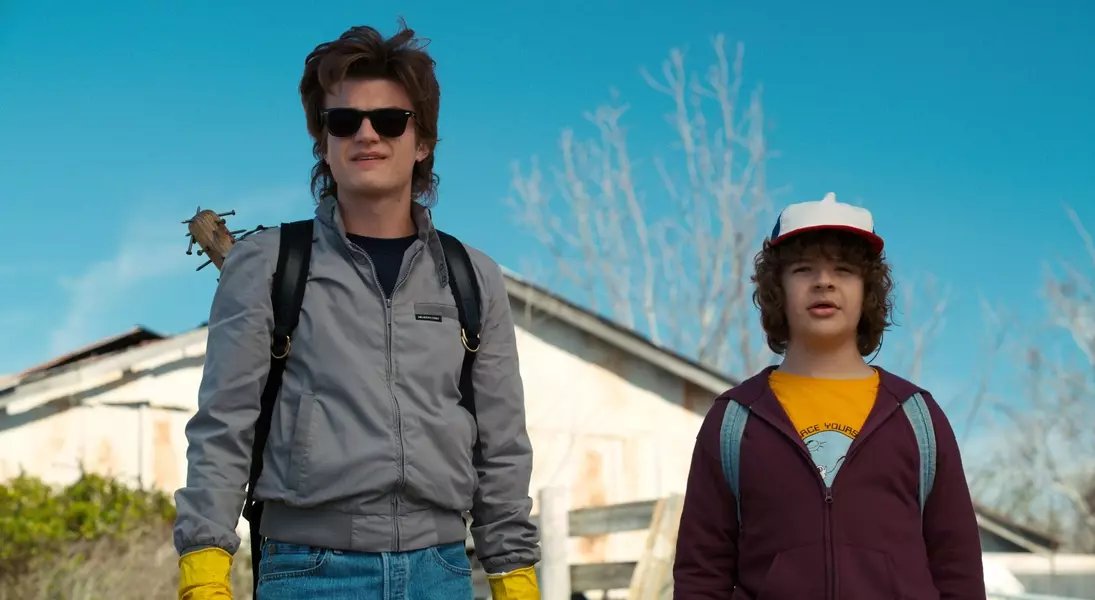
Amidst such precedents, the second season of "Stranger Things" faced considerable anticipation regarding its ability to maintain the phenomenal success of its debut. Remarkably, the show's creators, the Duffer brothers, delivered a deeply satisfying continuation. While perhaps not reaching the exact narrative pinnacle of its predecessor, the season excelled through profound character enrichment and the introduction of memorable new personalities. The narrative picks up a year after the first season's intense conclusion, with Will Byers struggling to integrate back into normal life, plagued by unsettling visions connected to the emergent Mindflayer. Concurrently, Mike grapples with the perceived loss of Eleven, who is secretly safeguarded by Hopper. The dynamic among the core group is further complicated by the arrival of Max, whose unique personality injects fresh energy and completes their circle, while other new characters like Billy, Bob, Paul Reiser's ambiguous scientist, Brett Gelman's conspiracy enthusiast, and Erica significantly enhance the ensemble.
However, what initially served as strengths in the second season—particularly the successful integration of numerous new characters and the episodic separation and triumphant reunion of the main group—later became recurring motifs that, in subsequent seasons, contributed to a sense of narrative overload and predictability. While individual new additions in later seasons, such as Robin and Eddie, were commendable, the sheer volume of new faces began to dilute the core narrative. Similarly, the pattern of characters dispersing and then reconvening, though effective in season two, grew formulaic, inadvertently diminishing the intimate camaraderie that defined the early seasons. Reflecting on the series' journey, it becomes evident that the very elements that forged season two's excellence paradoxically foreshadowed some of the later seasons' struggles, casting a bittersweet light on an otherwise brilliant installment.
"Stranger Things" season two masterfully navigated the inherent pressures of a follow-up, demonstrating how compelling character arcs and thoughtful expansions of its world can enrich a beloved story. Its enduring appeal lies not just in its thrilling plotlines but in the genuine connections forged among its characters and with its audience. This season stands as a testament to creative resilience, proving that with genuine development and heartfelt storytelling, even the most daunting expectations can be met, fostering continued engagement and a lasting legacy that resonates beyond its initial impact.
