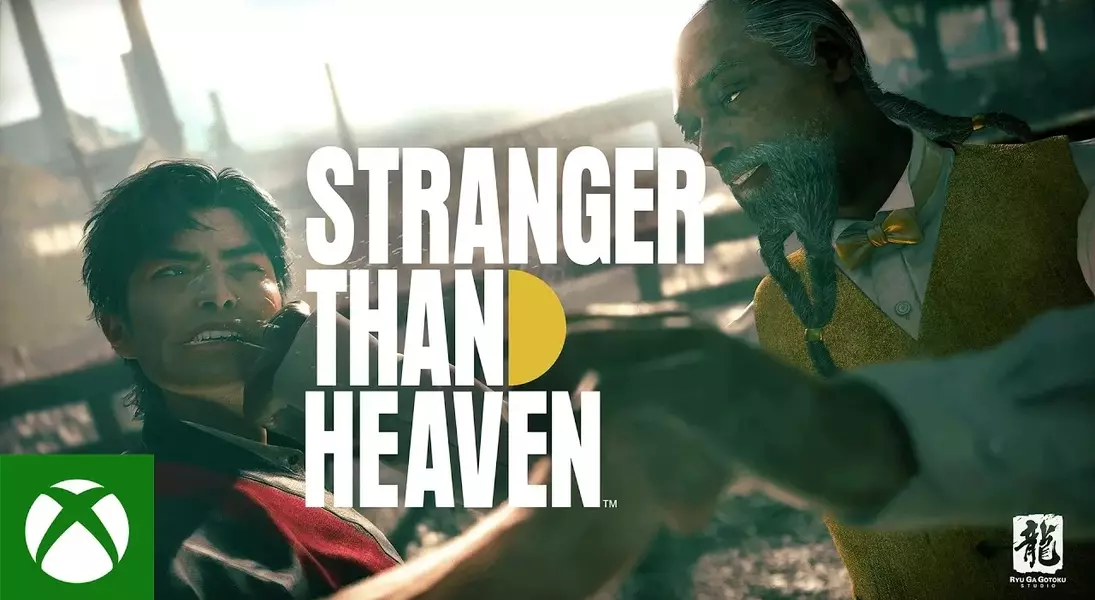
Ryu Ga Gotoku Studio, known for its intricate narratives and compelling characters, is once again expanding its universe with an ambitious new project. This latest endeavor promises to transport players through time, offering a unique blend of historical settings and intense action, deeply rooted in the spirit of its acclaimed predecessors yet forging its own distinct path.
Unveiling a Neo-Noir Epic: Travel Through Time with the Yakuza Universe
The Genesis of a New Chapter: From Project Century to Stranger than Heaven
The latest creation from Ryu Ga Gotoku Studio made its grand debut at the recent Xbox Partner Preview event. This highly anticipated title, previously known as Project Century, had initially piqued interest for its perceived detachment from the established Yakuza/Like a Dragon saga. Many observers, including myself, had hoped for a completely fresh IP, a direction the studio had not largely pursued since the release of Fist of the North Star. However, the revelation brought a surprising twist, firmly linking this new experience back to the iconic world of Yakuza.
A Familiar Canvas with a Historic Brush: Kamarocho's Early Years
Despite earlier assumptions, Stranger than Heaven is undeniably intertwined with the Yakuza universe, promising a return to the legendary district of Kamarocho. The recently unveiled trailer emphatically confirms this, showcasing a rendition of Kamarocho from the 1960s. This historical setting offers a captivating opportunity to witness the iconic locale in a completely new light, centuries before its portrayals in previous games, which typically commenced in the late 1980s. Exploring a fictionalized Kabukichō from such an early period is an exciting prospect for long-time fans.
Journey Through Eras and Landscapes: Spanning Half a Century
The trailer further clarifies that the narrative of Stranger than Heaven will unfold across five distinct periods and within five different cities. Among these, Ryu Ga Gotoku's rendition of Osaka is also confirmed to reappear. The specified years—1915, 1929, 1943, 1951, and 1965—suggest a meticulously crafted historical backdrop. While the trailer hints at the return of RGG's signature close-quarters combat, the specifics of its mechanics in this new context remain to be fully detailed.
A Distinctive Tone: Diverging from Recent Zany Adventures
Stranger than Heaven adopts a noticeably different thematic approach compared to the more recent installments in the Like a Dragon series. It steers away from the whimsical and often over-the-top antics seen in the Ichiban Kasuga adventures or Goro Majima's recent piratical exploits. At this juncture, there's no indication of returning characters, which aligns with its ambitious historical timeline. Nevertheless, the series has previously demonstrated its ability to weave familiar faces into historical spin-offs, as evidenced by Kiryu's appearance in a 19th-century setting.
Visual Grandeur and Uncharted Territories: A Treat for Long-Time Fans
Visually, the game is absolutely breathtaking. The chosen time periods open up vast possibilities for fresh exploration, a welcome change for players who might have grown accustomed to traversing the same urban landscapes across the twelve previous Yakuza titles. An in-depth presentation providing more details about this exciting project is scheduled for May 6th, promising to shed further light on what could be a groundbreaking addition to the Ryu Ga Gotoku legacy.
