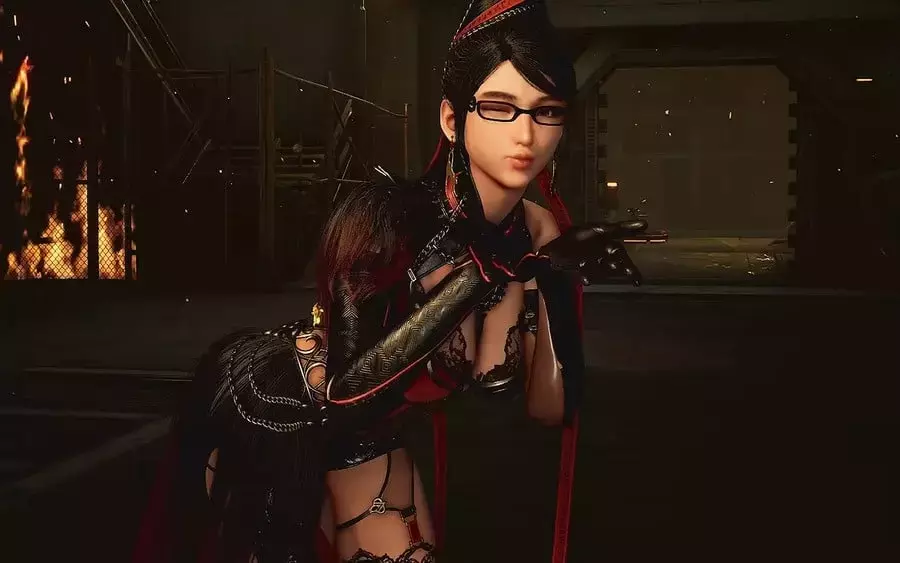
The director of the acclaimed title, Stellar Blade, Kim Hyung-tae, recently shared his profound appreciation for the Bayonetta series, openly admitting it played a crucial role in shaping his creative vision, especially for the heroine of his own game, Eve. This revelation emerged during a candid discussion where he also hinted at a strong desire to participate in the development of future Bayonetta installments, even lightheartedly suggesting a relocation to Japan for such an opportunity.
Stellar Blade Director's Passion Ignites Potential Bayonetta Collaboration
In a recent discussion, Kim Hyung-tae, the visionary behind Stellar Blade, expressed his profound admiration for the Bayonetta franchise, a series he considers a cornerstone of his creative inspiration. He openly credited Bayonetta for influencing the development of Eve, the protagonist of Stellar Blade, highlighting its impact on character design and overall artistic direction. This revelation follows the announcement of a compelling crossover event where Eve will don costumes inspired by the iconic Umbra Witch.
During an interview featured in Famitsu, Kim Hyung-tae playfully extended an offer to PlatinumGames' CEO, Atsushi Inaba, expressing his fervent wish to join the team for a future Bayonetta project. His humorous remark, “If PlatinumGames would make a desk for me, I'd come every day,” underscored his genuine enthusiasm for the series. While his CBO from Shift Up reportedly cast a "stern look," Inaba responded positively, acknowledging Kim's potential valuable contributions to the franchise. PlatinumGames has also voiced its approval of the meticulous and faithful portrayal of Bayonetta within the Stellar Blade collaboration, with Inaba noting that Kim's costume design masterfully balances the essence of Bayonetta with the distinct style of Stellar Blade. Both parties have signaled an openness to exploring further collaborative ventures, hinting at exciting possibilities for the future of both game universes.
This intriguing dialogue between two prominent figures in the gaming world sparks contemplation about the future of creative partnerships in the industry. It underscores the profound influence that one game can have on another, transcending competitive boundaries to foster a spirit of mutual appreciation and potential collaboration. Such openness to cross-pollination of ideas and talent could lead to innovative gameplay experiences and richer narratives, benefiting both existing fan bases and attracting new audiences. It challenges us to consider how similar collaborations across different creative fields could break new ground and push the boundaries of artistic expression.
