Stellantis is undertaking a significant strategic shift, repositioning Lancia and DS Automobiles as specialized brands within its extensive portfolio. This decision underscores the conglomerate's commitment to maintaining all 14 of its automotive marques, a promise initially made by former CEO Carlos Tavares and reiterated by his successor, Antonio Filosa. The move aims to define clearer roles for each brand, focusing on niche market segments rather than broad appeal.
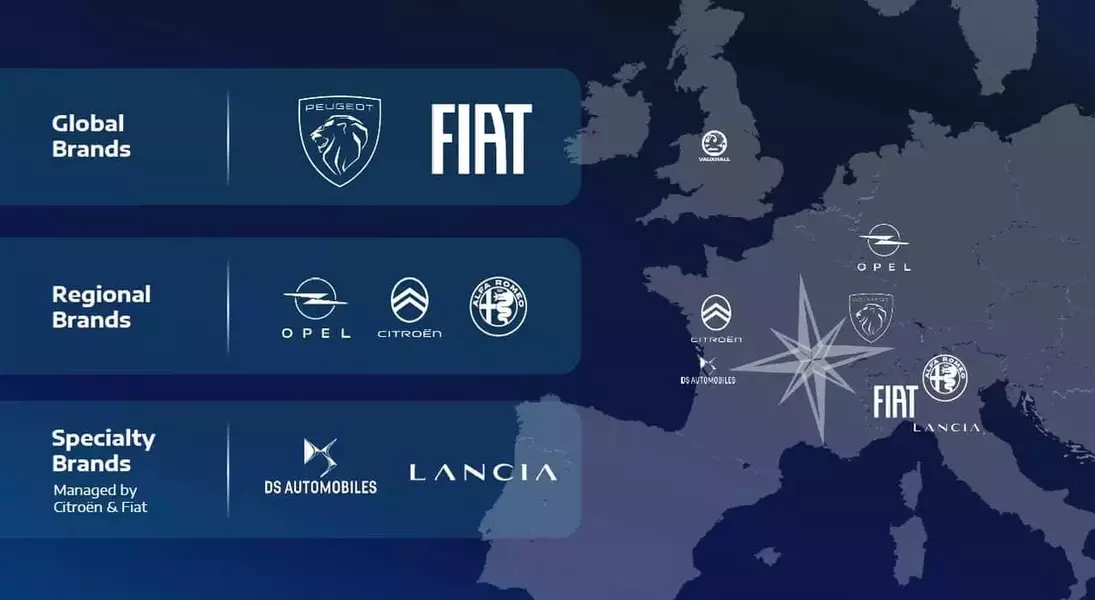
Under the new "FaSTLAne 2030" strategy, Fiat will assume management responsibilities for Lancia, while Citroën will take charge of DS Automobiles. This restructuring comes after persistent rumors regarding the potential divestment or closure of some brands, including Maserati, which ultimately proved unfounded. The plan emphasizes optimizing the existing brand ecosystem by assigning specific oversight to established divisions.
While the detailed product roadmap for Lancia and DS Automobiles under this new strategy remains undisclosed, it is anticipated that both brands will focus on developing upscale variants of models from their parent companies, Fiat and Citroën, respectively. This approach suggests a more refined, premium offering built upon existing platforms, rather than entirely bespoke vehicles, which would be less viable for niche brands with lower production volumes.
Despite their repositioning as specialty brands, Lancia and DS Automobiles will maintain their distinct identities within Stellantis. This differentiation highlights the group's intention to leverage their unique heritage and design philosophies to cater to specific consumer tastes. The "specialty" designation implies a focus on exclusivity and targeted appeal, rather than mass-market sales.
Recent sales figures reveal the challenges faced by both brands. In 2025, Lancia, grouped with Chrysler, experienced a significant 64% decline in registrations in Europe, totaling 11,754 units. However, the first quarter of 2026 showed a positive turnaround, with registrations increasing by 15.5% to 4,072 units. DS Automobiles also saw a downturn, with a 22.5% decrease in registrations in 2025 to 29,042 vehicles, and a further 17.1% drop to 6,771 units in the first quarter of 2026.
The FaSTLAne 2030 strategy, covering the period from 2026 to 2030, ensures the continued operation of Lancia and DS Automobiles as independent entities. Fiat has been elevated to one of Stellantis's four global brands, alongside Peugeot, Jeep, and Ram, while Citroën remains a regional brand alongside Opel/Vauxhall, Alfa Romeo, Dodge, and Chrysler. This hierarchical structure aims to streamline operations and enhance strategic focus across the entire Stellantis group.
This strategic move by Stellantis to redefine Lancia and DS Automobiles as specialty brands, rather than merging or discontinuing them, reflects a nuanced approach to brand management. By integrating them under the oversight of stronger, more established brands like Fiat and Citroën, Stellantis aims to preserve their unique market presence while potentially improving their long-term viability. The success of this strategy will depend on how effectively these brands can carve out their niche and attract discerning buyers, especially given the fierce competition in the automotive market.
