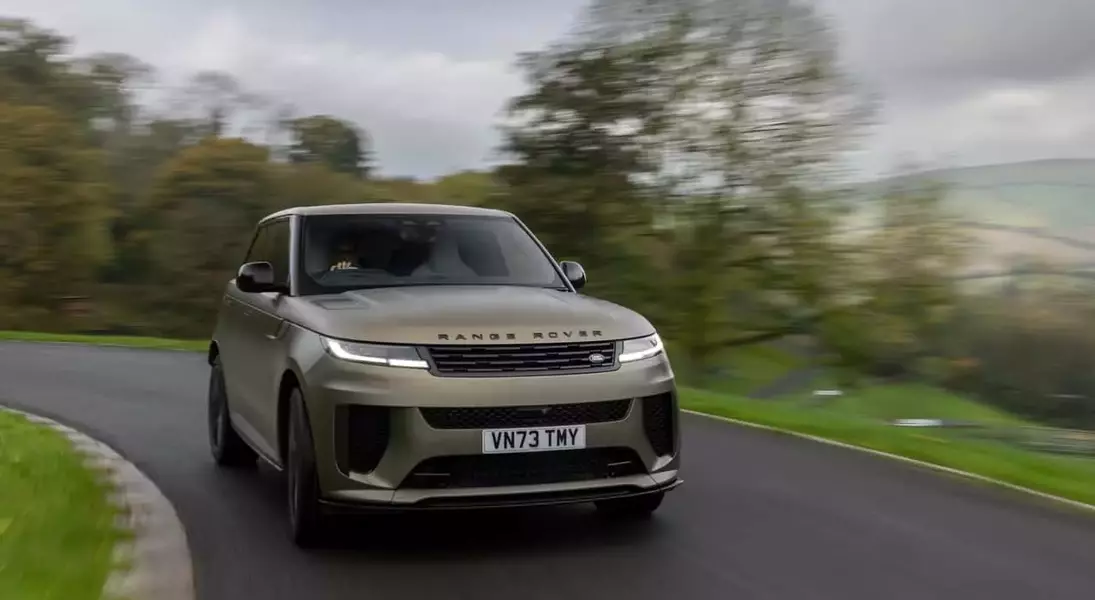
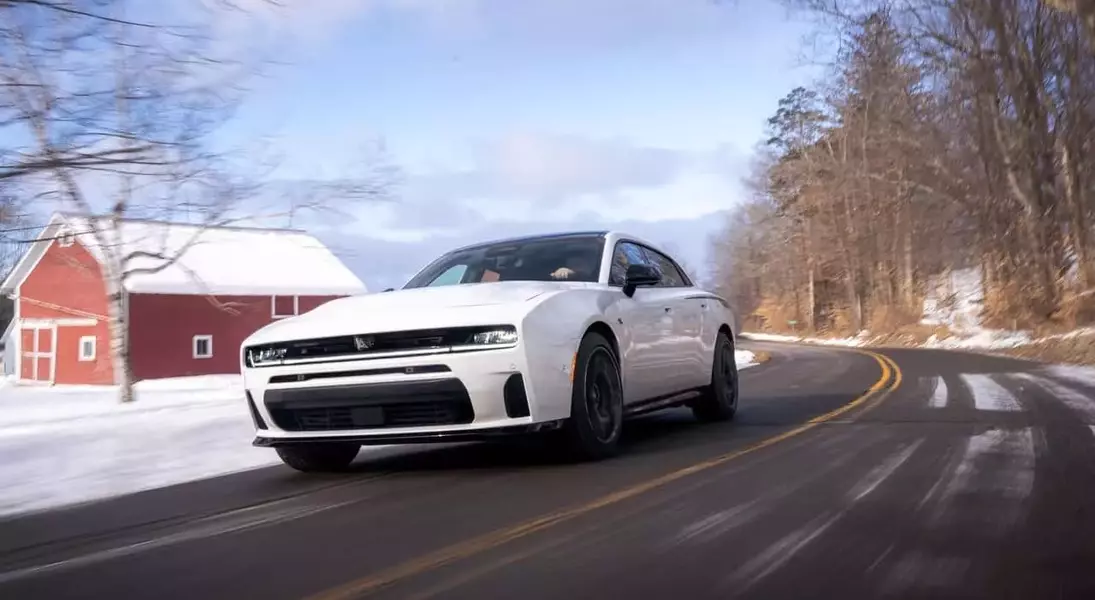
Stellantis and Jaguar Land Rover (JLR) have initiated an unforeseen partnership by signing a non-binding Memorandum of Understanding. This strategic alliance focuses on exploring collaborative avenues for product and technology development specifically within the United States. The agreement, announced by Stellantis, seeks to identify and capitalize on synergies between the two automotive giants, which could encompass sharing vehicle platforms, advanced technologies, or even optimizing production facilities. This move is particularly timely given the current dynamic shifts within the global automotive sector, where efficiency and strategic alliances are becoming increasingly crucial. For JLR, which currently has no manufacturing presence in the U.S., this collaboration could be a pivotal step in mitigating the impact of tariffs and expanding its footprint in its largest market.
The collaboration also aligns with Stellantis's broader strategy, as hinted by CEO Antonio Filosa, to streamline operations and enhance offerings for consumers. This initiative could prove beneficial for both companies, allowing them to pool resources and expertise to develop innovative products while navigating economic pressures and market demands. The memorandum signals a proactive approach to industry challenges, including the high costs associated with underutilized factories and the need for adaptable product development strategies. This partnership exemplifies how traditional competitors are finding common ground to secure future growth and maintain relevance in a rapidly changing automotive landscape, echoing the spirit of collaboration that has historically shaped the industry.
Strategic Alliance in Product and Technology Development
Stellantis and Jaguar Land Rover have formally agreed to investigate potential collaborative ventures in product and technology development within the U.S. market. This significant step, detailed in a non-binding Memorandum of Understanding, underscores both companies' commitment to enhancing their offerings and operational efficiencies. While specific details of the collaboration remain under wraps, the focus is on discovering "synergies" that could lead to mutual benefits. This could manifest in various forms, such as jointly developed vehicle architectures, shared powertrain technologies, or even cooperative manufacturing efforts. The partnership is a strategic response to the evolving demands of the automotive industry, where shared innovation and resource optimization are key to sustained success and market penetration. It reflects a forward-thinking approach to navigate the complexities of global automotive manufacturing and market dynamics.
The rationale behind this unexpected partnership is multifaceted, driven by factors like the financial implications of tariffs and the optimization of manufacturing capacity. JLR, facing substantial tariff costs due to its lack of U.S. production, stands to gain significantly from potential domestic manufacturing opportunities through Stellantis's underutilized facilities. Conversely, Stellantis, which previously contended with costly under-capacity operations, could leverage this alliance to increase plant utilization and efficiency. This collaboration is set to be a key topic at Stellantis's upcoming Investor Day, where CEO Antonio Filosa is expected to outline a vision emphasizing strategic partnerships and a focused investment on core brands like Jeep, Ram, Peugeot, and Fiat. This synergistic approach aims to deliver compelling products and experiences to customers while bolstering the market positions of both automotive groups in a competitive global arena.
Potential Impacts and Market Dynamics
The collaboration between Stellantis and JLR holds significant implications for both companies, particularly in addressing market challenges such as tariffs and manufacturing efficiency. JLR's current situation, wherein it incurs substantial tariff expenses due to the absence of U.S. production, makes a partnership with a U.S.-based manufacturer highly advantageous. By potentially producing JLR vehicles within Stellantis's existing U.S. facilities, both companies could alleviate financial burdens and enhance market competitiveness. This strategic alignment reflects a growing trend in the automotive industry where manufacturers are forming alliances to optimize resources, reduce costs, and accelerate product development in response to rapid technological advancements and shifting consumer preferences. The agreement also arrives as Stellantis is poised to outline a refined strategy, focusing on key brands and the importance of external collaborations.
This partnership is poised to unlock new avenues for growth and innovation for both Stellantis and JLR. Stellantis CEO Antonio Filosa envisions the collaboration yielding "meaningful benefits," while JLR's head, PB Balaji, emphasizes exploring "complementary capabilities in product and technology." This aligns with JLR's ambitious long-term growth objectives for the U.S., which has recently become its primary market. The timing of this announcement, just before Stellantis's Investor Day, suggests it's a critical component of the company's future vision, potentially involving a deeper focus on a select number of core brands. Such alliances, as seen with Stellantis's joint venture with Dongfeng for electric vehicle production in Europe, highlight a broader industry shift towards collaborative models to meet the demands of an evolving market and adapt to new regulatory landscapes and consumer needs.
