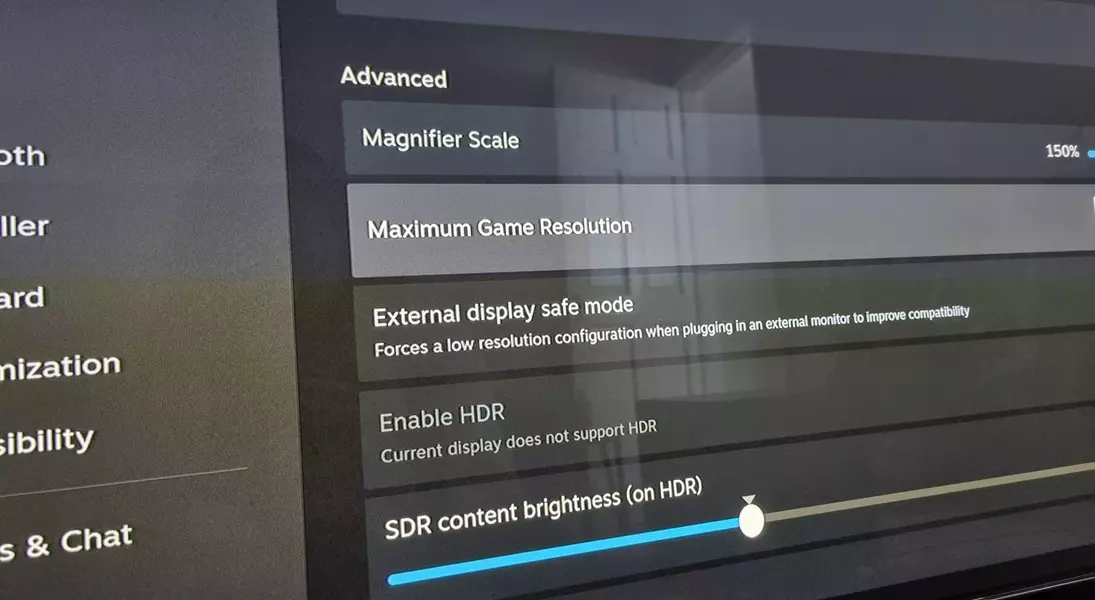

Valve's venture into living room PC gaming with the Steam Machine presents a compelling concept, yet it grapples with a formidable price tag and underperforming hardware. The device, despite its aesthetic appeal and the streamlined SteamOS environment, struggles to justify its cost when pitted against conventional gaming PCs that offer superior performance for a comparable investment. Benchmarking across various demanding titles highlights a significant disparity, particularly at higher resolutions like 1440p and 4K, where the Steam Machine necessitates considerable compromises in graphical settings and relies heavily on upscaling technologies to achieve playable frame rates. The user experience is further hampered by an often convoluted setup process and puzzling software defaults, such as an initial 1080p resolution on 4K displays, undermining its promise of seamless couch gaming. Ultimately, the Steam Machine feels like an intriguing but expensive curiosity, rather than a breakthrough device for the general gaming populace.
Design and Core Specifications: A Compact Vision
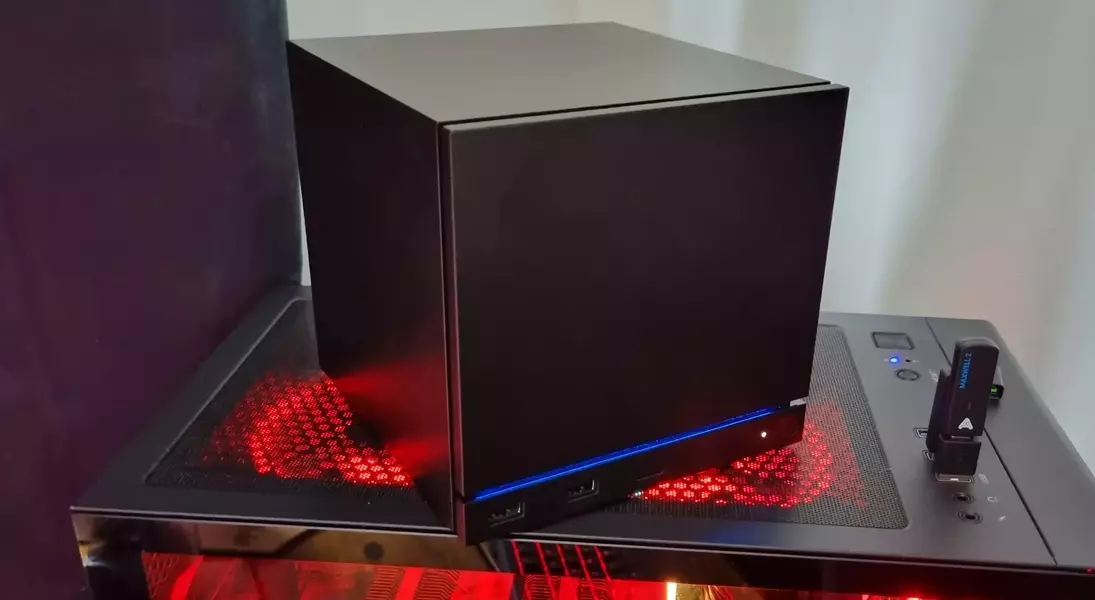
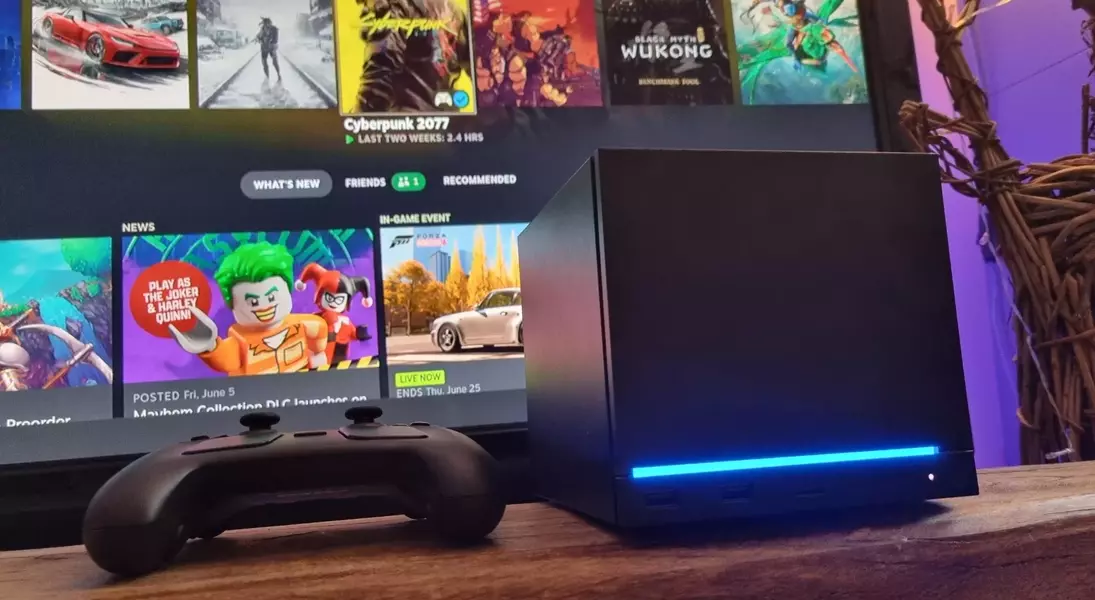
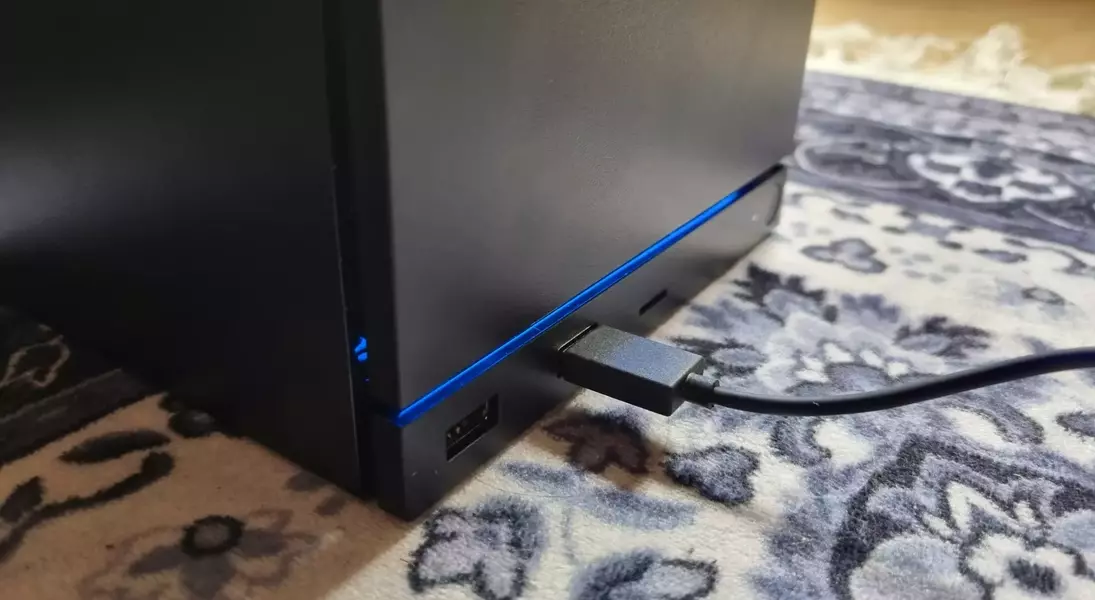
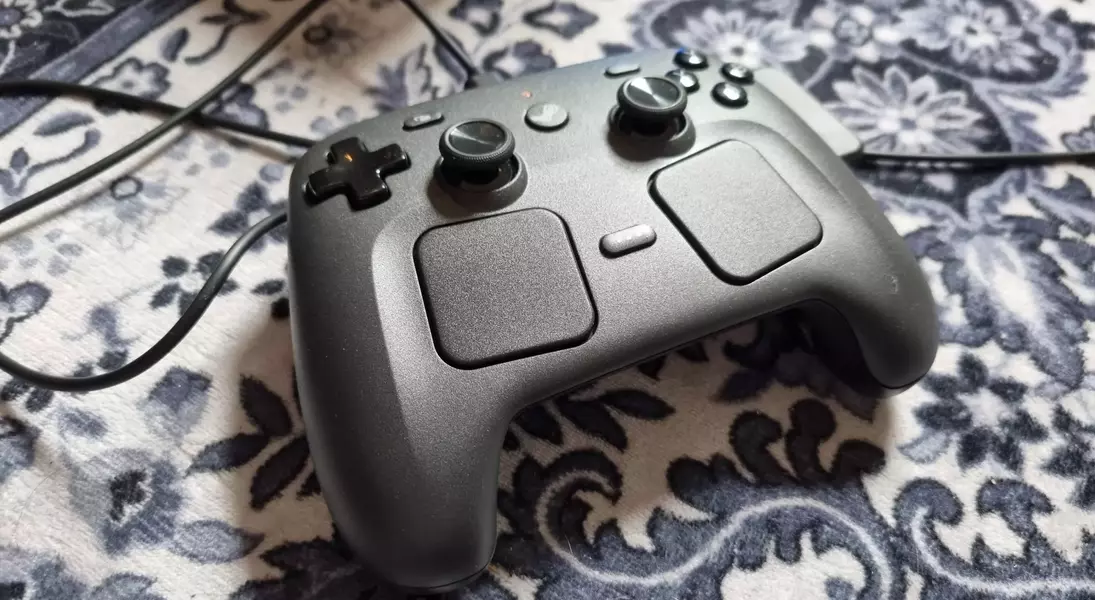
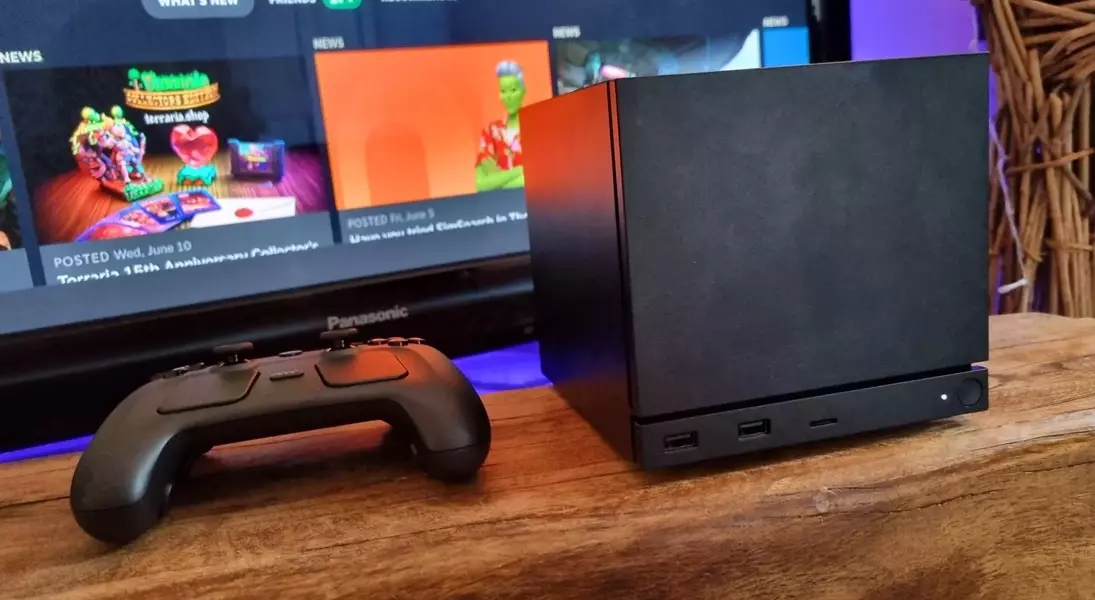
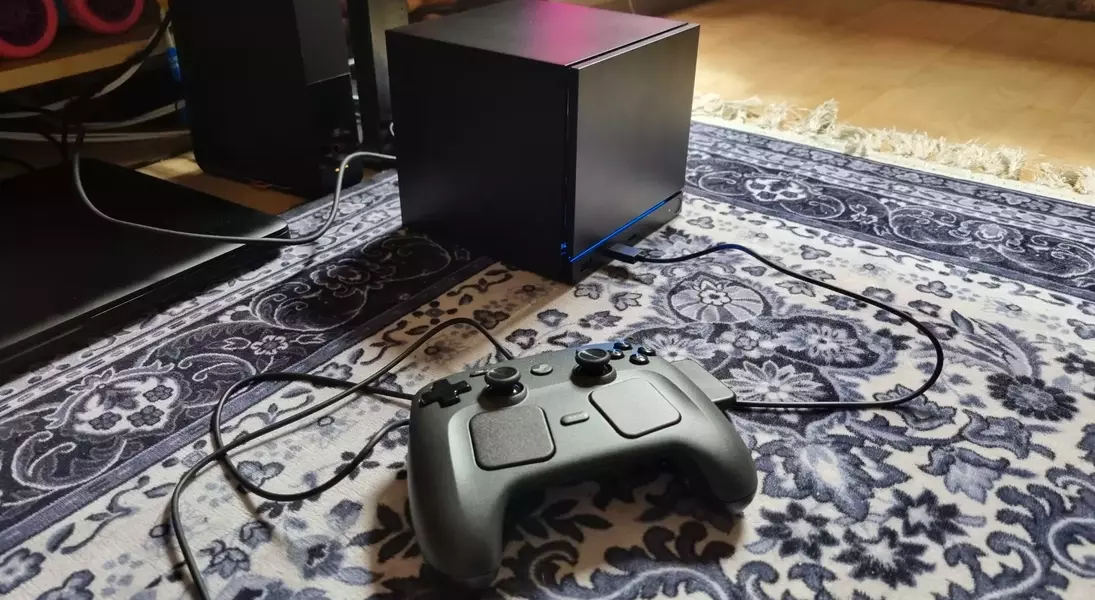
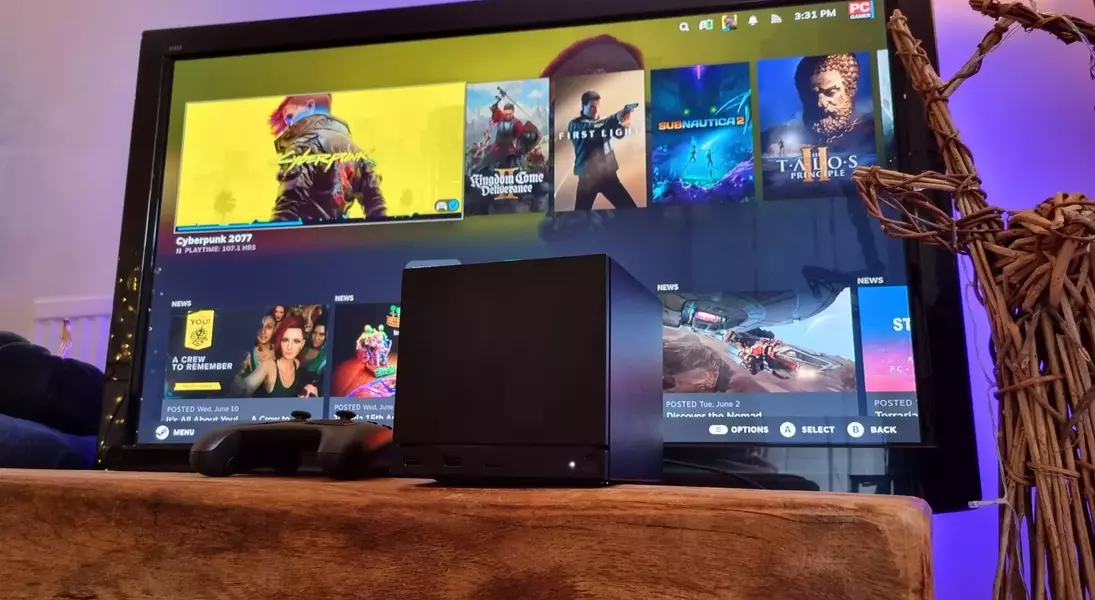
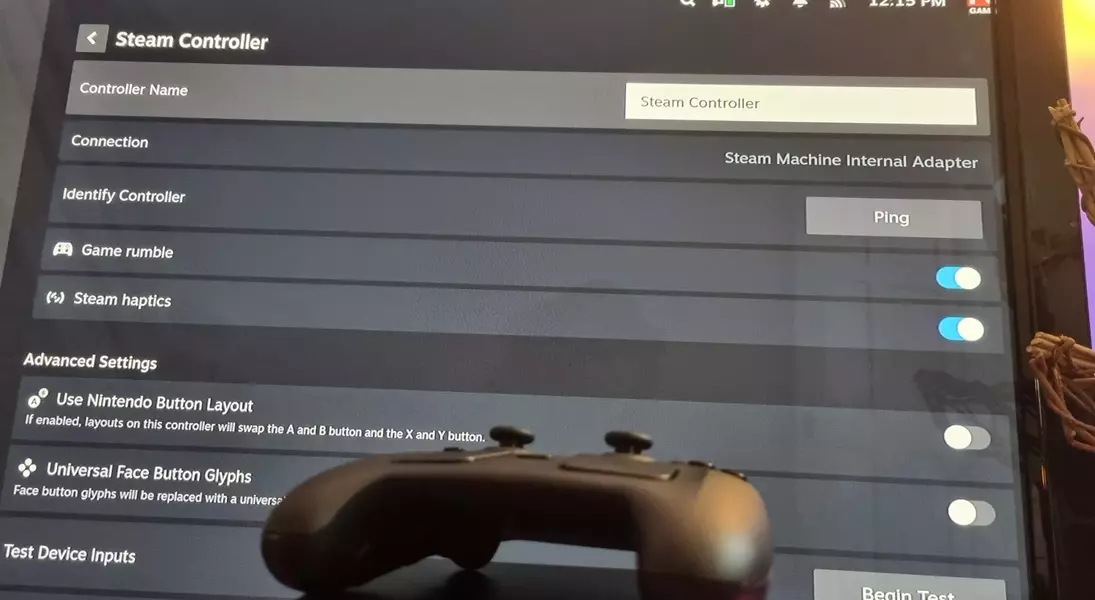
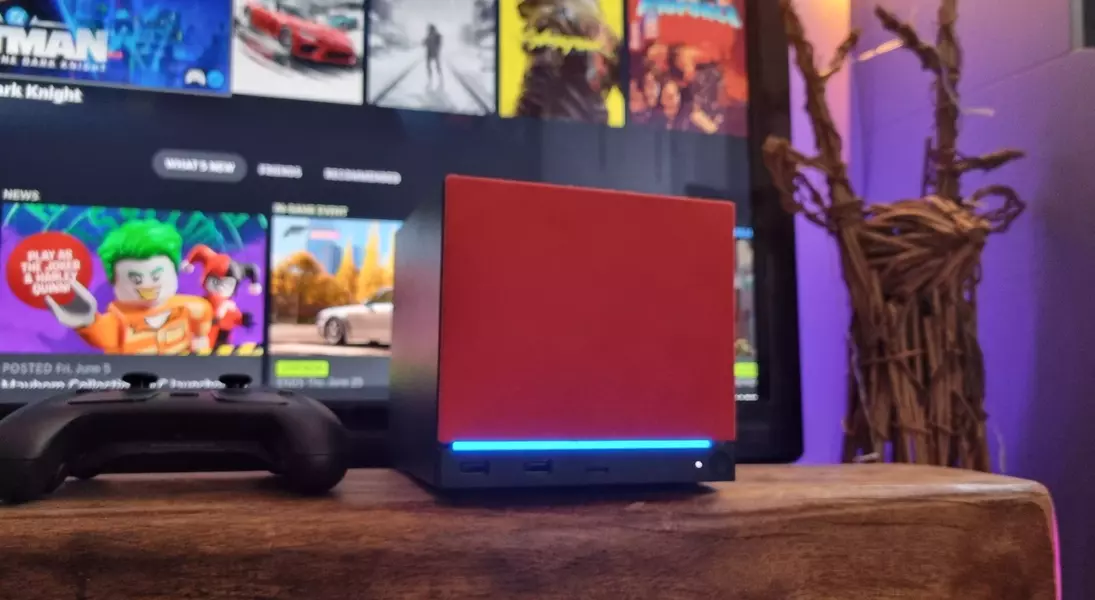
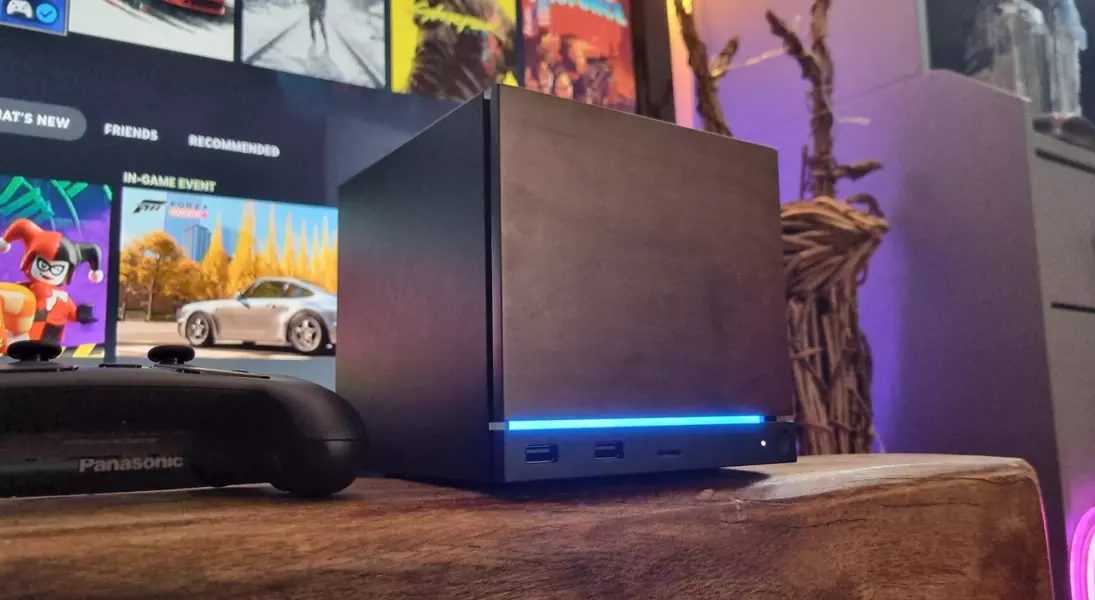
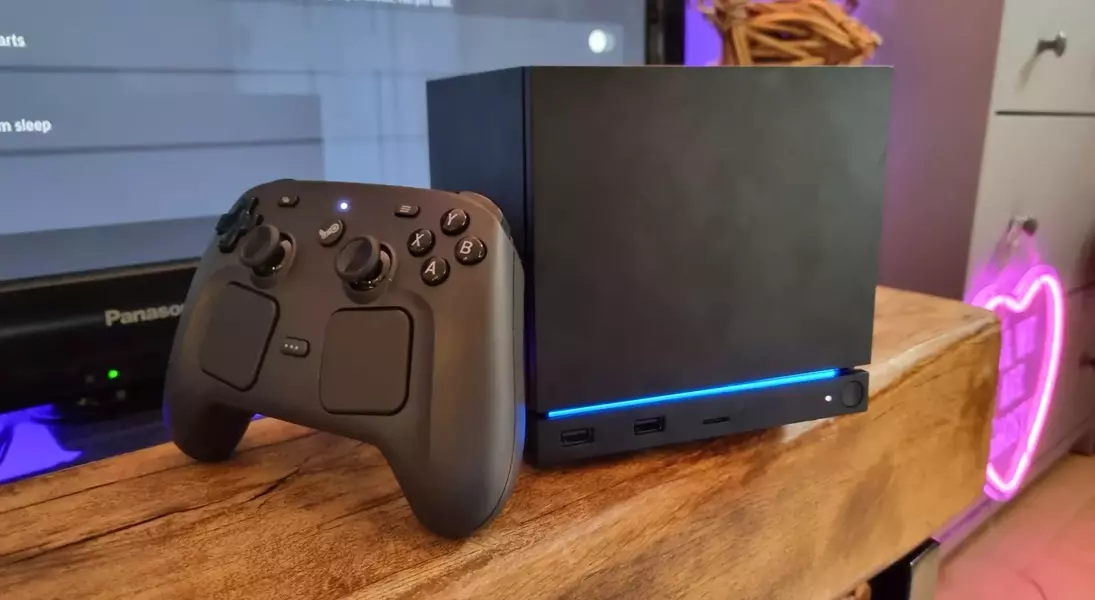
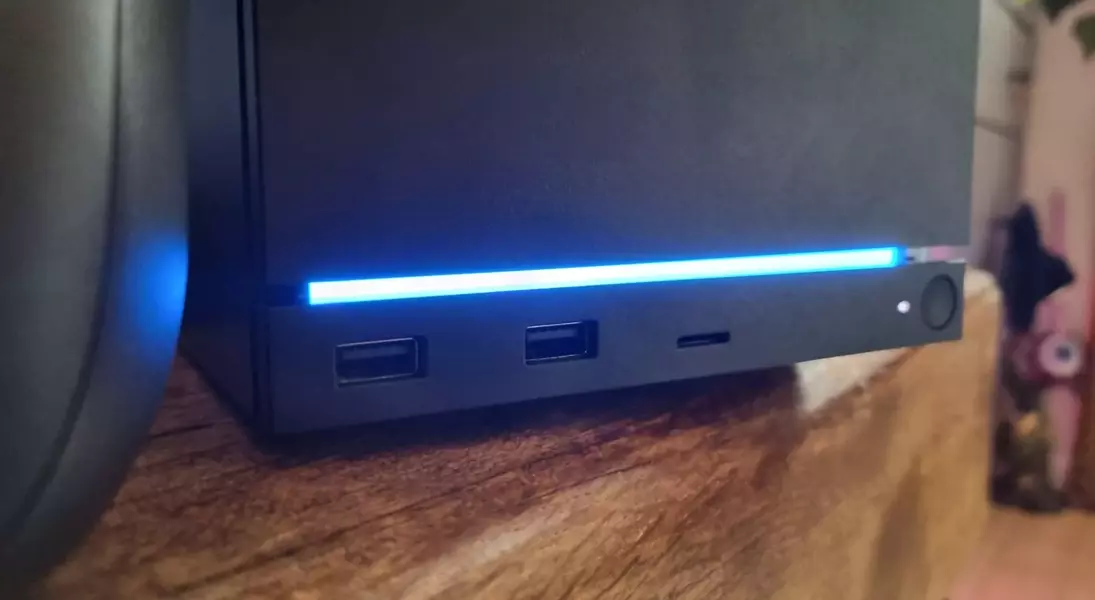
The Steam Machine debuts as a sleek, understated black cube, perfectly sized to integrate into any living room entertainment setup. Its compact dimensions, measuring 15.2 x 15.6 x 16.2 cm, make it discreet, blending effortlessly alongside other consoles and media devices. Beneath its minimalist exterior lies a semi-custom AMD Zen 4 CPU, featuring six cores and twelve threads, paired with 16 GB of DDR5 system RAM. The graphics processing unit is also a semi-custom AMD RDNA 3 with 8 GB of GDDR6 VRAM, 28 compute units, and a sustained maximum clock speed of 2.45 GHz, operating at a 110 W TGP. Connectivity options are robust, including Wi-Fi 6E, Bluetooth 5.3, multiple USB ports (Type-A and Type-C), DisplayPort 1.4, HDMI 2.0, and a gigabit Ethernet connection. The optional Steam Controller, with its distinctive symmetrical design and extensive features, enhances the living room gaming experience, connecting via an integrated 2.4 GHz wireless adapter.
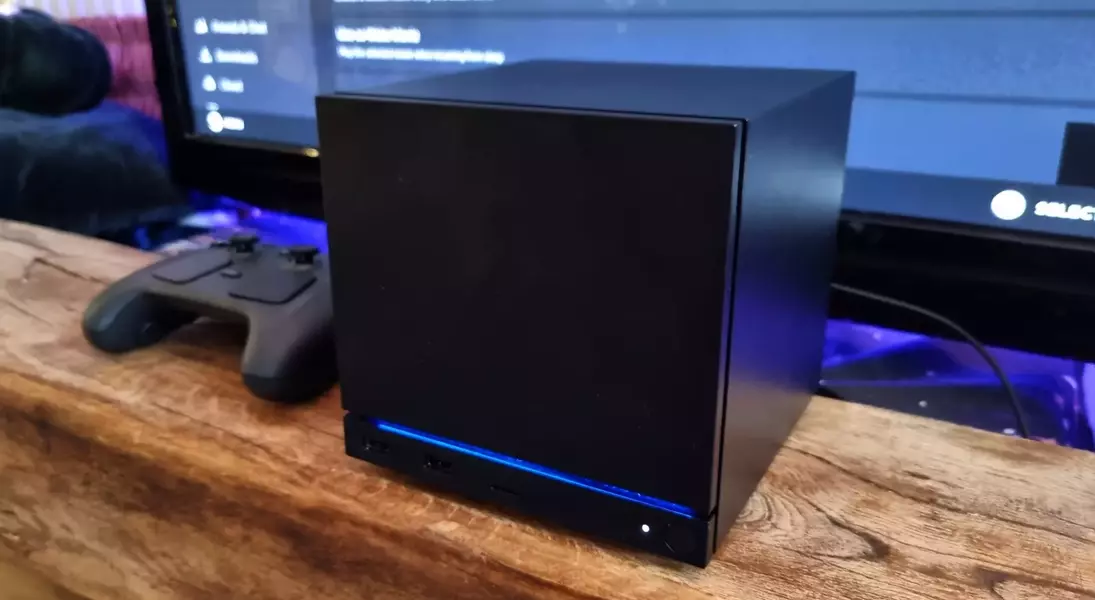
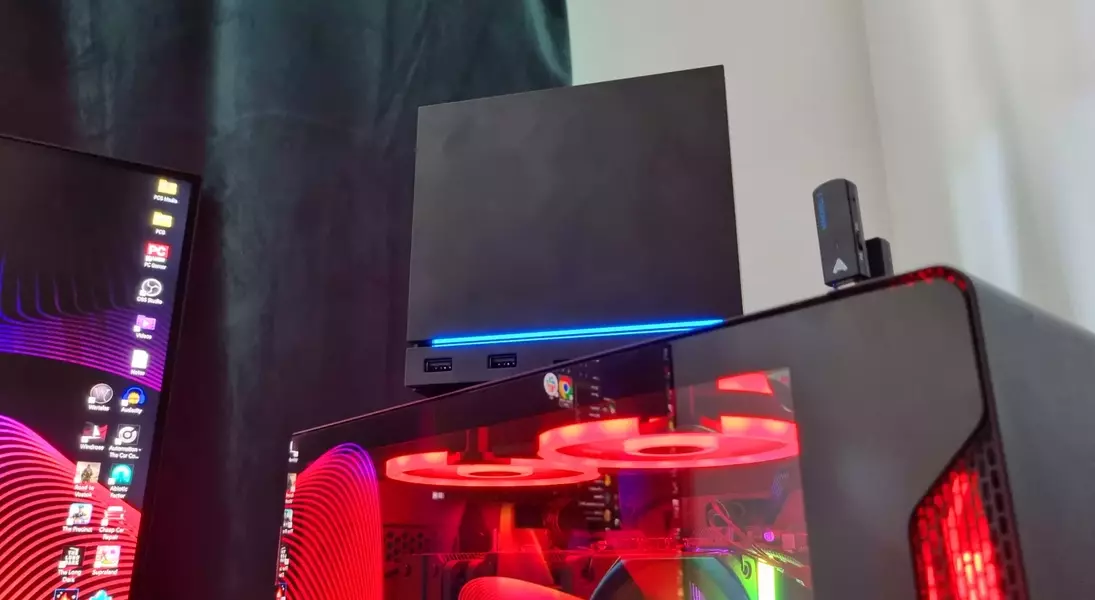
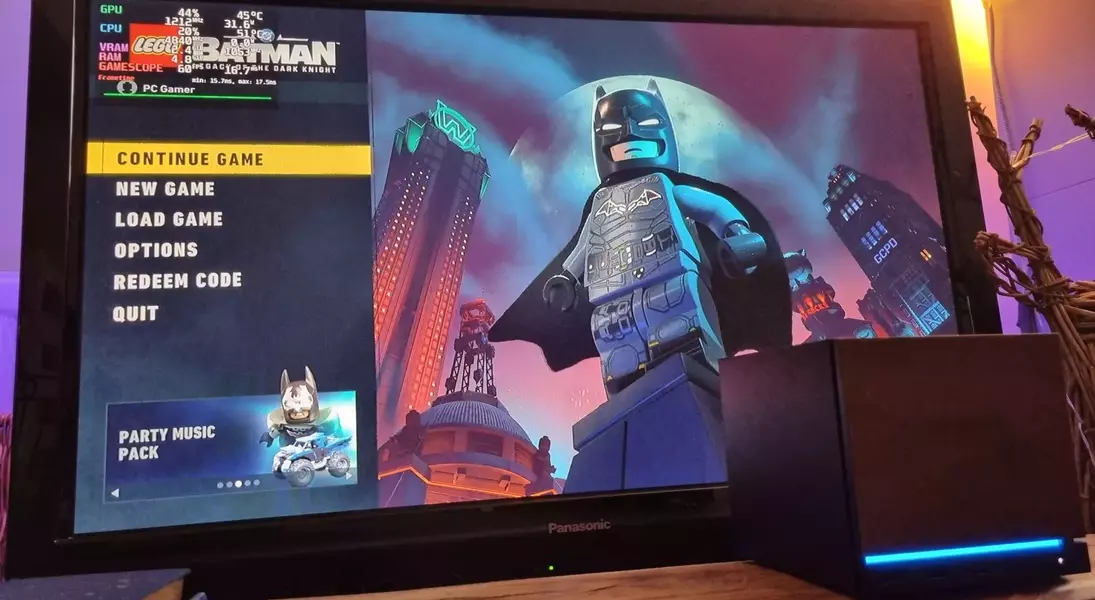
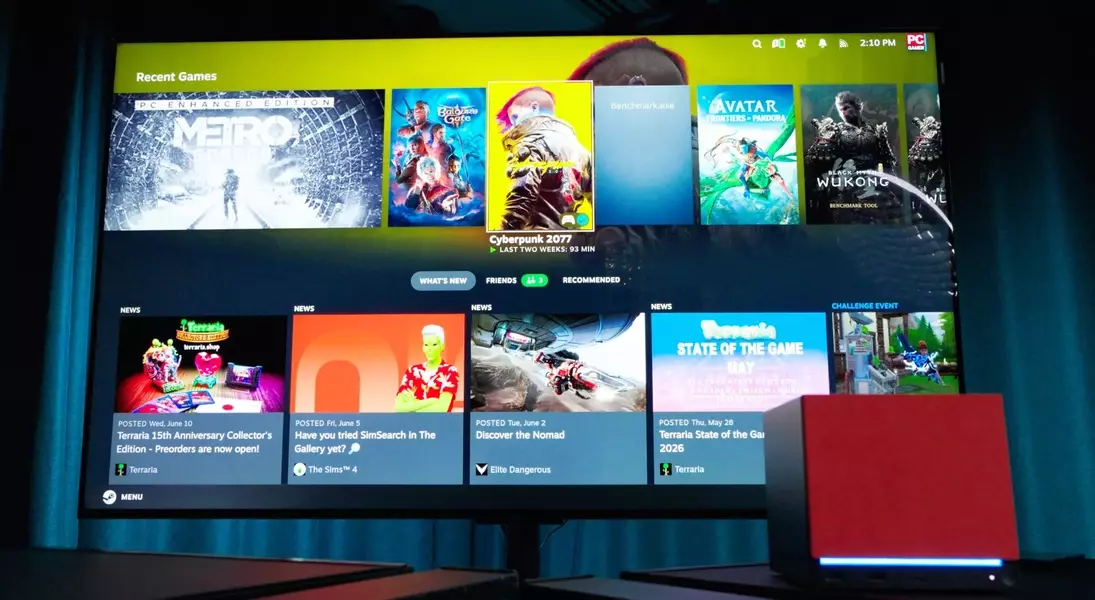
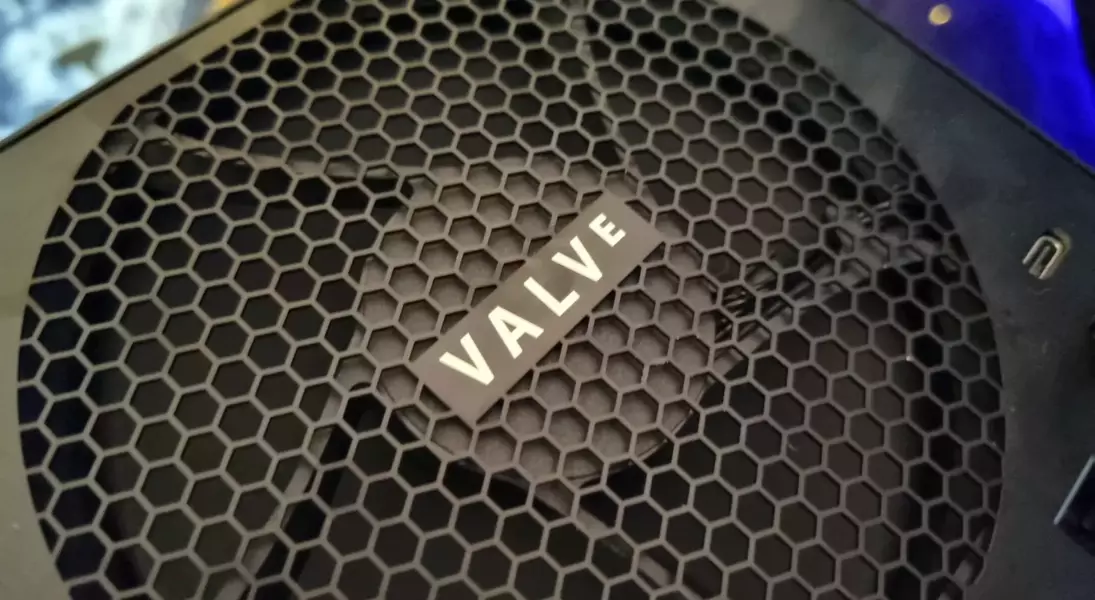
Valve's design philosophy for the Steam Machine prioritizes a refined and integrated experience for the living room. The device's small form factor is complemented by customizable magnetic faceplates, allowing users to personalize its appearance. The subtle RGB strip, which changes color based on activity, adds a touch of modern flair without being overtly flashy. Internally, a substantial heatsink and a single, low-noise 120 mm fan are engineered to maintain optimal temperatures quietly, a crucial consideration for a device meant for quiet home environments. This focus on a premium, compact design is evident, making the Steam Machine an attractive addition to any home media setup. However, the advanced features and bespoke components come with a premium price, which, when weighed against its performance capabilities, becomes a central point of contention.
Performance and Value Proposition: Unmet Expectations
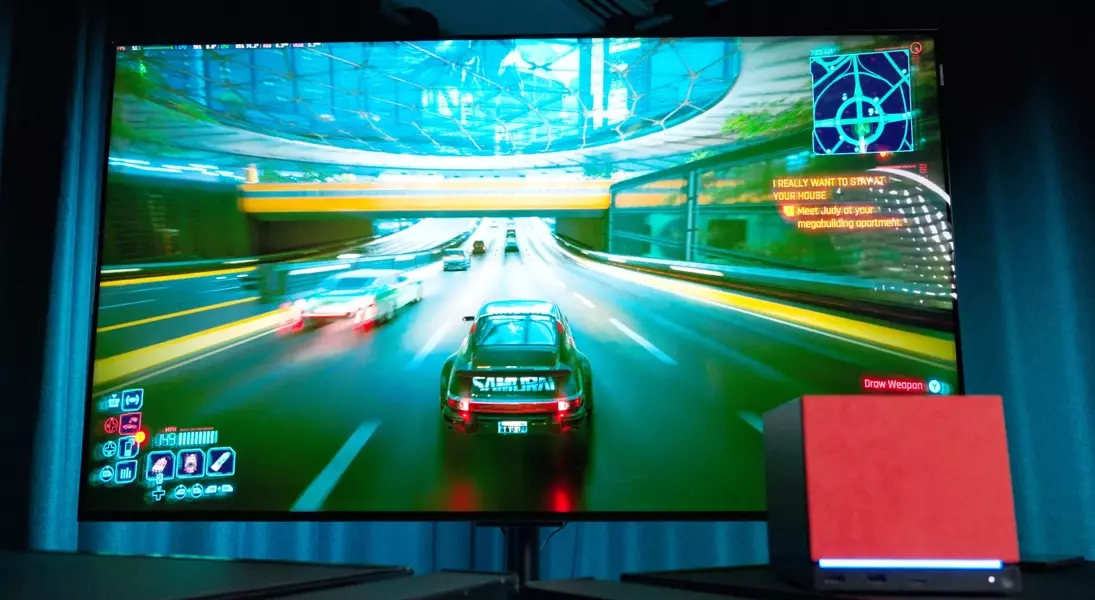
Despite its advanced internal components, the Steam Machine struggles to deliver the high-performance gaming experience its price point suggests. Benchmarks in demanding titles like Cyberpunk 2077 and Avatar: Frontiers of Pandora reveal an average frame rate of approximately 28 fps and 21 fps respectively at 1440p with medium settings or FSR enabled. This falls significantly short of the performance offered by similarly priced conventional gaming PCs or mini PCs equipped with NVIDIA RTX 5060 GPUs, which can achieve more than double the frame rates under similar conditions. The RDNA 3-based GPU, while capable, appears underpowered for the 4K60 benchmark Valve initially set for the device, often requiring substantial compromises in graphical fidelity and heavy reliance on upscaling technologies like FSR, which can introduce visual artifacts and increased latency.
The value proposition of the Steam Machine is further complicated by its price, which ranges from $1,049 for the 512 GB model without a controller to $1,428 for the 2 TB bundle with a controller. In the current market, this cost places it in direct competition with gaming PCs that provide superior raw performance. While the Steam Machine offers a compact, living room-friendly design and a dedicated SteamOS interface, these advantages are often overshadowed by its performance limitations. For gamers prioritizing high frame rates and visual fidelity without significant compromises, investing in a traditional gaming PC or a more powerful mini PC remains a more sensible choice. The Steam Machine, while an innovative concept, ultimately fails to deliver a compelling performance-to-price ratio, making it a difficult recommendation for the average PC gamer seeking optimal value and an uncompromised gaming experience.
