
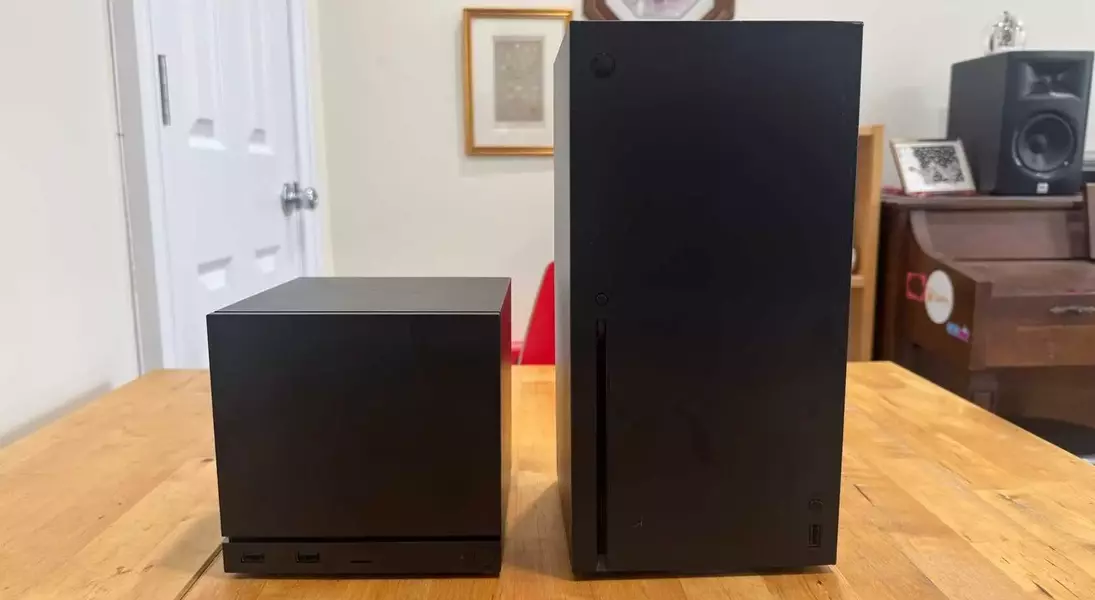
The Steam Machine presents an intriguing proposition for gamers, particularly those accustomed to the straightforward nature of console gaming but drawn to the expansive library of PC titles. Valve's latest offering aims to merge the best of both worlds, providing a user-friendly system that eliminates the typical complexities associated with PC gaming. This device positions itself as a hassle-free entry point into the Steam universe, promising a smooth transition for players who prioritize convenience over intricate technical configurations. However, a closer look reveals a dichotomy between its casual appeal and its financial value, sparking a debate among different segments of the gaming community.
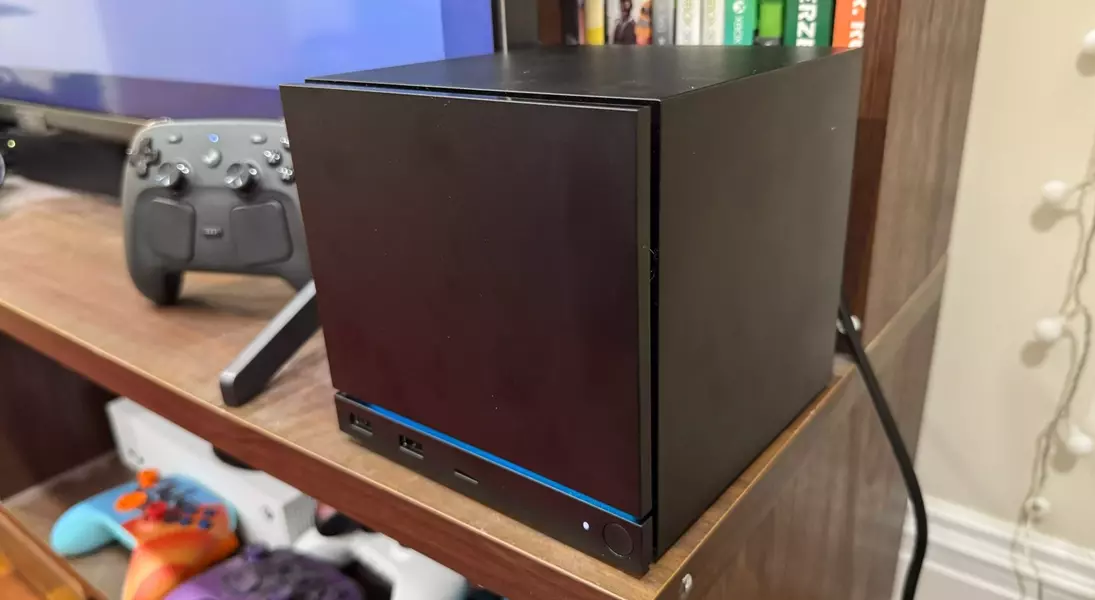
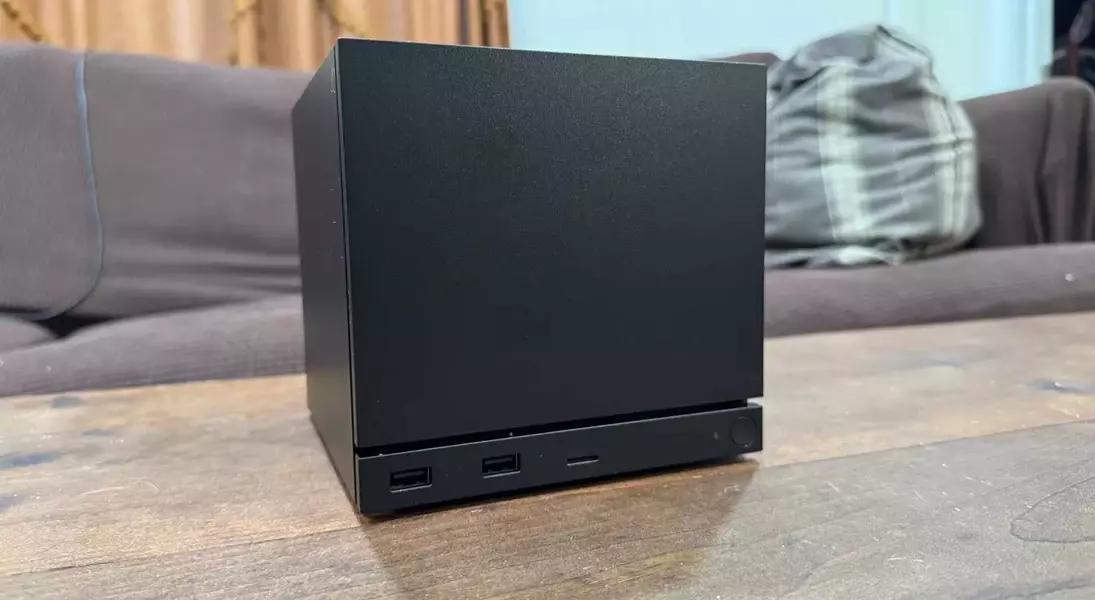
For the uninitiated or those who prefer simplicity, the Steam Machine delivers on its promise of an effortless gaming experience. Its intuitive design and the identical SteamOS interface shared with the Steam Deck make it incredibly easy to set up and navigate. Players can dive into their Steam library on a television screen almost immediately, bypassing the usual learning curve of a new system. This seamless integration into the Steam ecosystem, coupled with its portability and minimalist aesthetic, targets a demographic that values convenience and a consistent brand experience. Yet, beneath this veneer of simplicity lies a performance profile that doesn't quite align with its premium pricing, leading many tech-savvy reviewers to question its overall worth when compared to other gaming platforms or custom-built PCs.
Effortless Entry into PC Gaming
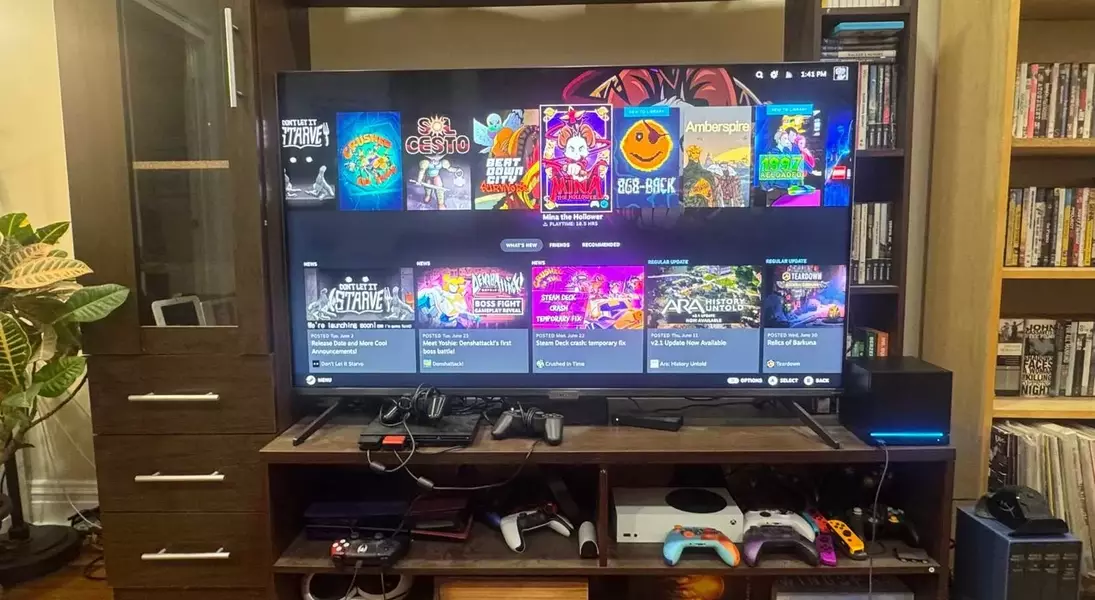
The Steam Machine is designed for seamless integration into a casual gaming lifestyle, offering a bridge between the traditional console experience and the vast world of PC gaming. Its plug-and-play functionality allows users to quickly set up the device, configure basic settings like time zone, and log into their Steam account, making it comparable to or even quicker than setting up a standard console like the Nintendo Switch. This ease of access makes it particularly appealing to console gamers who have been hesitant to venture into PC gaming due to perceived complexity, enabling them to enjoy their extensive Steam libraries on a large TV screen without any technical hurdles or extensive manual reading. The consistent user interface, mirroring that of the Steam Deck, further simplifies the experience by providing a familiar and organized layout for managing games, friends, and store access.
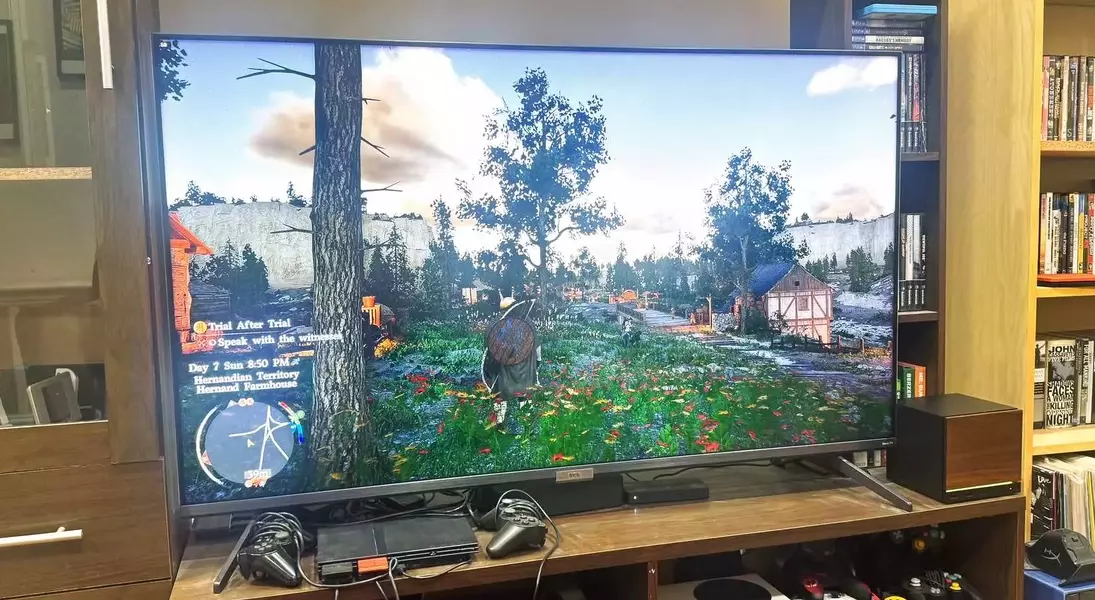
The device excels in providing a friction-free gaming environment. From its initial setup, which requires minimal input, to the actual gameplay, the Steam Machine offers remarkable ease of use. Users can download and launch a variety of games, from brand-new AAA titles to older indie productions, with high compatibility and stable performance. This contrasts sharply with the initial launch experience of the Steam Deck, where many games required troubleshooting to run effectively. The ability to launch demanding games like "Mina the Hollower" at optimal frame rates without prior adjustments is a significant draw for console players. Furthermore, the Steam Machine's compact design and portability allow it to blend effortlessly into a home entertainment setup, unlike larger consoles that often require creative placement. Its quiet operation, even under heavy load, enhances the immersive gaming experience, allowing players to focus entirely on their games without distraction.
Performance and Value Proposition
Despite its user-friendly interface and impressive ease of use, the Steam Machine's performance-to-price ratio raises significant questions for discerning gamers. Technical reviews consistently highlight that the device's power output does not justify its cost, which ranges between $1,049 and $1,428 for the high-end model. Benchmarking tests reveal that the Steam Machine is slightly less powerful than a standard PlayStation 5, which typically retails for a much lower price. This disparity in power and cost creates a difficult financial justification for individuals who are knowledgeable about hardware specifications and alternative gaming solutions. While it offers acceptable performance for 1080p gaming at 60 frames per second, its initial promise of 4K gaming at similar frame rates has proven to be largely unfulfilled, necessitating upscaling options and further technical considerations.
The financial viability of the Steam Machine becomes even more tenuous when considering its alternatives. For a comparable price, tech-savvy consumers could assemble a more powerful mini PC or purchase a dedicated gaming console that offers better performance. While the Steam Machine provides access to a Linux operating system in desktop mode, allowing for game modding and emulator use, these features are not exclusive to the device and can be replicated on a custom-built PC or even other Linux-based systems. The perceived value of convenience, while significant for its target audience, does not fully offset the technical limitations and high cost for those who understand the underlying hardware. Ultimately, the Steam Machine's recommendation varies greatly from person to person; while it perfectly caters to those who prioritize a simple, console-like PC gaming experience, its expensive price tag and performance shortcomings make it a less appealing option for enthusiasts seeking maximum power for their investment.
