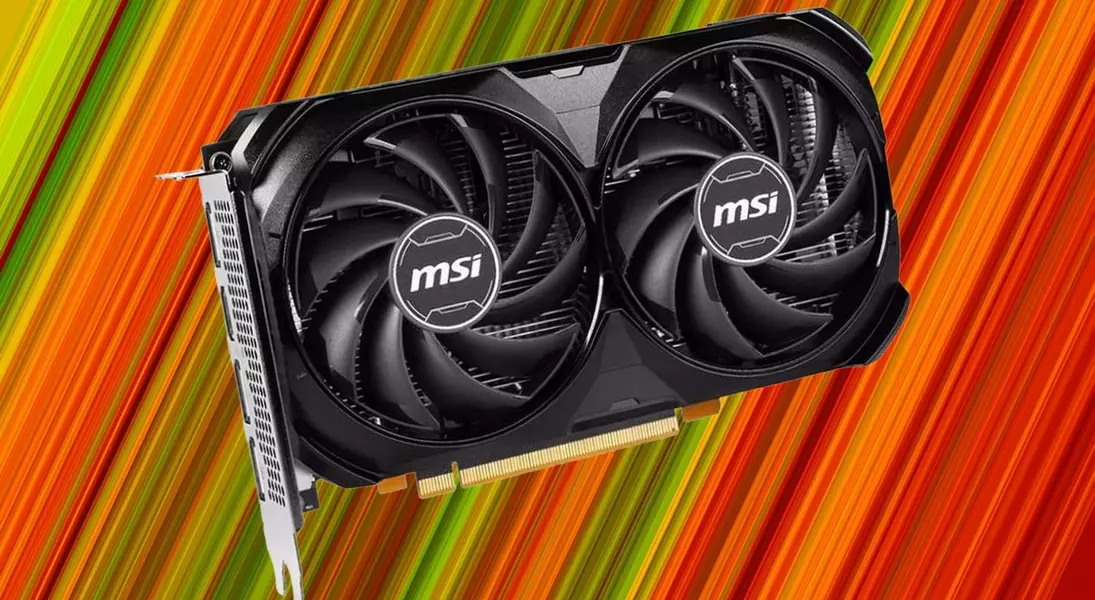

The recent Steam Hardware Survey for February 2026 has presented some perplexing figures, particularly concerning the Nvidia RTX 5070. This graphics card has unexpectedly claimed the top spot in popularity among Steam users, a development that, upon closer inspection, appears to be influenced by factors beyond typical market dynamics. The survey's reliability has previously been questioned by Valve itself, adding a layer of skepticism to these latest findings. The data suggests that external events, rather than a genuine overnight shift in consumer preference, are likely at play.
Historically, the RTX 5070 has shown a consistent, albeit gradual, increase in its adoption rate among Steam gamers. Its share progressed from 1.88% in October to 2.23% in November, 2.41% in December, and reached 2.87% in January. However, the February survey indicates an astonishing leap to 9.42%, positioning it as the leading single GPU. Such a rapid ascent is highly improbable under normal circumstances, implying that a massive, almost instantaneous, upgrade by a significant portion of the Steam user base would be necessary to achieve this level of change organically. This suggests that other, less straightforward, elements are contributing to these anomalies.
A critical factor in understanding these peculiar statistics is the concurrent surge in the proportion of Steam users reporting Simplified Chinese as their client language. This figure skyrocketed by 30.74%, reaching an unprecedented 54.60%. This dramatic increase strongly correlates with the Chinese Lunar New Year, which fell on February 17 this year, followed by an extended holiday period. It is a well-observed phenomenon that large numbers of Chinese gamers utilize this holiday to engage extensively with online platforms like Steam, often leading to temporary distortions in global usage data. Following the holiday, these numbers typically normalize.
Furthermore, an additional element contributing to this statistical anomaly could be the recent implementation of regional pricing for China by Steam. This adjustment aims to make games more financially accessible to Chinese gamers by aligning prices with local economic conditions and purchasing power. The introduction of more favorable pricing may have incentivized a larger number of Chinese users to log in and engage with the platform during this period, thereby inflating the survey's figures. The combined effect of the Lunar New Year festivities and the new pricing structure likely resulted in an unusually high concentration of Chinese gamers on Steam in February.
It's also worth noting that the survey recorded significant gains for other Nvidia GPUs. The RTX 5060 saw its share rise from 4.22% to 6.72% in February, and the RTX 4060, previously the most popular GPU, increased by 3.10% to secure the second position at 7.46%. While the precise reasons for these widespread increases across multiple Nvidia cards remain somewhat ambiguous, it is plausible that the demographic shift during the Chinese New Year period involved a user base that is generally better equipped with more advanced hardware. The high ranking of a premium GPU like the RTX 5070, which typically costs upwards of $500, does raise questions about the purchasing power within this segment of the Chinese gaming community. Nevertheless, it is widely anticipated that these exaggerated survey results will revert to their more typical patterns in the subsequent months.
The extraordinary figures from the latest Steam Hardware Survey highlight the sensitivity of global data to regional cultural events and economic policies. The pronounced increase in the RTX 5070's market share and the dominance of Simplified Chinese as the preferred client language strongly suggest a temporary skewing of data due to the confluence of the Chinese Lunar New Year celebrations and the introduction of regional pricing for Chinese users. This phenomenon, while creating a momentary misrepresentation of the broader gaming hardware landscape, is expected to self-correct in forthcoming reports, reaffirming the transient nature of such statistical surges.
