Starseeker: Astroneer Expeditions, now available in early access, introduces a significant shift from the beloved galactic exploration of its predecessor, Astroneer. This new iteration redefines the gameplay experience by focusing on cooperative extraction mechanics, inviting players to embark on timed expeditions rather than open-ended survival. While the foundational elements of environmental manipulation and resource collection from Astroneer are retained, Starseeker carves its own niche with a strong emphasis on multiplayer interaction and mission-driven progression.
Despite being in its early stages, the game offers a compelling loop of exploring meticulously designed biomes, engaging with new alien life forms, and strategically gathering resources to enhance your equipment. The transition to a live-service model, complete with cosmetic microtransactions, signals a different approach to player engagement, aiming to foster a communal experience around its bite-sized adventures. However, early access naturally brings with it technical challenges, including bugs and performance hiccups, which are being addressed through regular updates to improve stability and overall player satisfaction.
A Fresh Approach to Galactic Exploration
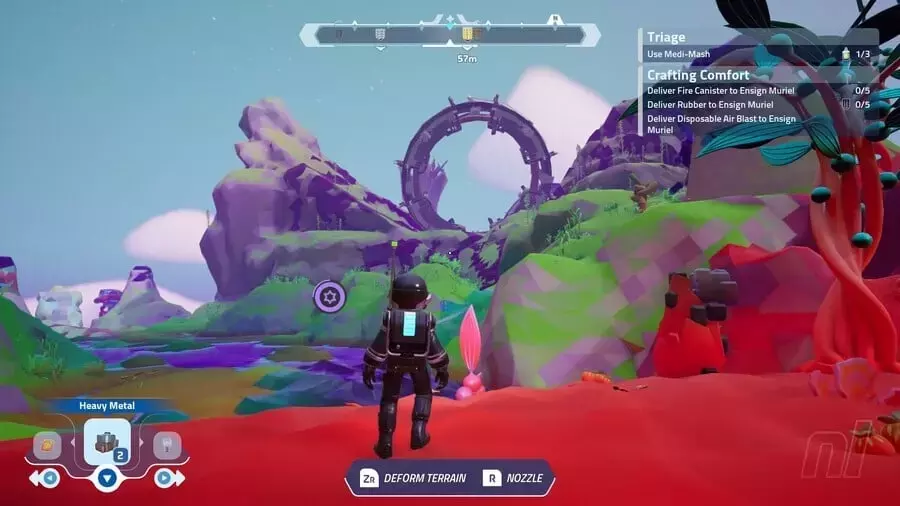
Starseeker: Astroneer Expeditions presents a notable departure from the open-ended survival genre, redefining the player experience with a focus on collaborative extraction missions. Unlike its predecessor's persistent sandbox, this title centers on time-limited excursions into diverse planetary environments, emphasizing teamwork and strategic resource acquisition. Players are tasked with exploring vibrant worlds, utilizing a multi-tool to deform terrain and collect essential materials, echoing the familiar mechanics of Astroneer while adapting them to a more structured, objective-based format. The game's early access phase has seen the developers actively working to refine this core loop, ensuring that each expedition offers a satisfying blend of exploration, challenge, and reward, despite the occasional technical glitch.
The shift towards a cooperative framework is evident in every aspect of Starseeker. The central hub, the ESS Starseeker, serves as a social nexus where players can congregate, form crews, and prepare for their next planetary deployment. This station not only facilitates interaction among explorers but also provides crucial facilities for crafting and upgrading gear, which are vital for tackling the increasingly hazardous expeditions. The inclusion of an O2 meter as a timer adds a layer of urgency and strategic planning to each mission, necessitating efficient resource management and coordinated efforts to complete objectives before returning to base. This design philosophy clearly aims to cultivate a dynamic multiplayer environment, where the success of each mission often hinges on effective collaboration and communication among team members.
Navigating Early Access: Challenges and Community
Currently in early access, Starseeker: Astroneer Expeditions is actively evolving, addressing technical challenges while building a vibrant player community. The game's early stages are marked by occasional bugs and performance issues, which, while sometimes hindering progress, are met with consistent developer patches aimed at enhancing stability and gameplay fluidity. This iterative development process means that the player experience is continually being refined, with community feedback playing a crucial role in shaping the game's future. The commitment to regular updates underscores the developers' dedication to delivering a polished and engaging experience as the game progresses towards a full release.
The design of Starseeker inherently encourages social interaction, fostering a sense of camaraderie among players as they navigate its cooperative challenges. While solo expeditions are an option, the game's mechanics and objectives are clearly optimized for multiplayer engagement, making the formation of a reliable crew highly beneficial. The introduction of hostile alien fauna and environmental hazards adds a new layer of danger, transforming resource gathering into a more dynamic and potentially perilous endeavor, where teamwork can significantly mitigate risks. Furthermore, the game's live-service model incorporates cosmetic microtransactions, offering players various customization options, although a wealth of in-game rewards ensures that engaging with the core gameplay loop remains a fulfilling experience without reliance on additional purchases.
