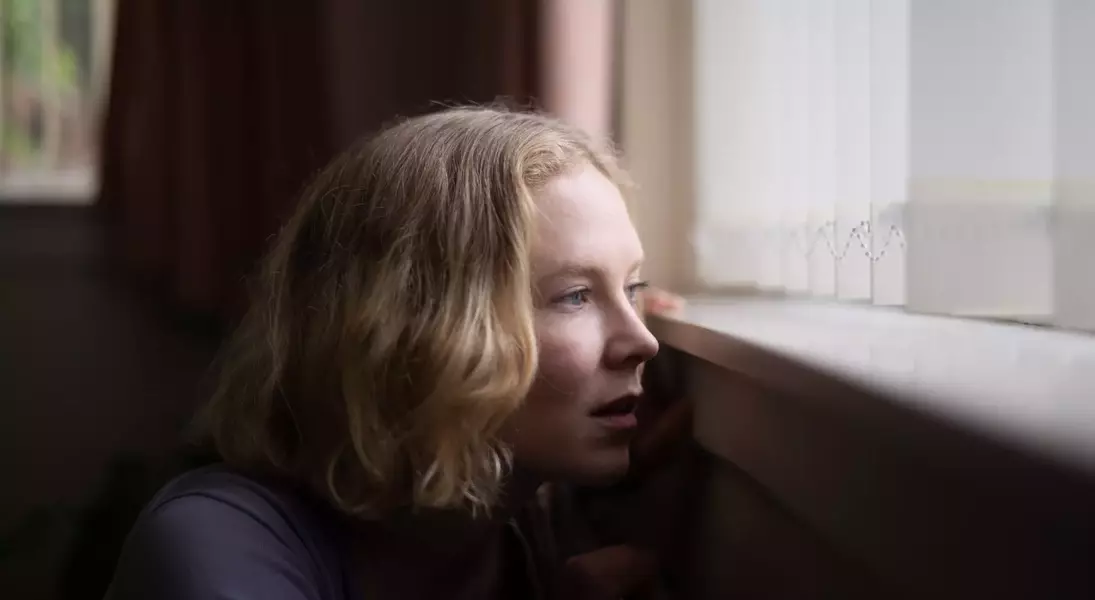
Actors George MacKay and Rosy McEwen recently shared insights into their unique experience working on the film 'Mission.' Directed by Paul Wright, known for his experimental approach, the movie largely relied on improvisation rather than a traditional script, offering the cast an unparalleled degree of creative freedom. This innovative filmmaking process, which emphasized character exploration and thematic depth, led to a deeply personal and liberating artistic journey for both lead actors. Their discussion highlights the distinct advantages of independent cinema, contrasting its flexibility and focus on artistic process with the more structured environment of major studio productions.
The actors also delved into the profound themes explored in 'Mission,' particularly the protagonist Dylan's quest for meaning amidst an unfulfilling life and his sister Claire's more resigned approach to existence. They touched upon the film's commentary on societal norms, consumerism, and the inherent human desire for freedom and authenticity. Both MacKay and McEwen articulated how independent films provide a crucial space for experimentation and personal growth, enabling them to delve into complex narratives and develop their craft in ways that larger, commercially driven projects often cannot. Their reflections underscore the enduring appeal and importance of independent cinema as a platform for challenging conventional storytelling and fostering genuine artistic expression.
Creative Freedom and Improvisation on the 'Mission' Set
George MacKay and Rosy McEwen, the lead actors in Paul Wright's latest film 'Mission,' have characterized their filming experience as highly unconventional and remarkably liberating. Contrary to standard productions, 'Mission' began without a traditional screenplay. Instead, director Paul Wright provided a comprehensive 'lookbook' of images and a broad outline of scenarios, allowing the narrative and character arcs to emerge organically through improvisation. This method fostered an environment where actors could explore their roles with unprecedented depth and spontaneity, creating a dynamic and fluid creative process that profoundly impacted their performances. MacKay, who previously collaborated with Wright, highlighted how this approach transformed his understanding of character development, enabling a raw and authentic portrayal of his role, Dylan.
Rosy McEwen, new to Wright's directorial style, echoed MacKay's sentiments, describing the experience as one of her most cherished. The small, intimate crew size further enhanced the sense of freedom, allowing for extended, unscripted takes where dialogue and actions unfolded naturally. This improvisational approach meant that the actors often discovered the nuances of their characters and the story's direction in real-time, leading to genuine and visceral interactions. McEwen emphasized that this creative latitude, where the possibilities felt limitless, stands in stark contrast to more structured film projects, offering a unique opportunity for artistic growth and a deeper connection to the material. The film's premiere at the Edinburgh Film Festival will showcase the fruits of this experimental and actor-driven creative process.
Exploring Existential Themes and the Allure of Independent Cinema
At its core, 'Mission' delves into profound existential questions, primarily through the journey of Dylan, portrayed by George MacKay. Dylan's character embarks on a desperate quest for meaning, pushing boundaries and engaging in chaotic acts to escape a mundane existence. MacKay elaborated on Dylan's motivation, describing it as an attempt to recapture a past 'spiritual experience' and to feel truly alive, regardless of the consequences. This drive to break free from societal constraints and question conventional life paths resonated deeply with MacKay, who acknowledged the inherent conflicts between personal freedom and the demands of modern capitalism. He highlighted how the film provocatively examines human complacency and the struggle against a system that often prioritizes conformity over genuine fulfillment.
Rosy McEwen's character, Claire, offers a contrasting perspective, representing a more subdued acceptance of life's motions, despite experiencing similar underlying dissatisfactions as Dylan. McEwen noted that Claire's journey reflects the internal struggles many face when confronting trauma and the difficulty of escaping perceived destinies. Both actors underscored the critical role independent cinema plays in fostering such deep thematic explorations. They asserted that smaller productions, unburdened by the commercial pressures of large studios, provide an essential 'playground' for actors and filmmakers to experiment, take risks, and delve into complex human experiences. This environment, they believe, is crucial for artistic growth and for creating thought-provoking narratives that challenge audiences to reflect on their own lives and societal structures.
