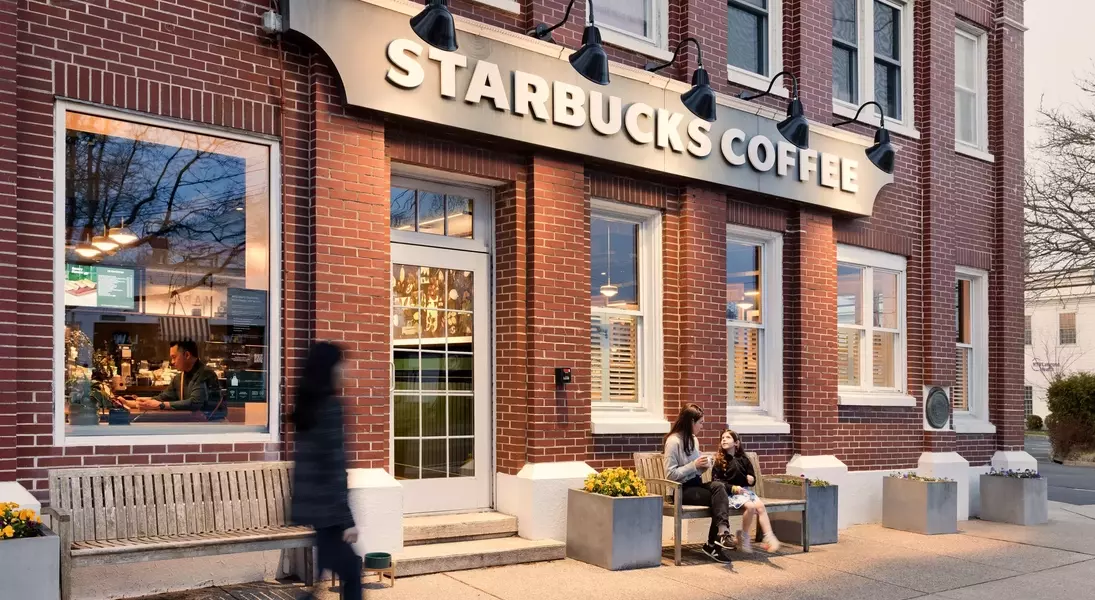
This report delves into the current state of Starbucks, examining its recent performance, the strategic initiatives undertaken by CEO Brian Niccol to revitalize the brand, and the outlook for investors ahead of the upcoming fiscal fourth-quarter earnings announcement.
Brewing a Comeback: Starbucks' Journey Through Transformation
Starbucks Grapples with Evolving Market Dynamics and Shifting Consumer Habits
Once a dominant force in the coffee industry, Starbucks has encountered significant hurdles in adapting to an evolving market. The company has experienced a sustained decrease in comparable store sales, intensified by growing competition across various sectors. This challenging environment underscores the necessity for a strategic shift to regain momentum.
Leadership Transition and Strategic Vision Under CEO Brian Niccol
A little over a year has passed since Brian Niccol assumed the leadership role at Starbucks. His appointment marked a pivotal moment for the company, as he quickly outlined a comprehensive strategy aimed at re-establishing Starbucks' core identity as a beloved community hub for coffee enthusiasts. Investors are eagerly awaiting the upcoming fiscal fourth-quarter earnings report on October 29th for an update on the progress of these initiatives and the company's overall trajectory.
Operational Revitalization: Addressing Past Inefficiencies and Enhancing Customer Experience
Starbucks has contended with several operational inefficiencies, including prolonged wait times, outdated equipment, and a perceived decline in the in-store experience. Recognizing these issues, Niccol initiated a series of changes, such as reintroducing condiment bars to accelerate beverage handoffs and integrating new technologies to streamline the ordering process. These efforts are designed to improve operational efficiency and elevate the overall customer experience, moving away from a previously transactional approach.
Early Signs of Progress Amidst Persistent Challenges
While the company continues to report declines in certain metrics, management acknowledges that a complete turnaround will require time. CEO Niccol expressed confidence in the progress made, stating that the company is "ahead of schedule" in building a robust operational foundation. Despite a 2% drop in comparable sales from the previous year, Starbucks successfully opened 308 new locations, contributing to a 4% increase in total sales. Notably, comparable sales in China, a key growth market, saw a 2% increase.
Anticipating the Fiscal Fourth-Quarter Earnings Report: A Conservative Outlook
Starbucks' management has adopted a cautious stance regarding the upcoming fiscal fourth-quarter performance, choosing not to provide specific guidance and describing their outlook as "conservative." The company continues to navigate economic pressures such as inflation and tariff fluctuations, with cost comparisons expected to peak in the first quarter of 2026. Substantial investments in the turnaround plan are also anticipated to impact the bottom line for the fourth quarter.
Glimmers of Optimism: Transactional Improvements and Strategic Hedging
Despite the challenges, there are positive indicators. Transaction volumes are showing improvement, and Starbucks has adjusted its supply chain practices to better manage tariffs and cost volatility. The new technological implementations are yielding more efficient in-store operations. Furthermore, the company reported its highest single Tuesday and weekly sales figures in its history following the return of seasonal favorites like the Pumpkin Spice Latte, suggesting a strong customer response to product offerings.
Investment Considerations: Valuing Starbucks' Long-Term Potential
Starbucks' stock has experienced a 7% decline in 2025, with a forward one-year P/E ratio of 26. This valuation, while not inexpensive for a company in a rebuilding phase, reflects the market's underlying confidence in Niccol's leadership and the company's long-term growth prospects. While short-term gains are uncertain, patient investors with a long-term horizon may find Starbucks an attractive option, potentially offering future growth and stability. The company also offers a dividend yielding 2.9%, making it a candidate for passive income generation.
