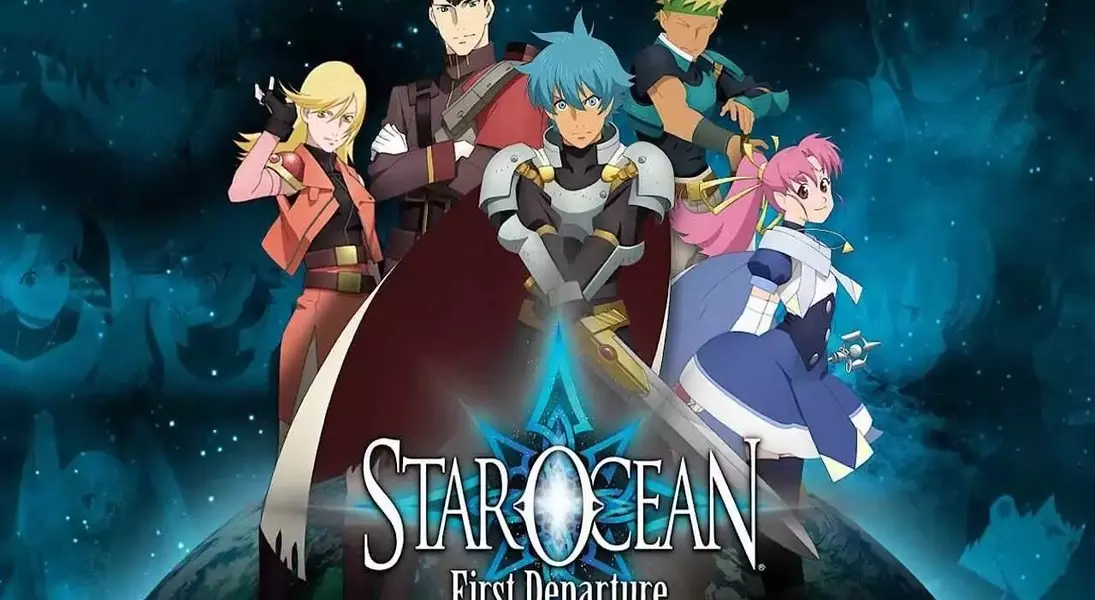
The gaming world often celebrates well-known role-playing game franchises, yet some groundbreaking titles, despite their significant contributions, tend to be marginalized in broader discussions. Among these, 'Star Ocean' stands out as a series that, since its 1996 debut, has consistently pushed the boundaries of the genre, particularly through its innovative 'Private Actions' system. This unique mechanic dramatically enhanced player engagement and character development, setting a new standard for how narratives could unfold within RPGs. Even as more prominent series garnered widespread attention, 'Star Ocean' quietly fostered a devoted following and subtly reshaped the landscape of interactive storytelling.
The genesis of 'Star Ocean' can be traced back to a pivotal moment in game development. Dissatisfaction among key personnel working on 'Tales of Phantasia' led to their departure from Wolf Team and the establishment of Tri-Ace. These visionary developers harnessed their collective experience to forge 'Star Ocean,' a game that skillfully blended fantasy and science fiction elements. Crucially, they introduced 'Private Actions' from the outset, a feature that allowed for a degree of player influence over character relationships and plot progression previously unseen in the genre.
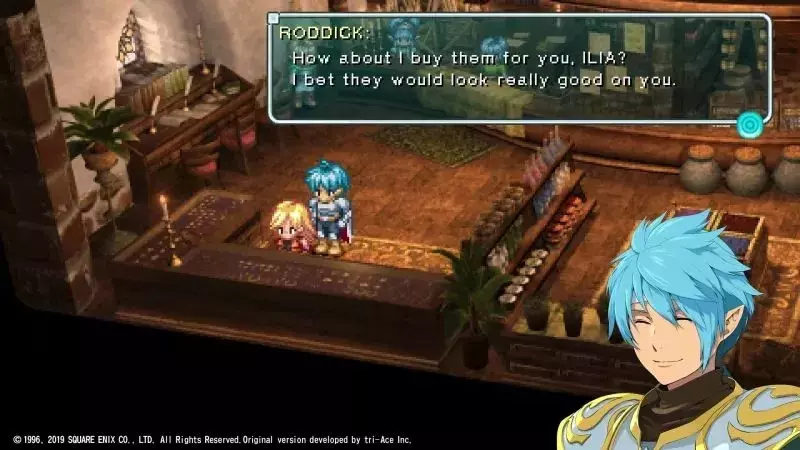
Unlike many contemporary RPGs where character interactions were largely scripted and linear, 'Private Actions' in 'Star Ocean' offered players a novel degree of autonomy. Upon arriving at a new location, players could opt to disperse their party, leading to spontaneous, optional dialogues and events between characters. These interactions, such as a gift exchange between Roddick and Ilia that could stir jealousy in Ronyx, were not mere window dressing. They had tangible consequences, impacting affection levels between party members and potentially unlocking new skills or abilities that would otherwise remain inaccessible. The highly variable nature of these events, dependent on party composition and player choices, significantly enhanced replayability and encouraged experimentation, deepening the player's connection to the game's world and its inhabitants.
The profound impact of 'Private Actions' on character progression and narrative depth was undeniable. By tying missable rewards to these personal encounters, 'Star Ocean' effectively compelled players to invest more emotionally in their party members' seemingly minor quirks and relationships. This ingenious approach advanced the JRPG genre by fostering more dynamic storytelling. However, its influence was initially limited in Western markets due to the original 'Star Ocean' not being officially released outside Japan until 2008 with 'Star Ocean: The First Departure' for the PSP. Despite this geographical delay, the seeds of innovation had been sown.
The concepts pioneered by 'Star Ocean' resonated deeply within the industry. By the time 'Star Ocean: The Second Story' emerged, other notable RPGs had begun to integrate similar mechanics. 'Tales of Destiny' introduced its 'skits,' mirroring the interactive character vignettes, a feature that continued to evolve in later 'Tales of' installments like 'Tales of Symphonia.' Even the critically acclaimed 'Final Fantasy 9' adopted a comparable system with its Active Time Events (ATEs), demonstrating the widespread appeal of more interactive character moments. Today, the fundamental principles established by the original 'Star Ocean' continue to underpin character development and player agency in diverse RPG franchises, from the strategic depths of 'Fire Emblem' to the intricate social simulations of 'Persona.'
The enduring legacy of 'Star Ocean' lies in its pioneering spirit. While it's plausible that another development team might have eventually conceived similar interactive systems, 'Star Ocean' was the trailblazer that meticulously crafted and integrated 'Private Actions' into the very fabric of its design. Gamers who appreciate the rich, evolving relationships and meaningful interactions among their in-game companions owe a significant debt of gratitude to this often-underestimated series, which irrevocably altered the trajectory of RPG storytelling.
