
The prospect of extensive remakes for additional entries in Square Enix's celebrated role-playing game franchise, mirroring the scope of the Final Fantasy 7 remake trilogy, appears to be a distant reality. This sentiment comes from Naoki Yoshida, the esteemed producer behind Final Fantasy 14, who voiced his reservations during the Final Fantasy 14 Fan Fest in Berlin. Yoshida indicated that projects of comparable magnitude could demand an even longer development cycle than the already lengthy Final Fantasy 7 remake, a statement that carries considerable weight given its decade-plus development.
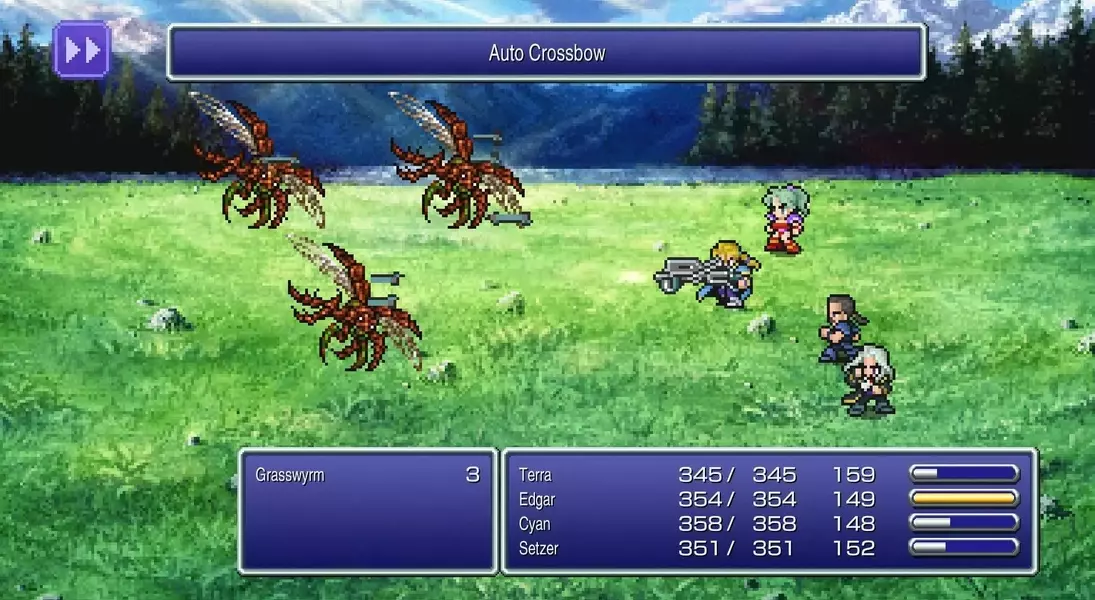
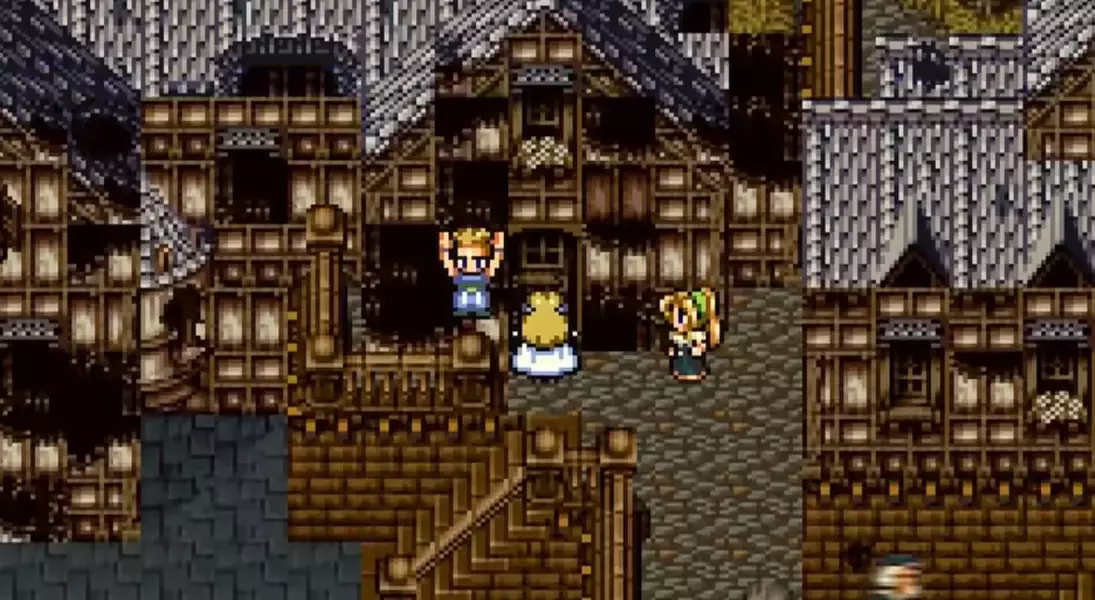
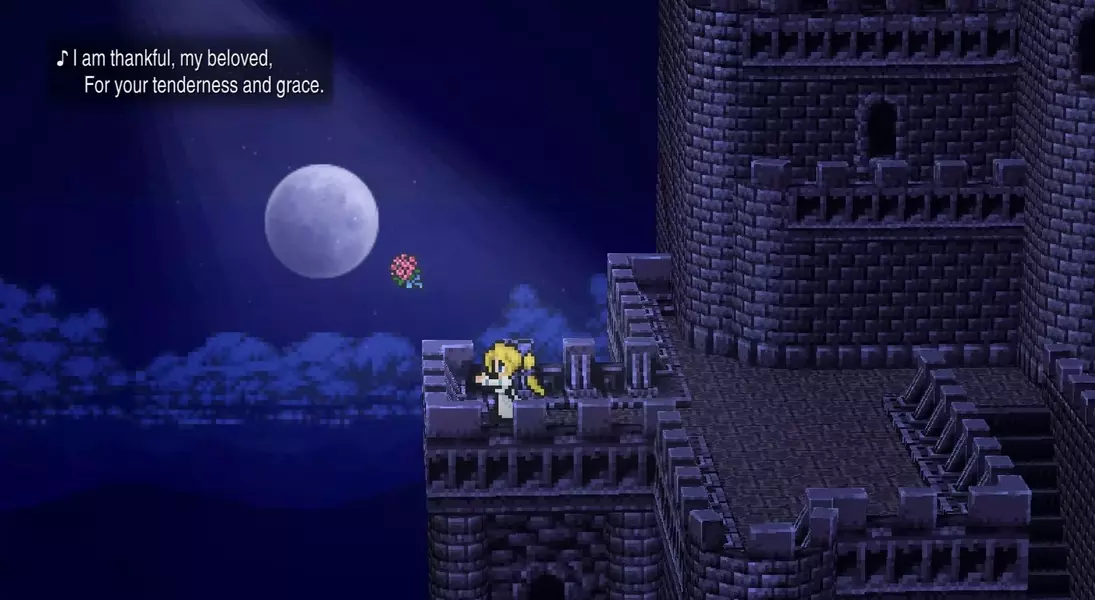
During the Berlin Fan Fest, a weekend primarily dedicated to unveiling fresh details about Final Fantasy 14's upcoming expansion, Evercold, Yoshida also delved into broader discussions concerning the series. At the 'Naoki's Room' event on July 26, alongside Naoki Hamaguchi, director of the Final Fantasy 7 remake trilogy, the conversation naturally steered towards the demand for more remakes. Yoshida acknowledged players' desires but emphasized the practical challenges, using Final Fantasy 6 as a prime example. He noted its "incredibly huge" and "immense" scale, suggesting that remaking such titles to modern standards could necessitate their release in four or even five separate parts. This extensive commitment raises questions about feasibility and resource allocation for future projects.
The extensive development period for the Final Fantasy 7 remake trilogy, with the third installment, Revelation, anticipated in Spring 2027, illustrates the scale of such undertakings. Yoshida's choice of Final Fantasy 6 as an illustrative case underscores the complexity involved, given its vast world and numerous characters. If player expectations for a contemporary adaptation align with the visual and gameplay advancements seen in the Final Fantasy 7 remake, developers could face an insurmountable task. However, alternative approaches exist. Square Enix might streamline future remakes by focusing on graphical enhancements and quality-of-life improvements for titles like Final Fantasy 8 and 9, rather than comprehensive expansions. For pixel-art classics like Final Fantasy 6, utilizing an HD-2D engine, akin to the one employed in the forthcoming Final Fantasy Resonance, could offer a visually appealing modernization without the overwhelming scope of a full-scale realistic remake, potentially allowing for single-release projects. While the Final Fantasy 7 remake trilogy served as an intriguing experiment, Yoshida's insights highlight the significant hurdles and strategic considerations Square Enix must weigh for any future large-scale remakes, suggesting a potential shift towards more manageable development paths.
The strategic decisions facing Square Enix regarding its iconic Final Fantasy series are critical, reflecting a broader industry trend where balancing ambitious creative visions with practical development realities is paramount. By carefully considering the scope and approach for future remakes, the company can continue to deliver captivating experiences that honor its legacy while pushing the boundaries of interactive entertainment. Ultimately, prioritizing sustainable development practices ensures that beloved franchises can evolve and thrive for new generations of players.
