
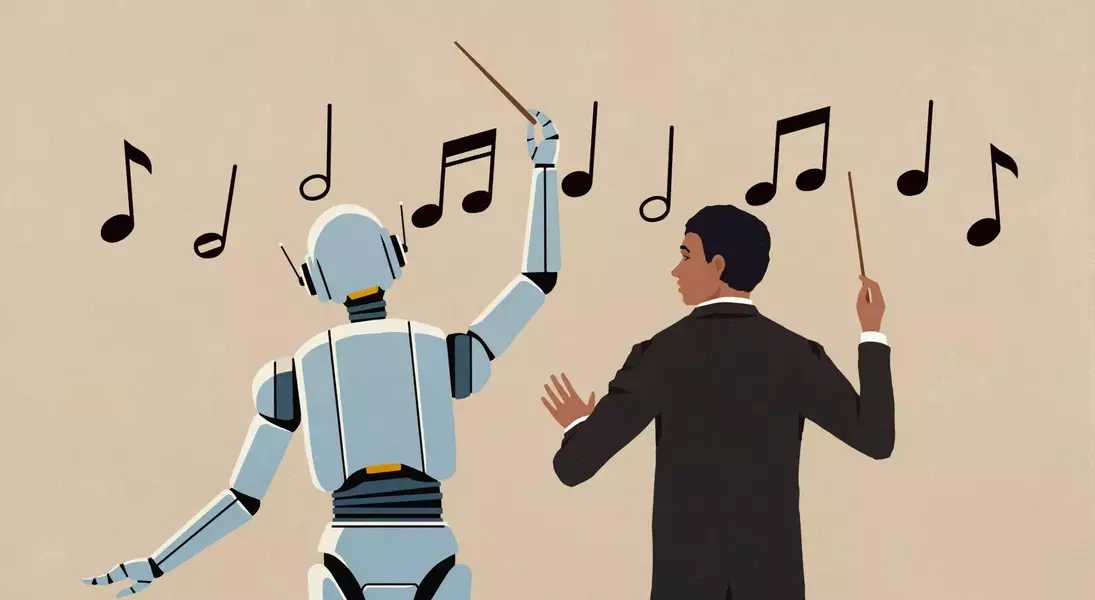
Spotify is set to unveil an innovative AI tool designed to facilitate the creation of remixes and covers, marking a significant step in the integration of artificial intelligence within the music industry. This initiative, developed in partnership with Universal Music Group, aims to reshape how artists and listeners interact with music creation. While promising new avenues for creative expression and artist compensation, the move also sparks debate regarding the future landscape of AI-generated content and copyright adherence.
Spotify's Pioneering AI Music Tool: Collaboration, Compensation, and Concerns
In a groundbreaking announcement, Spotify revealed its plans to introduce an artificial intelligence-driven tool that empowers users to generate unique remixes and covers of their favorite tracks. This venture is underpinned by a pivotal licensing agreement between Spotify and Universal Music Group, ensuring that the AI functionality is exclusively applied to songs from participating artists and songwriters. This collaborative framework is intended to guarantee that creators receive due consent, credit, and financial compensation, addressing a common apprehension surrounding AI in creative fields. Alex Norström, co-CEO of Spotify, emphasized the company's commitment to responsible AI development, stating that the new feature is built upon principles of artist and songwriter consent, acknowledgment, and remuneration.
The AI tool is slated to be an exclusive paid add-on for Spotify Premium subscribers, positioning it as an additional source of income for musicians and lyricists. This strategic move aims to transform fan engagement by enabling a deeper, more interactive relationship with existing music, while simultaneously providing economic benefits to the original creators. However, the introduction of such a tool on a platform that has historically faced criticism for its artist payout structures raises questions among industry observers. The past incident involving "The Velvet Sundown," an AI-generated psych-rock band that garnered significant streams without clear labeling, highlights the complexities of distinguishing human-created content from AI-generated alternatives. Critics are wary that despite the partnership with Universal Music Group, the launch of a generative AI tool could inadvertently encourage an influx of uncredited or illicitly sourced AI music onto the platform. The absence of robust labeling mechanisms for AI content on Spotify, unlike some other music services, fuels concerns that the platform might become a breeding ground for content derived from plagiarized datasets, potentially undermining the very artists it seeks to support.
This initiative represents a pivotal moment for the music industry, showcasing the potential for AI to foster new forms of creativity and revenue, yet simultaneously underscoring the urgent need for stringent ethical guidelines and transparent content identification to protect artistic integrity and intellectual property in an evolving digital age.
