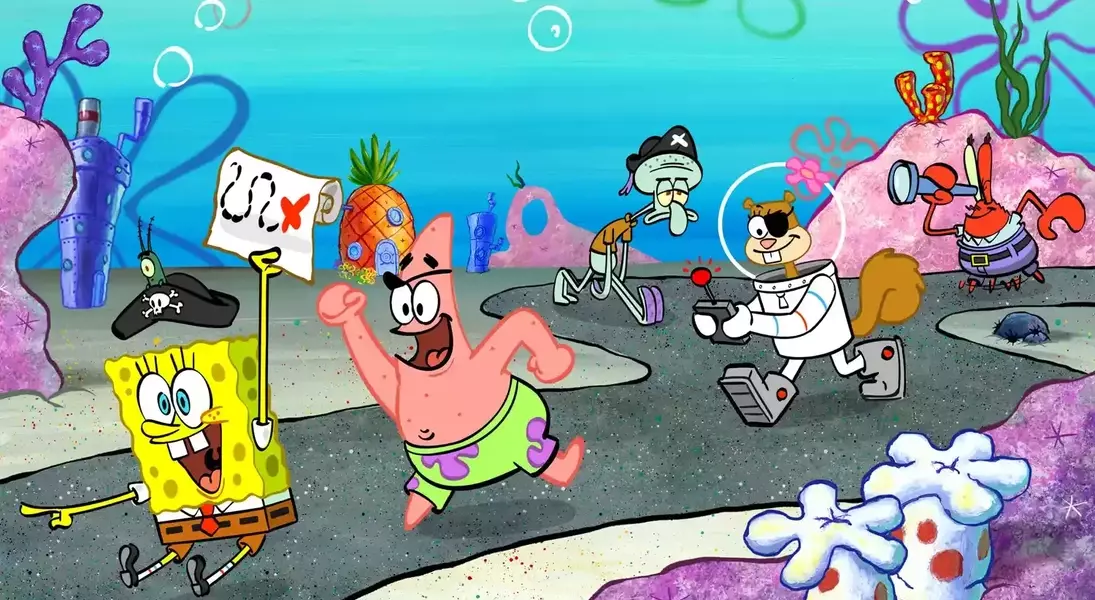
SpongeBob SquarePants, a globally recognized cartoon character, provides young viewers with valuable life lessons on optimism and perseverance. This article explores how SpongeBob's positive outlook, ability to quickly reframe setbacks, and unwavering engagement in challenges can inspire children to develop resilience and a growth mindset. It also highlights the importance of these skills for kids aged 6-11, who are navigating increased independence and facing fears of failure. Parents can foster these traits by praising effort, breaking down goals, and modeling perseverance.
The Cultural Resonance of SpongeBob SquarePants
When the animated series SpongeBob SquarePants first aired on Nickelodeon in 1999, it emerged during a period of significant transformation in television culture. Robert Thompson, founding director of the Bleier Center for Television and Popular Culture at Syracuse University, notes that the era was characterized by a shift towards ambiguous moralities in dramas and ironic humor in sitcoms. In this landscape, SpongeBob's earnest and sincere demeanor offered a refreshing contrast. The show's unique blend of heartfelt humor with sophisticated wordplay and cultural references appealed to both children and adults, creating a broad cultural impact.
SpongeBob's unwavering sincerity provided a refreshing counterpoint to the prevailing cynicism in television at the turn of the century. While other shows delved into complex moral ambiguities and ironic comedy, SpongeBob championed an uncomplicated, positive outlook. This earnest approach, coupled with intelligent humor and subtle cultural references, allowed the show to resonate deeply with a diverse audience. The series successfully balanced childlike wonder with clever writing, demonstrating that genuine enthusiasm and a good-natured spirit could indeed captivate viewers of all ages.
Instilling Optimism and Resilience through SpongeBob
SpongeBob's persistent belief in positive outcomes and his ability to handle adversity are central to his character. Psychologist Caitlin Slavens highlights how SpongeBob consistently approaches challenges with an optimistic attitude, quickly reframes setbacks, and remains engaged even when faced with difficulties. These behavioral patterns offer a powerful model for young children, who are highly impressionable. By observing SpongeBob, kids learn that maintaining a positive mindset is crucial for developing perseverance, enabling them to tolerate the inevitable struggles of learning new skills.
SpongeBob’s portrayal of perseverance is particularly impactful for children aged 6-11, who are in a critical phase of developing emotional regulation skills. During this time, children often face increased independence and a heightened fear of failure. SpongeBob’s willingness to make mistakes, his commitment to his goals despite peer pressure, and his ability to embrace silliness provide valuable lessons. These traits help children navigate disappointment, embarrassment, and frustration, reinforcing the idea that effort and resilience are more important than perfection. Parents can reinforce these lessons by praising effort, guiding children through challenges, and demonstrating their own perseverance.
