Nintendo's latest offering, Splatoon Raiders, promises a refreshing departure from the series' established multiplayer focus, venturing into a rich single-player narrative with enhanced RPG elements. This exclusive title for the Nintendo Switch 2 aims to redefine player expectations by integrating deep customization and progression into the vibrant ink-shooting universe.
Unleash Your Inner Raider: A New Era for Splatoon's Single-Player Universe
The Evolution of Ink Combat: A Fresh Perspective for the Franchise
After a decade of iterating on familiar concepts across three titles, Splatoon Raiders is poised to revolutionize Nintendo's signature multiplayer ink shooter. This installment is being heralded as the series' inaugural true single-player experience, reimagining beloved elements from modes like Splatoon 3's PVE Salmon Run into an entirely new adventure. My initial anticipation, shaped by early trailers, suggested a dungeon-crawling treasure hunt. However, a 90-minute demo revealed a more structured, level-based single-player game, differing from my preconceived notions. This fresh direction, emphasizing Splatoon's core strengths while introducing compelling progression systems, was a pleasant surprise. Players should adjust their expectations, as Nintendo is charting an unexpected course with this Switch 2 exclusive.
Mastering the Ink: Core Mechanics and Innovative Progression
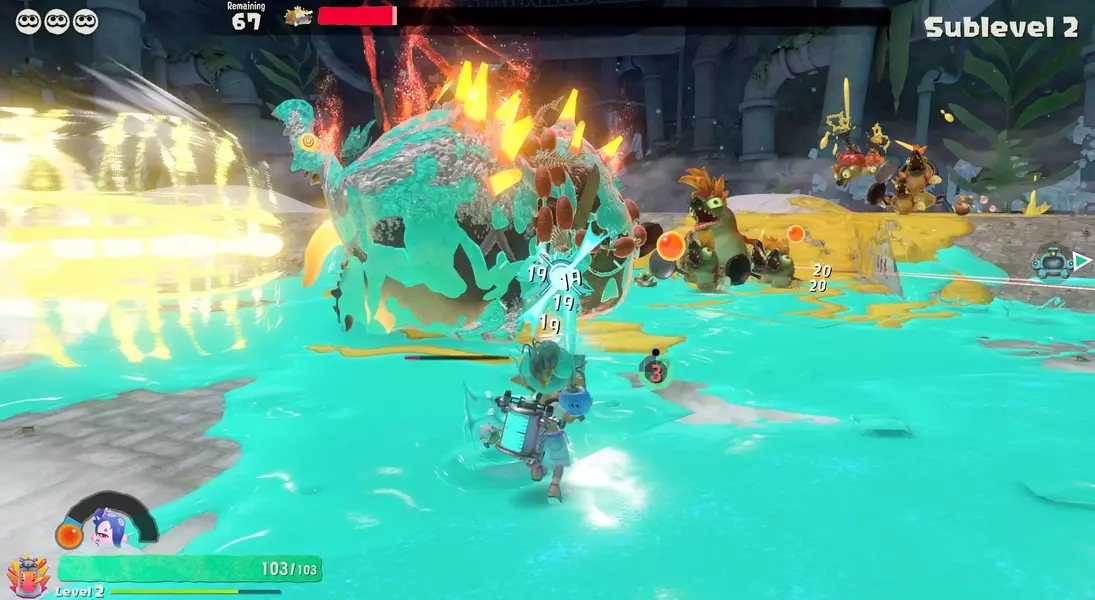
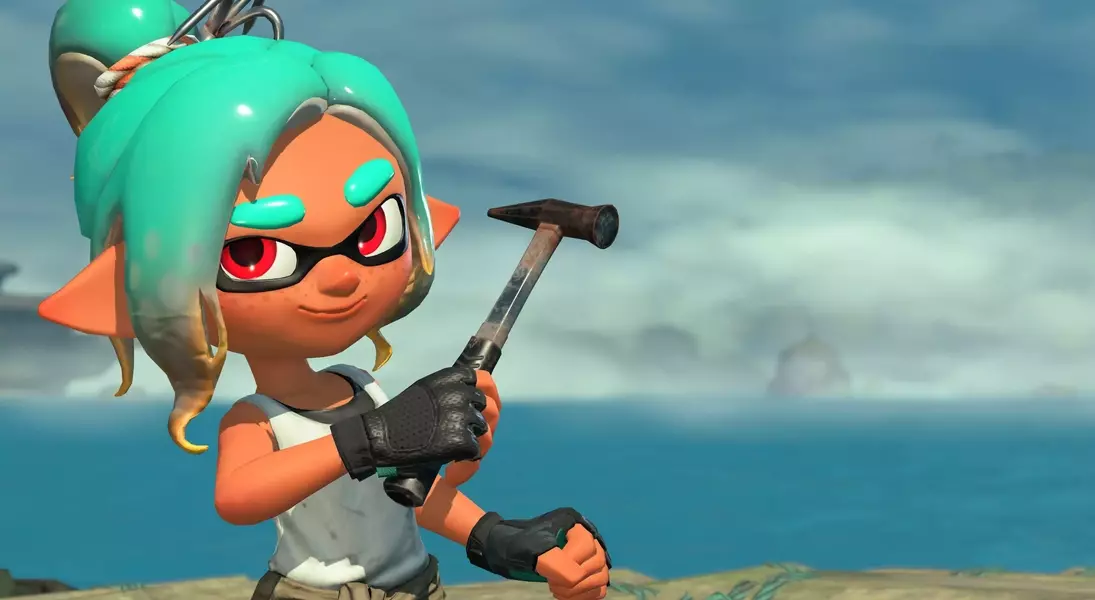
My demo journey began with the first 30 minutes of Splatoon Raiders, encompassing its tutorial and initial levels. For those familiar with the Splatoon universe, the learning curve is minimal; the foundational mechanics of splattering colorful ink and transforming into a squid to navigate through it remain central. Iconic weapons such as Splattershots, Sloshers, Brellas, and Splat Dualies make their triumphant return, as do the formidable Salmonid adversaries from Salmon Run.
Personalized Power: Deep Character Customization and RPG Elements
A key differentiator in Raiders is its extensive character customization and RPG-style progression. This begins with the ink tank, available in three distinct classes: Speed, Power, and Tactical. Each class can be advanced through mission participation, enhancing stats and unlocking permanent skill upgrades via earned tokens. Every tank is equipped with unique gadgets—secondary abilities operating on a cooldown. For instance, the Tactical Tank offers a stationary turret and a damaging tether, while Speed tank users can deploy a jumping slam and a boomerang attack, affectionately dubbed 'Booyarang.' Players can equip two gadgets simultaneously, with additional options craftable from materials acquired during missions.
Strategic Arsenal: Weapon Mods, Ultimate Attacks, and Synergistic Builds
Gadgets can be further enhanced with mods obtained during missions, significantly boosting their effectiveness. My personal favorite Power gadget, Splattelites, temporarily enveloped my Inkling in a ring of damaging paintballs. By optimizing its duration, I could confidently execute a close-range strategy with my Slosher. Furthermore, players can select one of three ultimate attacks, each inspired by the members of Deep Cut, the pop band assisting in the treasure hunt. My preferred choice summoned a colossal shark, capable of tearing through enemies in a direct path.
The Looter Shooter Experience: Power Growth and Fashion Considerations
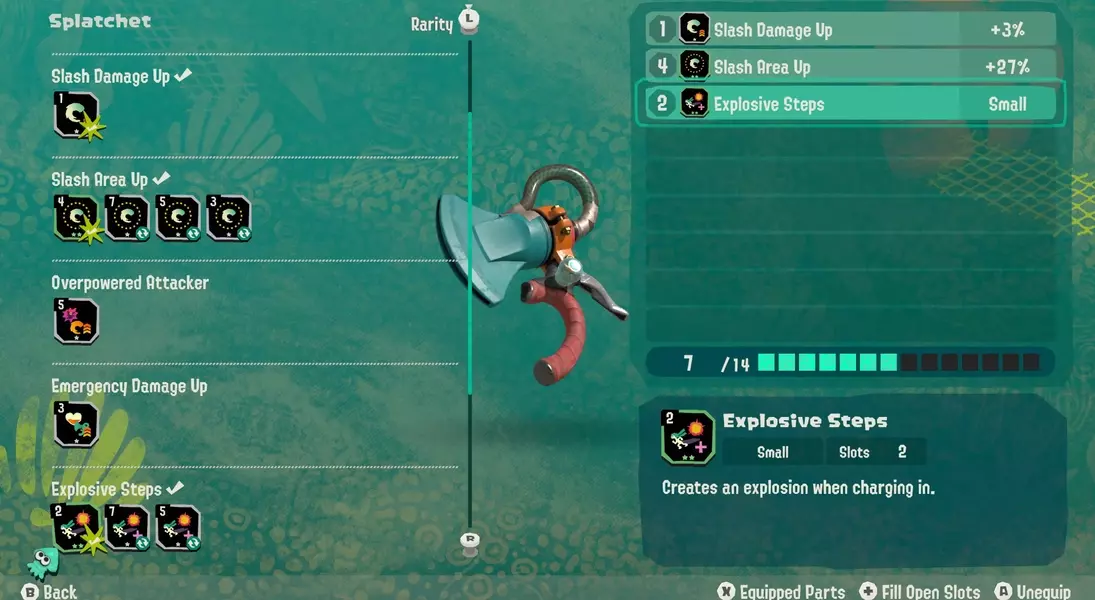
Coupled with over 100 weapons, each featuring varying levels and unique perks dropped by enemies, Raiders offers immense potential for mix-and-match builds. The game effectively transforms Splatoon into a looter shooter, prioritizing power development and synergistic combinations. This premise is particularly exciting for four-player co-op, envisioning teams collaborating to craft complementary builds for seamless progression through the campaign's concise levels. The only area lacking is fashion customization; players are limited to unlocking a few complete outfits rather than individual clothing items. This is a notable omission, as fashion has always been integral to Splatoon's identity, on par with gear selection.
Mission Variety: From Puzzle Platforming to Combat-Focused Engagements
The structure of levels in Raiders diverges from Splatoon 3's solo campaign. While Splatoon 3 emphasized puzzle platforming, Raiders adopts a more combat-centric approach. Early missions involved traversing islands to drill crystals with a robot companion, typically requiring the defeat of enemy waves. Although some platforming elements persist—such as launching off the robot, gliding over gaps via wind currents, and ascending tall vines—the primary focus in the missions I experienced was action. These missions displayed considerable variety, ranging from linear treasure hunts to more open-ended explorations demanding the collection of Power Eggs. One particularly enjoyable level served as a weapon challenge, providing a specific loadout with an ink-turret gadget and guiding me through its tactical applications. Across all missions, opportunities arose to acquire random weapons, scattered lore, experience points, and crafting materials.
The Raid Experience: Arena Challenges and Procedural Generation Hopes
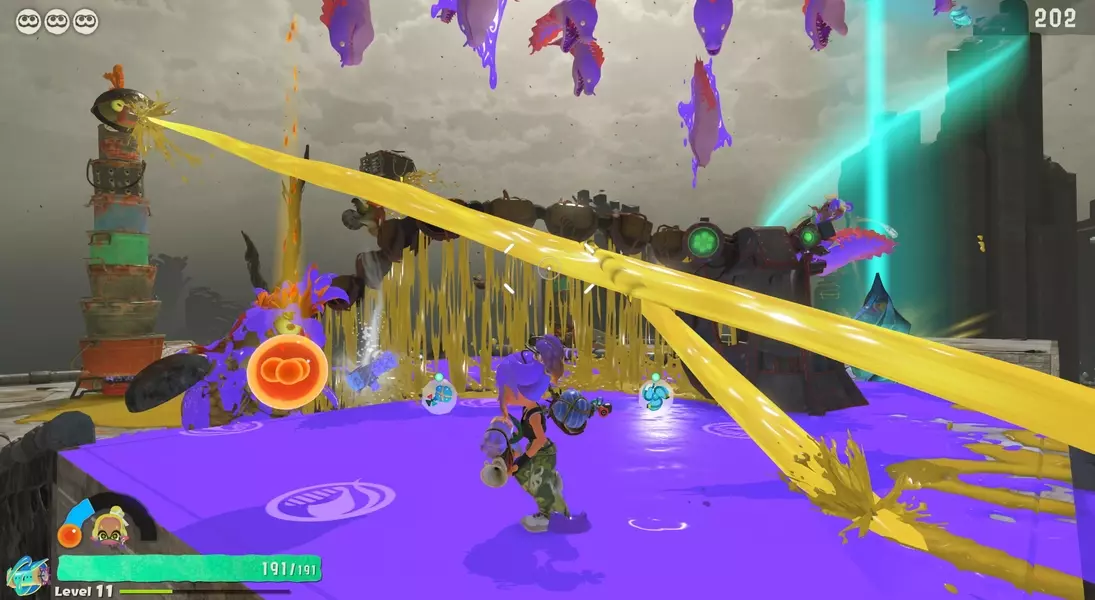
The raid missions, though potentially misleading in their presentation, offer a distinct challenge. While they might appear as an evolution of Splatoon 3's Side Order roguelite mode and Salmon Run, they are not precisely either. These are straightforward levels where players advance across arena floors, splatting enemies and collecting sufficient Eggs within a time limit to proceed. Prioritizing larger Salmonids like Steel Eels and Stingers yields more Eggs, but strategic thinning of Lesser Salmonid herds and inking the ground are crucial to avoid being cornered. I did not encounter any extended raids or procedurally generated modes that would allow for sustained grinding, akin to Salmon Run, during my demo. I remain hopeful that such features exist, as the brevity of the levels I played left me desiring more opportunities to fully leverage the four-player co-op potential. Having dedicated over 100 hours to Splatoon 3, I anticipate yearning for additional reasons to team up with friends and farm for gear.
A Distinct Vision: Standalone Campaign and Future Implications
Perhaps my desire for extensive grinding is misaligned with Splatoon Raiders' explicit intent. Nintendo is primarily positioning this as a single-player Splatoon experience, not merely a solo mode appended to a long-running multiplayer service. The missions I played reinforce this, presenting a level-based campaign that feels substantial as a concise standalone game. For players overwhelmed by Splatoon 3's abundant content, Raiders might offer a more approachable entry point to the series. Regardless of its ultimate reception, I anticipate that its innovative buildcrafting system will significantly influence Splatoon 4, as such ingenious tinkering is too valuable to sidelin
