
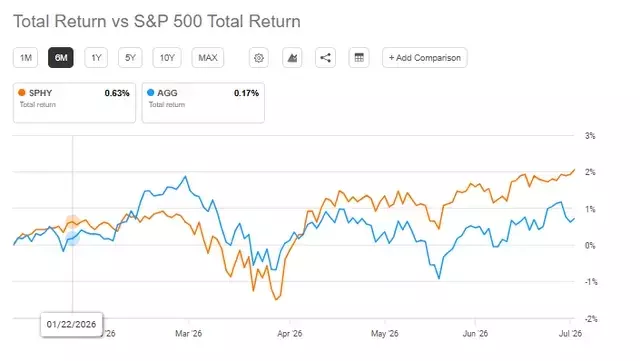
The State Street SPDR Portfolio High Yield Bond ETF (SPHY) stands out in the high-yield bond market due to its attractive yields and remarkably low expense ratio. This ETF provides investors with exposure to a broadly diversified portfolio of U.S. dollar-denominated sub-investment-grade corporate debt. While offering a competitive yield and efficient cost structure, SPHY also presents specific risks related to credit spread dynamics and sector concentration. Understanding its construction, advantages, and potential drawbacks is crucial for investors considering this fund for their fixed-income allocations.
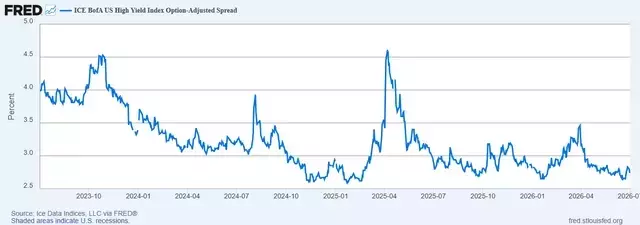
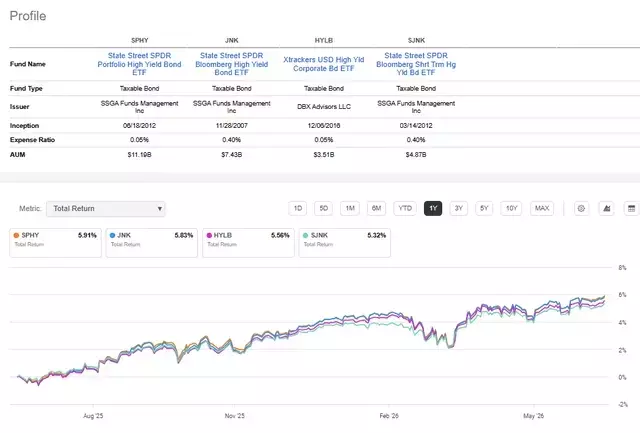
SPHY aims to track the performance of the ICE BofA US High Yield Index through a sampling replication strategy. Its low expense ratio of 0.05% significantly undercuts many peers, contributing to its strong market reception, evidenced by its substantial assets under management. The fund's short duration profile lessens its vulnerability to interest rate fluctuations, making it an appealing choice in an environment where rate changes are a concern. However, its performance is highly sensitive to changes in option-adjusted spreads (OAS), which, if widened significantly, could negatively impact its price. Furthermore, a notable concentration in the consumer cyclical sector introduces an element of industry-specific risk. Despite these considerations, SPHY's robust diversification and yield efficiency make it a noteworthy option for investors seeking enhanced income from the high-yield segment of the bond market.
Understanding SPHY: Structure and Performance Factors
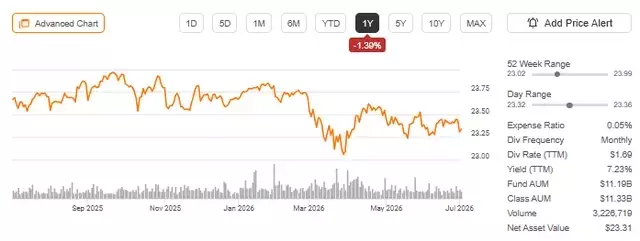
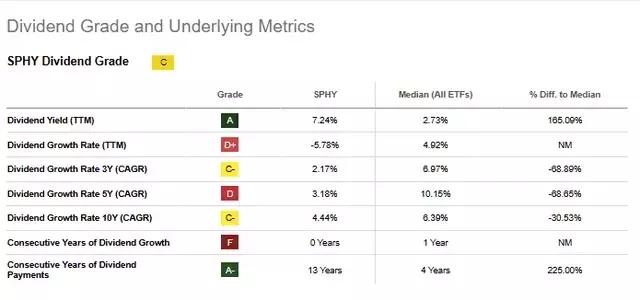
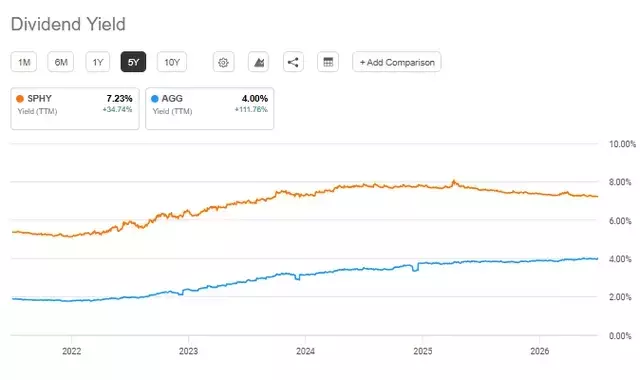
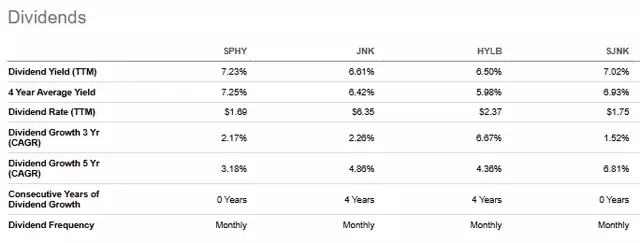
SPHY is designed as a passive exchange-traded fund that replicates the ICE BofA US High Yield Index, which represents U.S. dollar-denominated corporate debt below investment grade. Its operational efficiency is highlighted by an exceptionally low expense ratio of 0.05%, positioning it as one of the most cost-effective options in its category. This cost advantage, combined with a 30-day SEC yield ranging from 6.99% to 7.10%, makes SPHY particularly attractive for investors seeking high income from the bond market. The fund employs a sampling replication method, selecting a subset of securities to mirror the index's risk and return characteristics, primarily focusing on U.S. high-yield corporate bonds with at least 18 months to maturity at issuance. Its substantial assets under management of approximately $11.08 billion reflect its positive market reception and effectiveness in delivering competitive returns.
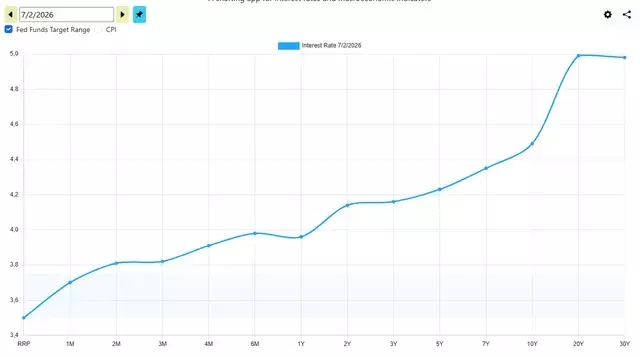
A key aspect of SPHY's design is its short duration, typically between 2.7 and 2.9 years. This feature minimizes its sensitivity to changes in interest rates, offering an advantage over longer-duration investment-grade bond funds such as AGG, which has a duration of nearly six years. The fund's return generation is largely dependent on 'carry,' although its rolldown potential is currently minimal due to a flat yield curve below five years. This implies that SPHY's price performance could benefit more from a steepening yield curve rather than a flattening or inverted one. While its contained duration protects against rate hike expectations, SPHY remains more susceptible to fluctuations in credit spreads. A widening of the option-adjusted spread (OAS) by 100 basis points, for instance, could lead to a price decline of about 2.74%, though this impact might be offset by its attractive coupon payments. This sensitivity to credit risk, alongside its efficient cost and yield, defines SPHY's investment profile.
Risk Landscape and Competitive Edge
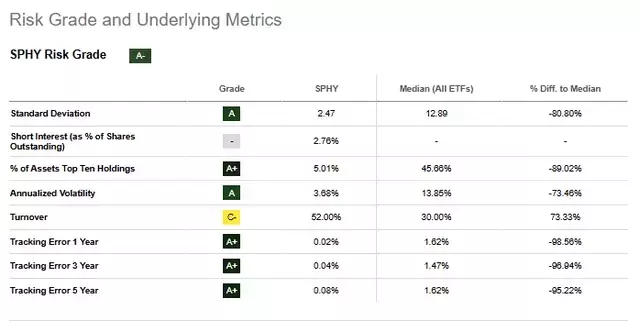
Despite its attractive yield and low costs, SPHY carries inherent risks that investors must consider. The primary concern revolves around its sensitivity to credit spread compression or repricing. If the option-adjusted spread (OAS) were to widen significantly, for example, by 115 basis points to align with historical averages, SPHY could experience a price decline. However, this potential loss might be mitigated by the fund's robust coupon payments, which are currently in the 7% range. A more extreme widening of the spread, such as 240 basis points, could potentially negate the fund's overall performance. This scenario is most likely to materialize during periods of economic contraction or increased credit default risk, which would impact the value of its underlying sub-investment-grade bonds. SPHY's annual volatility remains relatively low at less than 4%, with a standard deviation of 2.47 points, indicating that while credit events can pose a risk, they typically manifest within a manageable range.
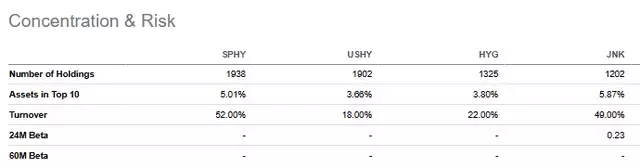
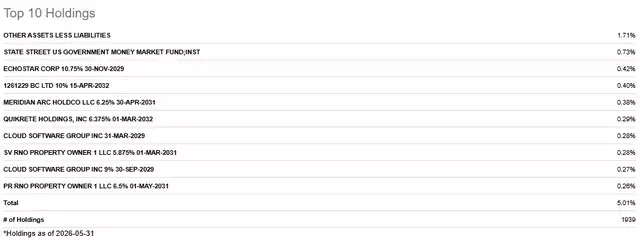
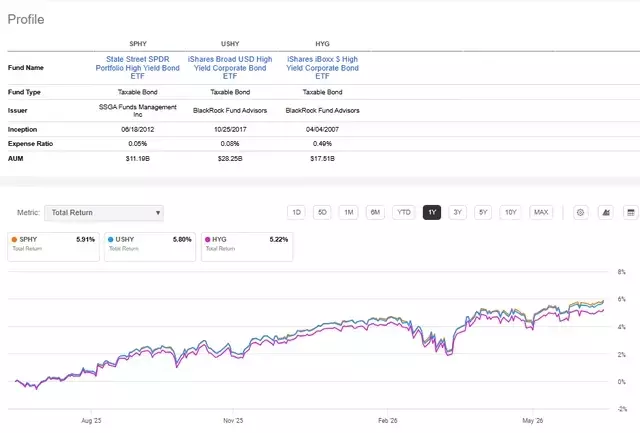
In the competitive landscape of high-yield bond ETFs, SPHY distinguishes itself through its superior cost efficiency and yield. It consistently offers one of the highest yields among its peers, making it a compelling choice for investors focused on maximizing carry per unit of duration. The fund's broad diversification across approximately 1,904 holdings, with the top 10 positions collectively accounting for only 4.02% of the fund, further mitigates idiosyncratic risks. While the portfolio's credit quality is skewed towards BB-rated bonds (over 55%), and a significant portion (60%) is concentrated in the 3-7 year maturity range, its sector allocation shows a notable concentration in consumer cyclical (17-19%), followed by communications and energy. This sector concentration, along with a relatively high annual turnover of 52% for a passive fund, necessitates careful monitoring. Nevertheless, SPHY's combination of low expense, high yield, and extensive diversification positions it as a strong contender for investors seeking a risk premium in the fixed-income market.
