
Quantic Dream, renowned for narrative-driven titles, ventures into the multiplayer arena with Spellcasters Chronicles, a game that fuses action-strategy with familiar MOBA mechanics. This early look explores its innovative features, identifies its challenges, and assesses its potential to carve out a niche in the crowded online gaming landscape.
Unleash Magic and Mayhem: A New Multiplayer Experience Unveiled
A Familiar Foundation with Unique Enchantments
Spellcasters Chronicles, the upcoming multiplayer endeavor from Quantic Dream, bears a striking resemblance to the venerable League of Legends. While the developers categorize it as an "action strategy" title, its core design is undeniably built upon the established MOBA framework popularized by Riot Games. A recent hands-on preview provided insights into how this game distinguishes itself from other multiplayer offerings, blending conventional elements with some innovative twists.
Mastering the Arcane: Character Abilities and Strategic Choices
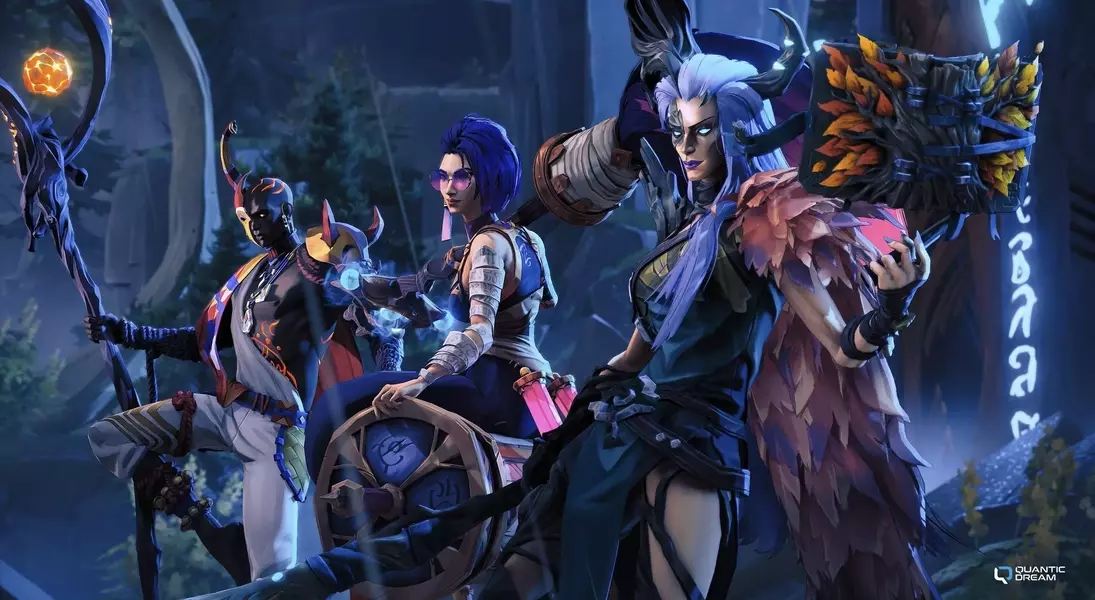
In Spellcasters Chronicles, teams of three combatants vie for dominance over multiple zones and strategic locations on the map. Each character boasts a distinct set of powers, along with access to various upgradable skills throughout a match. Crucially, players select from two predefined "spell decks" before the game commences. These skills typically fall into offensive or defensive categories. The final version promises extensive deck customization, a feature that, based on initial testing, is much needed, as the default configurations often felt unbalanced.
The Epic Scale of Summoning: A Game-Changing Mechanic
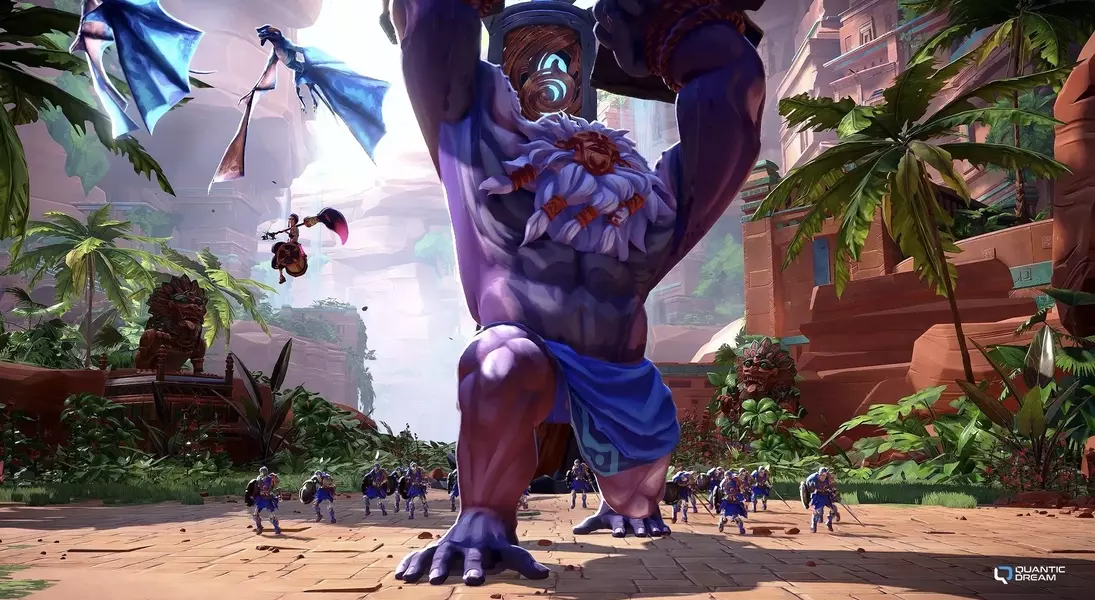
As a match progresses, a secondary skill meter begins to fill for each character, culminating in the ability to conjure a colossal creature onto the battlefield. These gigantic entities lumber across the map, inflicting significant damage and dramatically shifting the tide of battle. These moments of titanic confrontation inject a thrilling dynamic into the otherwise standard ebb and flow of capturing and defending objectives, providing much-needed strategic interruptions.
Strategic Spellcraft: Adapting to the Flow of Battle
Each character is equipped with two distinct spellbooks, effectively skill trees, that dictate their available abilities for the duration of a match. Effective team synergy is paramount, as coordinated spell selection is vital for securing victory. During an early play session, a sorceress character utilizing a support minion spell branch proved ineffective when teammates were absent, leaving only minor healing magic and a basic attack against formidable foes. However, a subsequent round with a different character and a poison-focused spellbook, which granted multiple charges upon leveling up, offered more robust offensive options and an endless supply of skeletal warriors, though their undirected nature limited their tactical utility.
Refining the Experience: Pacing and Control Challenges
Initial impressions suggest that Spellcasters Chronicles currently feels somewhat overextended. Matches, lasting approximately 25 minutes, only truly gain momentum after the initial 10-15 minutes. The intermediate areas of the map remain largely barren until loot chests appear midway through. When multiple colossal creatures are active, the sheer chaos can make it difficult to discern individual contributions or strategize effectively for subsequent rounds. A more condensed match duration with fewer, yet more impactful, choices could significantly enhance player engagement and re-playability.
The Untamed Minions: A Call for Improved Command
A potentially significant design hurdle lies in the current inability to precisely control or direct summoned units. While Spellcasters Chronicles hints at real-time strategy elements, it lacks the necessary tools to implement them smoothly. Players are encouraged to deploy all their minions early on, even when territory is limited. Most creatures follow their summoner, albeit slowly and without direct command, while others, like the skeleton-spawning mausoleum, remain stationary. This inflexibility makes it impossible to re-route an early-game undead army to a contested lane later or to guide mobile spirit warriors where they are most needed.
Navigating a Competitive Landscape: A Promising Niche
As this marks the first public demonstration of Spellcasters Chronicles, some rough edges are to be expected. The development team has indicated openness to adjusting match durations based on beta feedback. The game's appeal, however, may ultimately hinge on its less punishing design compared to more intense MOBAs like League of Legends or even Pokemon Unite. Its departure from the conventional MOBA formula as a direct source of inspiration is a unique selling point. Whether this distinctive approach is sufficient to ensure its success in a highly competitive market remains to be seen, but it certainly offers enough intrigue to warrant continued interest.
