A groundbreaking study reveals a connection between the amount older adults speak during their day and their cognitive performance, particularly in areas such as working memory and processing speed. Researchers employed an innovative approach to monitor real-life speech patterns objectively, offering new insights into how social interactions influence cognitive health in aging populations. By focusing on everyday speech, scientists have identified specific cognitive abilities that correlate with increased verbal engagement.
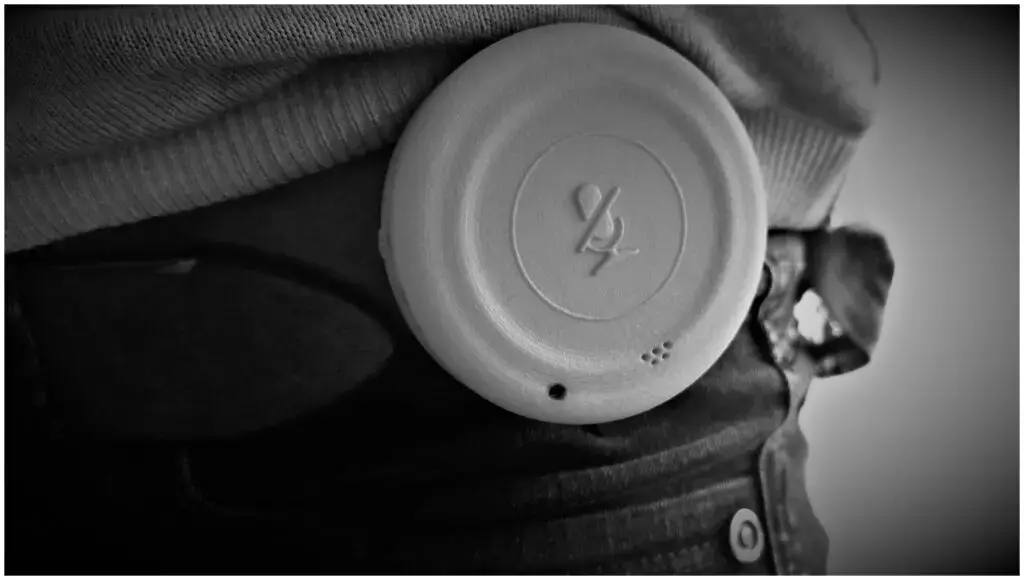
Traditional methods for assessing social activity often rely on self-reported data, which can be unreliable due to biases or memory lapses. To address this limitation, the research team utilized wearable technology to capture authentic speech samples from participants over an extended period. Participants wore small recording devices capable of capturing brief audio snippets throughout the day. Advanced machine learning algorithms then processed these recordings to determine each individual's "speech ratio," reflecting the proportion of time spent talking. This data was subsequently analyzed alongside results from various cognitive assessments conducted in a laboratory setting.
The findings indicate that higher levels of working memory, processing speed, and semantic fluency are associated with greater daily speech output among older adults. Sociodemographic factors also played a role; notably, individuals with partners tended to engage in more conversation than those without. Interestingly, subjective hearing ability did not align with expectations, as better-rated hearing corresponded with less speaking. These discoveries underscore the importance of considering both cognitive and social elements when examining communication behaviors in later life. The study further suggests that leveraging cutting-edge technologies can enhance our understanding of human cognition and behavior beyond traditional lab settings.
As society continues to age, fostering environments that promote active communication could play a crucial role in maintaining mental agility. Encouraging meaningful interactions may not only enrich personal relationships but also contribute positively to cognitive vitality. Future research aims to expand upon these findings by exploring long-term dynamics between social engagement and cognitive abilities while refining measurement techniques. Ultimately, such efforts hold promise for developing interventions designed to support healthy aging through enhanced social participation.
