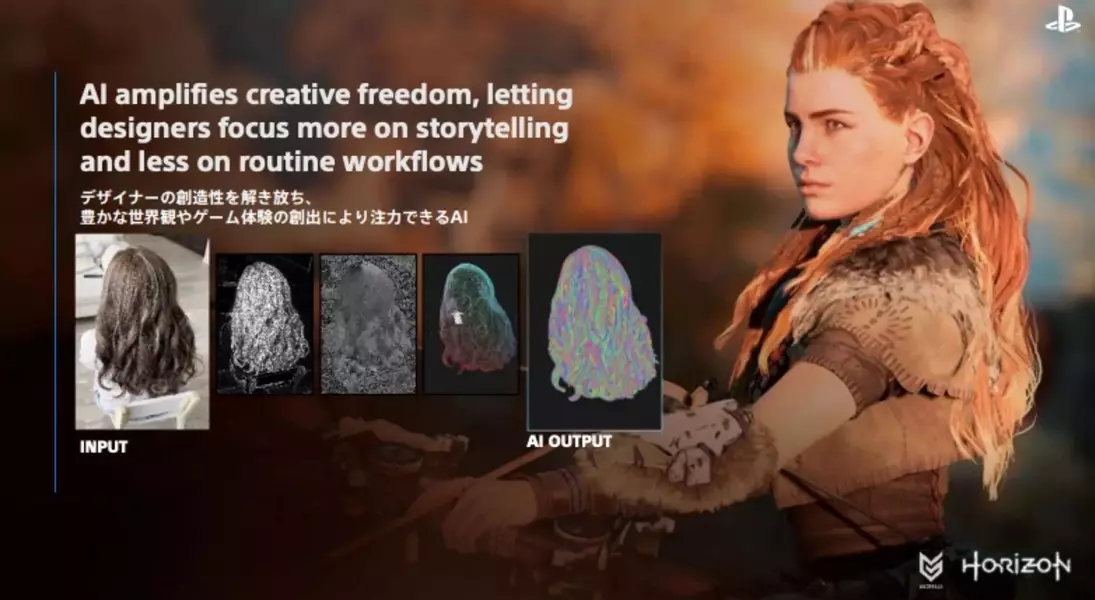
Sony's recent strategic briefing unveiled a future deeply intertwined with artificial intelligence. The company's CEO, Hiroki Totoki, articulated a vision where AI serves as a powerful accelerator for innovation, enabling the creation of more ambitious and engaging gaming experiences. While emphasizing that AI is intended to augment, rather than replace, the skills of human artists and developers, the integration of advanced tools like 'Mockingbird' for facial animations and AI models for complex tasks such as hair physics points to a significant shift in production methodologies. This strategic direction aims to free up development teams from repetitive tasks, allowing them to focus on crafting richer game worlds and deeper gameplay mechanics, ultimately promising unparalleled immersion for players.
Sony's AI Integration in Game Development: Enhancing Creativity and Efficiency
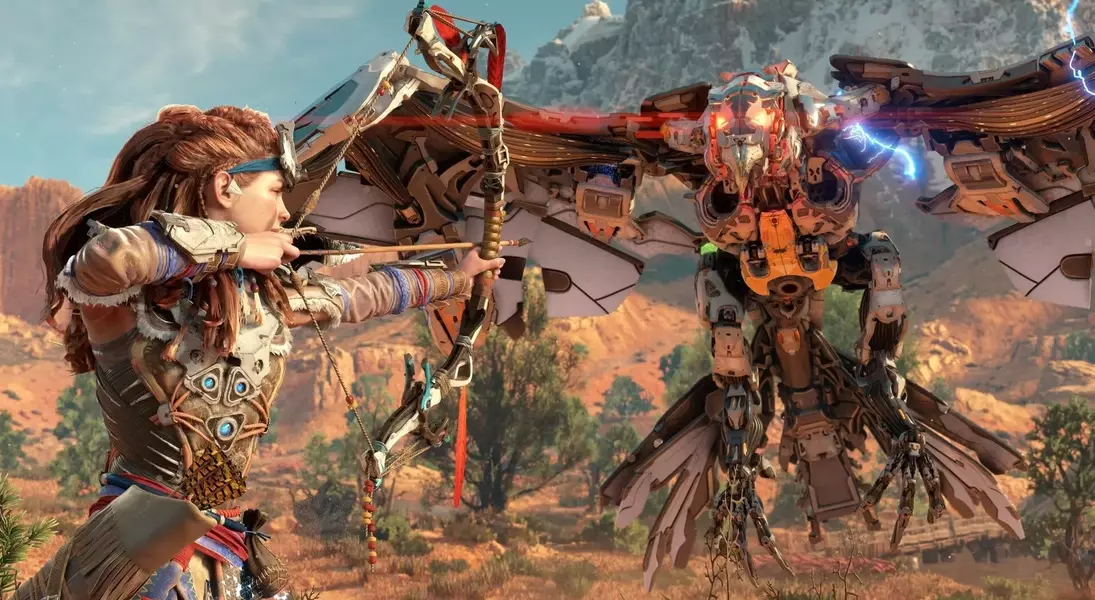
During a pivotal earnings call, Sony's CEO, Hiroki Totoki, outlined the strategic role of artificial intelligence in the company's future. Totoki highlighted that AI is not intended to displace human talent but to amplify creators' capabilities, paving the way for more groundbreaking and expansive projects. For instance, an internal tool named 'Mockingbird' has already been instrumental in automating realistic facial animations based on performance capture data, a technique successfully implemented in 'Horizon Zero Dawn Remastered'.
Furthermore, Sony is leveraging AI to simplify labor-intensive processes, such as animating hair, which traditionally demands considerable effort. Totoki asserted that by automating such tasks, development teams can reallocate their valuable time to concentrate on developing more intricate worlds and compelling gameplay for their audience. The company is also exploring AI-driven prototypes for non-player characters (NPCs) imbued with unique personalities, designed to foster a more dynamic and vibrant in-game environment for players to explore. This commitment, while promising greater immersion, raises questions among industry observers regarding its long-term implications for creative roles.
The increasing reliance on AI in game development presents a dichotomy between efficiency gains and potential creative stagnation. While AI tools can undoubtedly streamline tedious processes and free up developers for more imaginative endeavors, there's a nuanced concern that over-optimization could inadvertently stifle the serendipitous discoveries and artistic flourishes often born from manual experimentation and iterative design. Historically, some of gaming's most beloved innovations have emerged from developers pushing boundaries, even within technical constraints. Sony's strategy, though framed as augmentation, warrants careful monitoring to ensure that the pursuit of speed and scale does not inadvertently diminish the unique creative spirit that defines truly memorable gaming experiences.
