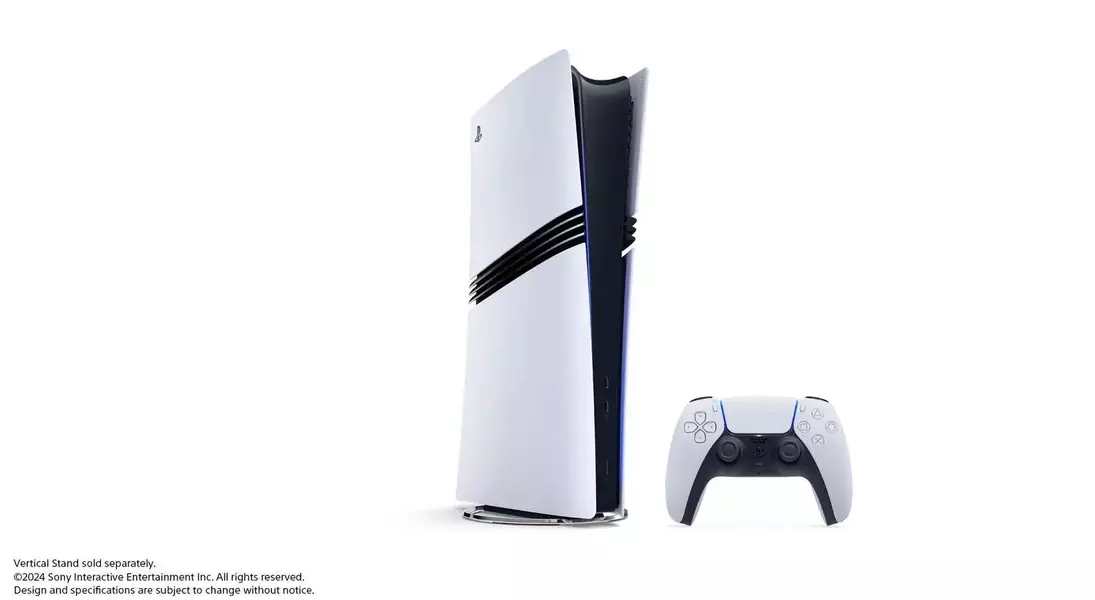
Sony's strategic move to cease the production of physical PlayStation game discs by 2028 signifies a pivotal moment in the video game landscape, mirroring and accelerating broader industry trends towards digital content. This development is not an abrupt change but rather a culmination of shifts that have been reshaping how games are distributed and consumed for over a decade. The transition, as analyzed by industry experts, positions Sony to optimize profitability within a changing consumer demographic, allowing for enhanced control over pricing and product accessibility, a model that contrasts with traditional physical media distribution.
The announcement regarding the discontinuation of physical PlayStation games was strategically timed by Sony, appearing just before Microsoft disclosed significant layoffs within its Xbox division. This timing, while potentially calculated for competitive reasons, also served a practical purpose: it provided Sony's partners with an eighteen-month window to adjust their operations. In a swift response, Sony initiated the repurposing of its last PlayStation disc manufacturing facility, re-training its 300-strong workforce for the production of optical microlenses. This facility, which previously produced approximately 600,000 discs annually, with half dedicated to PlayStation orders, underscores the diminishing scale of physical game manufacturing.
This shift is a micro-representation of the broader market dynamics for physical game media. While a demand for physical games persists, driven by collectors and preservationists, it constitutes a significantly smaller segment compared to digital sales, a trend that has been evident for an extended period. Industry analyst Mat Piscatella noted that physical game purchases have steadily declined over the past decade. Nintendo platforms currently lead in physical game sales, while Xbox is largely digitally focused. Sony occupies a middle ground, leaning heavily towards digital distribution more so than Nintendo.
Economically, physical game sales are less lucrative for platform holders. A detailed analysis from 2020 by Kantan Games CEO Serkan Toto highlighted that publishers typically earn $45.50 from a first-party game sold at retail and $35 from a third-party retail game. In contrast, a first-party digital game sold at $70 generates the full $70 for the publisher. This substantial difference, roughly $25 per sale, is a key driver behind Sony's decision to move away from physical media. By eliminating physical production, Sony can maximize profits from its consumer base, which, according to Piscatella, is becoming older and more affluent. Younger generations are increasingly opting for more accessible and lower-cost games on mobile and PC platforms, indicating a growing barrier to entry for console gaming due to rising hardware and content prices.
Nintendo stands out as the only console manufacturer to consistently engage younger audiences successfully. Nintendo's strategy includes variable pricing across its digital storefront, offering remakes and non-core games at reduced prices while reserving higher price points for flagship titles. Sony's transition to a purely digital model could enable similar pricing flexibility and complete control over game distribution, eliminating trade-ins and resales. This move, while potentially risky, is rooted in financial calculations concerning revenues, costs, margins, and digital conversion rates. Its success will ultimately depend on consumer acceptance.
In the interim, the overall presence of physical games is expected to diminish. While Microsoft might introduce a peripheral for disc reading, and niche publishers like Evercade continue to support physical media, the future of physical game formats, particularly for multi-platform titles, remains uncertain. The sales performance of major titles like 'GTA 6' will be a key indicator for retailers on whether to continue stocking physical versions. However, Nintendo is anticipated to maintain its investment in physical media production throughout the lifecycle of the Switch 2, likely extending into the 2030s, serving as a counter-example to the industry's digital-first momentum.
