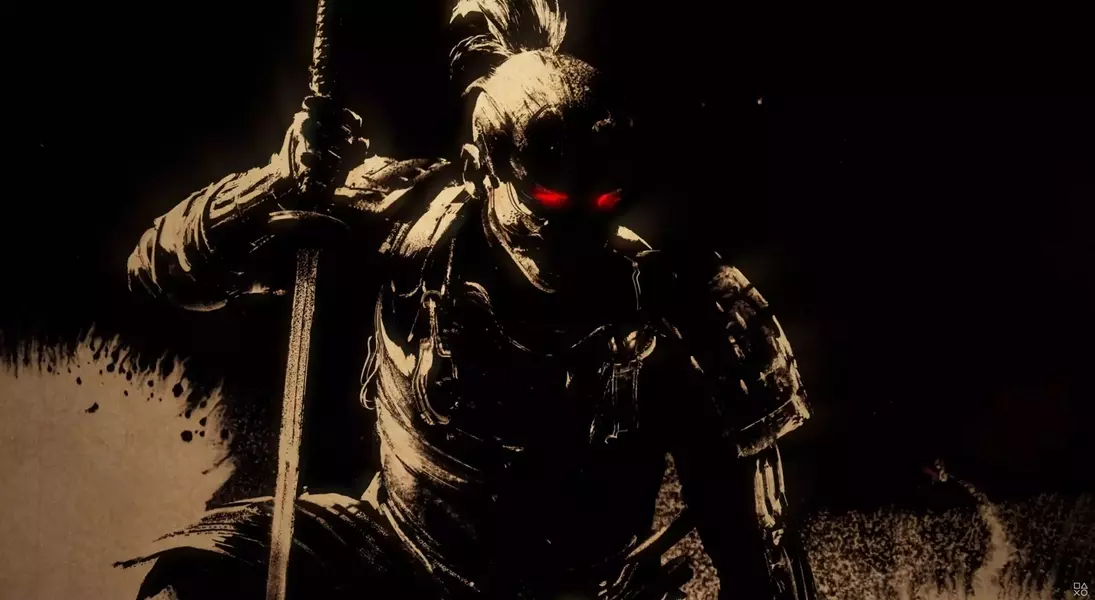
Sony, traditionally known for its reserved and business-like public persona, finds itself at a crossroads. Unlike its competitor Xbox, which frequently engages with its audience through outspoken executives, Sony has largely maintained an inscrutable and monolithic brand image, a strategy cultivated since the tumultuous E3 2006. This week's State of Play broadcast highlighted this tension, presenting a balanced showcase of upcoming games and updates, yet failing to address the growing unrest among its dedicated fanbase.
The recent State of Play offered a diverse array of content, from significant updates for anticipated titles and intriguing indie reveals to genuine surprises and a deeper look at future blockbusters. The broadcast also flowed seamlessly into State of Play Japan, reinforcing PlayStation's Japanese identity with features on games like Gundam Rogue Orbit and Konami's unique jazz-themed action game, Rhapsody in Scarlet. This niche and somewhat nerdy approach suggested a deliberate reclamation of its roots, perhaps influenced by Sony's broader push into anime and manga. However, the decision to commence the showcase with a movie promotion, while potentially indicative of a lighter game lineup, also showcased gaming's growing influence on Hollywood, underscoring that the film industry now seeks not only gaming IP but also the power of its audience.
Despite these efforts, the presentation did little to quell the rising tide of fan dissatisfaction. Live comments during the broadcast were dominated by protests against Sony's decision to cease production of physical game discs and its controversial legal arguments regarding digital game ownership. Fans also voiced concerns over the perceived mishandling of Bungie and live-service games, with calls for Destiny 3 echoing a deeper political discontent. Sony's consistent strategy of ignoring these protests, hoping they will dissipate, may prove unsustainable. While the impending release of Grand Theft Auto 6 is expected to bring substantial revenue regardless of fan sentiment, the company risks alienating its community further if it does not acknowledge their grievances. Fans are seeking any indication that their voices are heard and that Sony cares about their disappointment. Acknowledging this unrest, even briefly, might be crucial for Sony to navigate its current public relations challenges and avoid more severe repercussions.
In an era where consumer engagement and transparency are increasingly valued, Sony's steadfast silence may no longer be a viable long-term strategy. The gaming community, passionate and vocal, seeks genuine connection and acknowledgment from the companies they support. By demonstrating a willingness to engage with constructive criticism and acknowledge fan concerns, Sony can not only rebuild trust but also foster a more robust and loyal community. This openness can transform challenges into opportunities, leading to innovations that truly resonate with players and uphold the company's legacy as a leader in interactive entertainment.
