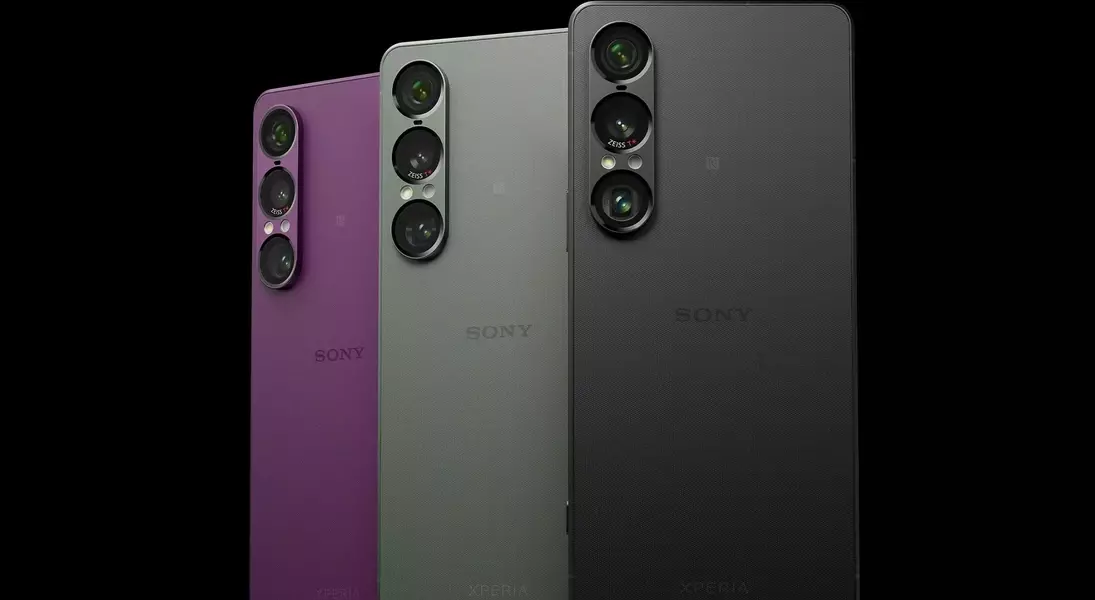
Sony's dedication to its Xperia smartphone line has been reiterated by CFO Lin Tao, who emphasized the division's importance to the company's core operations. This comes despite a notable reduction in the brand's global footprint, including its disappearance from certain major markets. The affirmation of commitment contrasts with recent decisions that have seen Sony step back from in-house phone manufacturing and narrow its product offerings. The past year has been particularly challenging for the Xperia series, marked by production difficulties and a dwindling market share, especially in what were once strongholds like Japan. The company's persistent assertion of Xperia's strategic value, even as its commercial presence wanes, raises questions about the long-term vision for this segment of Sony's electronics empire.
The declaration from Sony's finance chief, Lin Tao, during a recent financial presentation, underscored a continued strategic interest in the Xperia mobile phone range. This stance is maintained even as the company's actions in the smartphone sector appear to tell a different story. For instance, the two most recent flagship models in the Xperia 1 series have bypassed the United States market entirely, and similar retrenchments are observed across European territories. Furthermore, Sony has divested from directly manufacturing its own phones, opting for external production, a significant change in operational strategy. The once-diverse Xperia 5 lineup, offering more compact devices, was discontinued two years ago, and there has been no indication of a successor to the more budget-friendly Xperia 10 VI. Adding to these challenges, the latest Xperia 1 VII model faced substantial quality control issues, necessitating a sales halt and product recalls due to manufacturing defects.
Historically, Sony's Xperia division held significant sway in its home market of Japan, contributing substantially to its relevance within the mobile industry. However, recent reports from financial news outlets suggest that this domestic advantage has eroded, with Sony's market share in Japan experiencing a notable decline. Given these setbacks—a shrinking international presence, outsourcing of production, curtailment of product lines, and quality control problems—the continued insistence on Xperia's "very important" status becomes perplexing to market observers and consumers alike. The evolving landscape of the smartphone industry, dominated by a few major players, makes it increasingly difficult for niche brands like Xperia to carve out a profitable space. This situation prompts speculation on the specific, perhaps non-obvious, strategic benefits Sony continues to derive from its mobile phone ventures, or if this public stance is an attempt to reassure investors and preserve brand value amidst significant operational shifts.
In essence, while Sony's leadership vocally reaffirms the strategic importance of its Xperia smartphone business, the company's recent operational adjustments and market performance reflect a challenging period. The retreat from key markets, delegation of manufacturing, and streamlining of product lines signal a cautious, perhaps contracting, approach. Despite these indications, Sony's public commitment suggests underlying long-term objectives for the brand, possibly linked to technological synergies with other successful Sony divisions or a commitment to maintaining a presence in the competitive mobile technology space, however reduced that presence may be.
