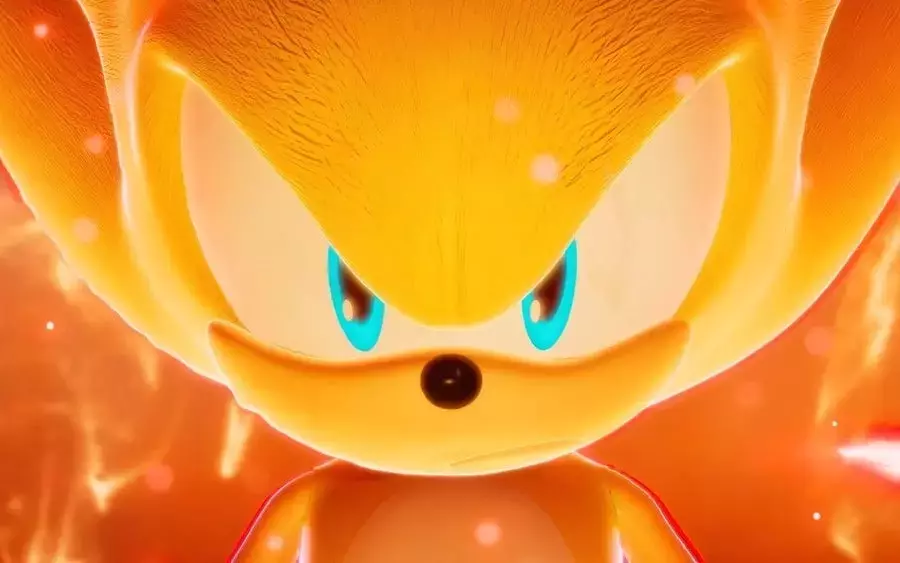
Digital Foundry has meticulously reviewed the recently launched Sonic Frontiers: Definitive Edition on the Switch 2. This updated release, coinciding with Sonic the Hedgehog's 35th anniversary, presents a mixed bag of significant technical improvements alongside a few noticeable shortcomings. While not an flawlessly optimized transfer, the enhancements are substantial enough to warrant a detailed examination of its performance across different modes and settings.
This analysis will explore the key graphical and performance upgrades introduced in the Switch 2 version, delving into how these changes impact gameplay both in docked and portable configurations. We will also touch upon the contentious decision by Sega regarding upgrade paths for existing Switch owners and the overall value proposition of this Definitive Edition.
Enhanced Visuals and Performance on Switch 2
The Sonic Frontiers: Definitive Edition on Switch 2 introduces critical advancements in both visual quality and gameplay fluidity. Players now have the flexibility to choose between two distinct display options: a performance-focused mode aiming for a smooth 60 frames per second, and a graphics-centric mode designed to deliver richer visuals at a mostly stable 30 frames per second. While the 60fps mode generally holds up well, open-world segments in portable play can experience occasional frame rate drops, though dynamic resolution scaling mitigates these issues to maintain a largely consistent experience. Cutscenes, however, predominantly remain capped at 30fps, regardless of the chosen mode, ensuring a cinematic presentation.
In terms of resolution, the graphics mode renders at a crisp native 1080p when docked, providing a sharp and detailed image. The performance mode, conversely, operates at 720p to maintain higher frame rates. A notable visual triumph in the graphics mode is the retention of screen space reflections (SSR) on water, a feature Digital Foundry praised as a standout from the original release. For handheld play, the performance mode dynamically scales between 480p and 720p, while the quality mode targets resolutions from 720p to 1080p, adapting to ensure optimal portable performance. Beyond resolution, the Switch 2 version boasts superior shadow quality, improved texture filtering, and enhanced levels of detail across the expansive open world, collectively contributing to a more immersive and visually refined adventure. Despite these gains, the issue of object pop-in remains a distraction, and the game regrettably omits certain advanced graphical elements such as motion blur, realistic water ripple physics, and high-end global illumination, which are present in other platform versions.
Upgrade Path and Player Experience Considerations
A significant point of contention surrounding the release of Sonic Frontiers: Definitive Edition on the Switch 2 is the absence of an upgrade path for players who already own the game on the original Switch. This decision by Sega means that existing owners wishing to experience the enhanced version must purchase the game anew, a policy that has generated considerable debate within the gaming community. Despite this, a positive aspect is the confirmed ability to transfer save data from the original Switch version to the new Switch 2 release, allowing players to continue their progress without starting over. Furthermore, the physical release for the Switch 2 is packaged as a Game-Key Card, representing a shift in physical distribution methods.
The lack of an upgrade option has led to frustration among some fans, who feel that their loyalty is not being rewarded, especially given that many other developers offer discounted or free upgrades for cross-generational titles. This situation underscores a broader discussion about consumer value and developer practices in the evolving landscape of gaming hardware. While the technical improvements are clear, the financial implication for existing players is a notable drawback. The decision highlights a strategic choice by Sega, which prioritizes a fresh purchase over offering a seamless transition for its established player base, thereby shaping the overall player experience and market reception of this otherwise technically impressive Definitive Edition.
