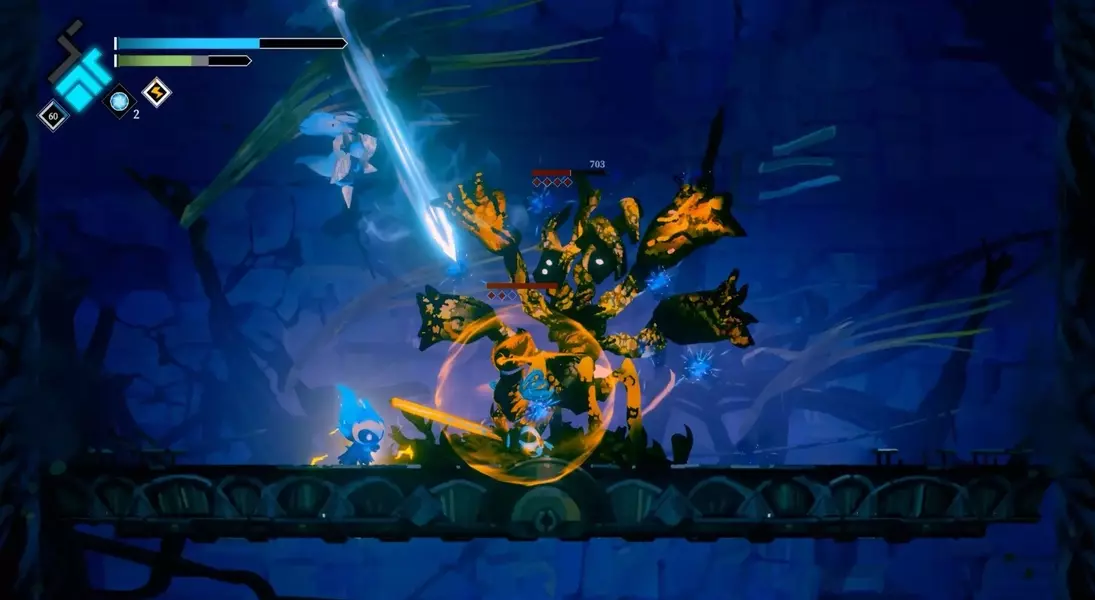
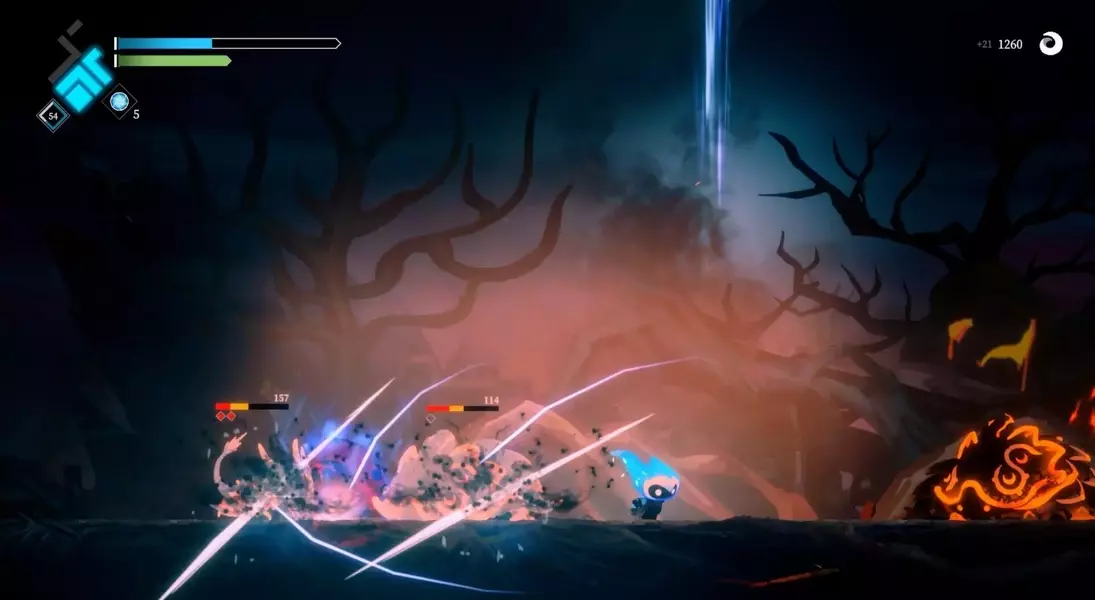
Initially, I misjudged Solateria, a parry-centric Metroidvania game from Studio Doodal, which was released in March. My early experience led me to believe it was a more forgiving entry into the challenging Soulslike genre. The initial hours felt gentle, with minimal enemy encounters and short distances between safe zones. However, a sudden, brutal attack by a rock giant quickly corrected my misconception. This game is not simply an easy version of a Soulslike; rather, its true genius lies in its adaptability, catering to various player skill levels while maintaining its depth.
Solateria immerses players in the role of a tiny flame warrior, navigating a shadow-ridden world to uncover the mystery behind the king's disappearance, which coincided with a dark plague turning everything hostile. The narrative, while familiar to fans of games like Hollow Knight, skillfully utilizes themes of warmth and light. The hand-drawn environments beautifully play with light and shadow, and your character's health is represented by warmth. All attacks are fire-based, and the unique vulnerability to water—a logical consequence of being a flame-based entity—adds a clever twist to a common game trope.
Unlike many Soulslike imitators, Solateria integrates a stamina system similar to Dark Souls, demanding precise timing and careful resource management for blocking, dashing, and attacking. While parrying offers crucial burst damage, success hinges on a comprehensive approach, including dodging and strategic skill usage, especially during challenging boss encounters. These boss battles are a particular highlight, functioning like intricate puzzles that require players to understand enemy patterns and utilize their full range of abilities. For instance, an early boss with impenetrable defenses demands parrying to break its guard and cleverly using the dash ability to avoid unexpected attacks. Later encounters escalate in complexity, such as a memorable battle involving buzzsaws, a continuous stream of enemies, and a flame-manipulating device, forcing players to balance offense, defense, and environmental interaction. Solateria distinguishes itself by creatively incorporating elements from games like Elden Ring and Sekiro, rather than simply replicating them, forging a unique and refreshing combat experience.
Despite its challenging moments, Solateria remains remarkably accessible. The parry window is more forgiving than in similar games, and crucially, it offers customizable difficulty options. Players can adjust settings to make blocking count as a parry, providing a less frustrating way to learn enemy timings. The game also provides helpful features such as slates that reveal important item locations and automatic map marking for inaccessible paths, guiding players without holding their hand. This blend of challenge and accessibility, demonstrating that a game can be both complex and inviting, is what truly sets Solateria apart in the Metroidvania genre.
