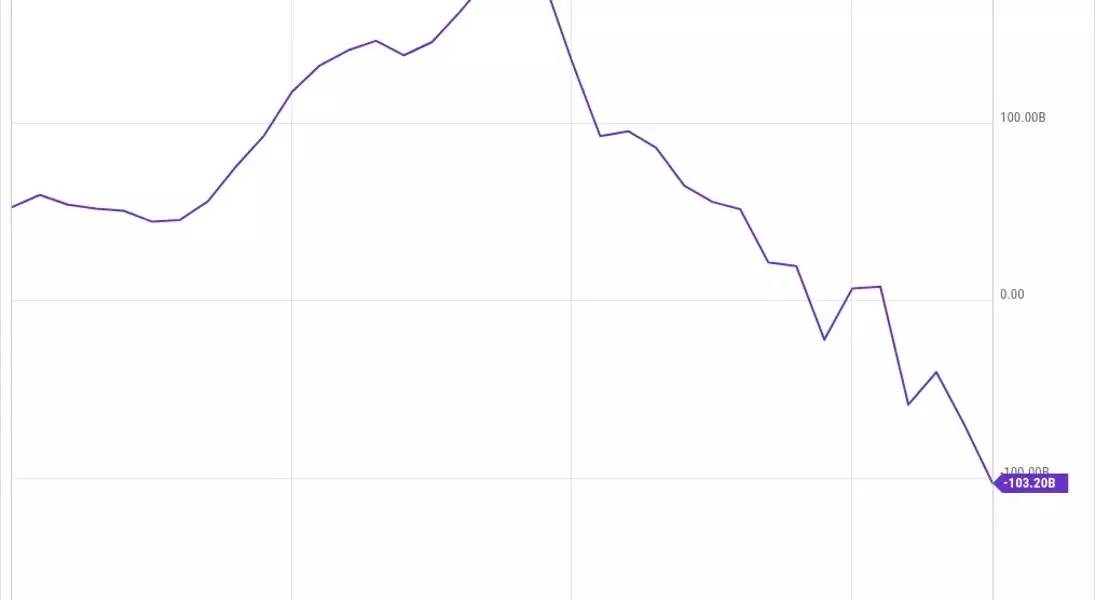

Recent evaluations have highlighted critical shifts in the financial outlook for Social Security, signaling an urgent need for legislative attention. The annual report from the Social Security Board of Trustees previously indicated a trust fund depletion by early 2033, leading to a projected 77% payout of scheduled benefits. However, a subsequent assessment by Social Security's Chief Actuary, Karen Glenn, has pushed this timeline forward, now forecasting the Old Age and Survivors Insurance (OASI) Trust Fund's exhaustion by the fourth quarter of 2032. This accelerated depletion is largely attributed to the One Big Beautiful Bill Act, a new tax law that, while not directly reducing Social Security income, extends existing tax cuts and introduces a deduction for seniors over 65, potentially lowering the taxable portion of Social Security benefits and thereby decreasing overall revenue to the program.
The underlying causes of Social Security's financial challenges are rooted in evolving demographic patterns. Historically, the program benefited from a growing workforce and robust economic conditions, which contributed to a surplus in the trust fund, particularly during the era when baby boomers were actively employed. However, with an aging population and a slower growth rate in the working demographic, the ratio of beneficiaries to active contributors has declined. This demographic shift has resulted in the OASI Trust experiencing a deficit for the past three years, a trend that is expected to intensify as more baby boomers enter retirement. The new tax legislation exacerbates this situation by impacting one of Social Security's key revenue streams: taxes on benefits, alongside wage taxes and interest earned from invested assets.
The looming prospect of benefit reductions poses a significant concern for the millions of Americans who depend on Social Security. While current law prohibits the program from disbursing more than it collects, meaning cuts would be automatic once the trust fund is depleted, Congress retains the power to intervene. Lawmakers could enact measures to fortify Social Security's financial health, ensuring its long-term viability. Yet, the current legislative approach, which appears to prioritize short-term advantages over sustainable solutions, suggests a reluctance to address the core issues. Postponing comprehensive reforms will only lead to more drastic changes in the future, underscoring that Social Security's landscape will undoubtedly be transformed by its centennial.
The stability of our nation's social safety nets, like Social Security, is a shared responsibility that demands foresight and courage from our leaders. It is imperative that policymakers transcend partisan divides to enact reforms that secure the financial well-being of current and future generations. By embracing proactive and equitable solutions, we can ensure that this vital program continues to provide a foundation of security for all Americans, reflecting our collective commitment to a just and supportive society.
