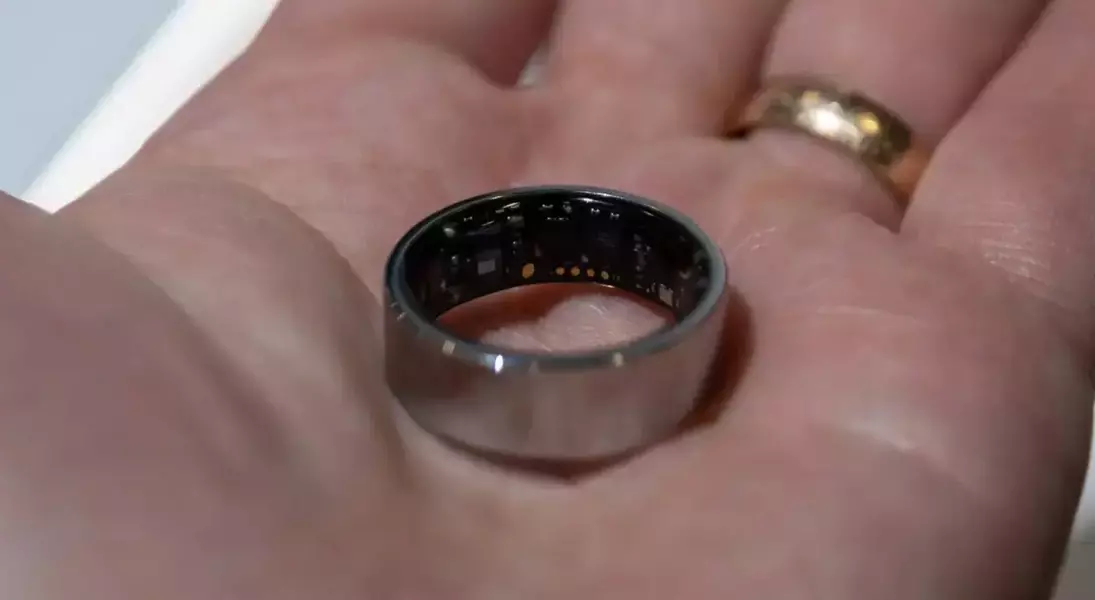
The fiercely competitive smart ring market is currently witnessing an intensifying legal dispute between two prominent players, Ultrahuman and Oura. This escalating conflict centers on allegations of intellectual property theft and patent infringement, marking a significant development in the wearable technology sector. The recent legal action by Ultrahuman, filed in a prominent Indian court, signals a global extension of this high-stakes corporate rivalry, underscoring the critical importance of innovation and proprietary technology in this burgeoning industry.
Smart Ring Titans Engage in Cross-Continental Legal Showdown
In a bold move on a recent Thursday, Ultrahuman, a leading innovator in smart health wearables, initiated a patent infringement lawsuit against Finland-based Oura. This legal challenge was formally lodged in the esteemed Delhi High Court of India. This action represents a direct counter to a prior lawsuit filed by Oura against Ultrahuman in the United States, transforming their market competition into a full-blown international legal confrontation. Ultrahuman asserts that Oura has illicitly appropriated its cutting-edge intellectual property, specifically citing features related to women's health, sophisticated circadian rhythm tracking, and advanced glucose monitoring capabilities. The company contends that Oura has unfairly benefited from Ultrahuman's significant investments in public health innovation without proper authorization or licensing. This legal wrangling highlights the intense battle for dominance and technological superiority in the burgeoning smart ring sector. Oura, for its part, previously pursued legal action against both Ultrahuman and RingConn in the U.S., claiming these competitors had reverse-engineered its devices and replicated patented design elements, such as its distinctive curved battery and advanced sensor array. While the U.S. International Trade Commission initially sided with Oura on some infringement claims, a definitive ruling remains pending. In response to Ultrahuman's recent Indian lawsuit, an Oura representative dismissed the claims as unfounded, characterizing them as a diversionary tactic following what Oura perceives as a decisive defeat in the U.S. legal arena. Oura emphasized the ITC's unequivocal determination that Ultrahuman infringed upon its intellectual property, leading to import bans on Ultrahuman's smart rings and components into the U.S. market. Conversely, Ultrahuman maintains that certain core components of its smart ring technology have long been in existence and that Oura's patents are relatively recent acquisitions, strategically employed to stifle competition rather than protect genuine innovation. Ultrahuman's Indian lawsuit specifically targets Oura's Ring 4, alleging it infringes upon a patent granted by the India Patent Office that safeguards the unique architectural design of Ultrahuman's Ring AIR. Furthermore, Ultrahuman criticizes Oura's practice of locking these purportedly copied features behind mandatory subscription services, arguing that such practices are detrimental to both innovation and consumer choice.
This ongoing legal saga between Ultrahuman and Oura is more than just a corporate dispute; it’s a critical moment for the entire wearable technology industry. From a reporter's perspective, this case underscores the intense pressure on companies to innovate while navigating the complex landscape of intellectual property rights. It highlights the fine line between competitive advancement and alleged infringement. For consumers, the outcome of this battle could significantly influence product development, pricing models, and the availability of features in future smart rings. It serves as a vivid reminder that while technological progress often drives market success, robust legal frameworks are essential to protect the integrity of innovation and foster fair competition within this dynamic and rapidly evolving sector.
