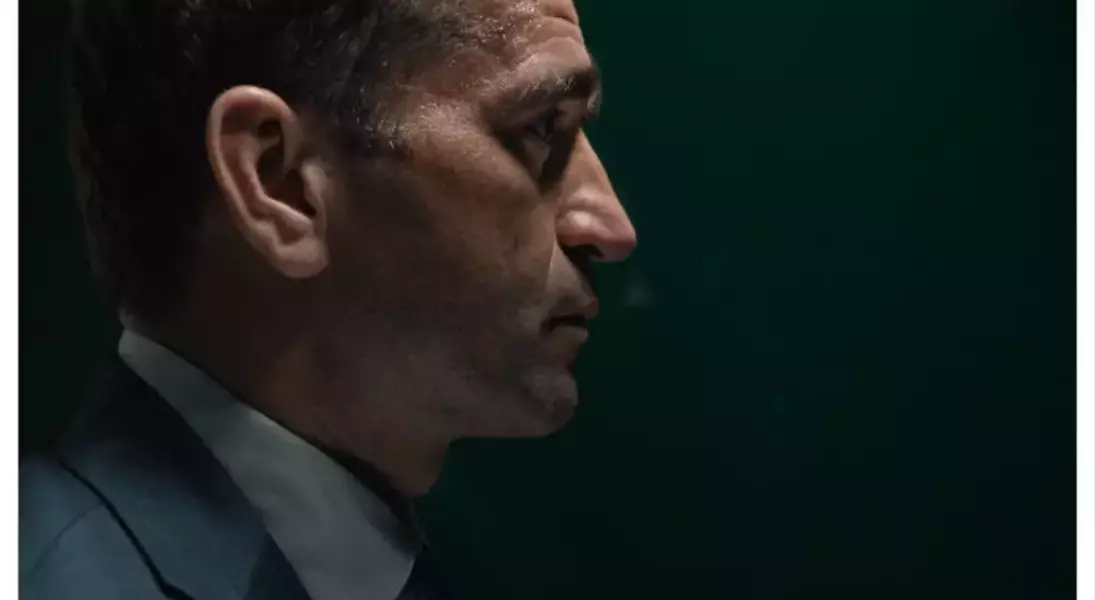
Tereza Nvotová's compelling drama, 'Father,' has recently been chosen as Slovakia's official submission for the Academy Awards. This poignant film has already achieved significant international reach, securing distribution deals across various European regions. The movie, which debuted at the prestigious Venice Film Festival and is slated for the Zurich Film Festival's Feature Film Competition, tackles a deeply sensitive and surprisingly common societal issue. The narrative, featuring Milan Ondrík in the central role, explores the profound human experience of accidental tragedy and its devastating aftermath.
The film delves into the concept of 'Forgotten Child Syndrome,' examining how ordinary individuals can face unimaginable horror due to a fleeting moment of inattention. Ondrík's portrayal of the protagonist, Michal, emphasizes the character's humanity and pain rather than painting him as a villain. The director and lead actor worked diligently to ensure the film maintains a delicate balance between its dark, cruel themes and underlying messages of love and hope, ultimately connecting with audiences on a deeply emotional level by showcasing the fragility of life and the capacity for compassion even in the face of immense guilt.
International Recognition and Distribution
Tereza Nvotová's critically acclaimed drama, 'Father,' which serves as Slovakia's entry for the Academy Awards, has achieved widespread international distribution. Following its successful premiere at the Venice Film Festival and an upcoming appearance in the Zurich Film Festival's Feature Film Competition, the film has been acquired by distributors in several key European markets. Intramovies managed the sales, with Epicentre handling French-speaking European territories, Cinobo securing rights for Greece, Kino Pavasaris for the Baltics, and Reverso Films for Spain. This broad reach underscores the film's universal themes and its ability to resonate with diverse audiences.
The film's journey through major festivals and its subsequent international sales highlight its powerful narrative and strong critical reception. Milan Ondrík, who plays the lead, delivers a nuanced performance that explores the complexities of a father grappling with an accidental tragedy, a theme that director Nvotová noted is far more common than generally perceived. The widespread distribution will allow more viewers to engage with this emotionally charged story, experiencing the intense drama and the human elements that make 'Father' such a compelling and relevant piece of cinema. The film's ability to transcend cultural boundaries speaks to its poignant exploration of grief, responsibility, and societal judgment.
The Exploration of 'Forgotten Child Syndrome' and Human Compassion
'Father' delves into the heartbreaking reality of 'Forgotten Child Syndrome,' a theme that director Tereza Nvotová meticulously researched and brought to the screen with profound sensitivity. The film centers on Michal, an ordinary man whose life takes a horrific turn due to a single, devastating mistake. Milan Ondrík, in his powerful portrayal, sought to embody Michal's humanity and inner turmoil rather than simply depicting him as a criminal, emphasizing that the story is not about inherently bad people but about the fragile line between normal life and tragedy that can be crossed in an instant of distraction.
Ondrík's performance masterfully navigates the paradox of Michal's character: a loving father and husband who is undeniably guilty but also deeply human and deserving of empathy. The film challenges societal tendencies to quickly condemn, instead prompting viewers to consider the pain and the underlying humanity of those who experience such profound loss and guilt. Through long takes and an intimate narrative style, 'Father' aims to immerse the audience in Michal's perspective, fostering a deeper understanding of his emotional journey. Sylvie Leray of Reverso Films praised the film's "subtle and nuanced" acting and its poignant storytelling, affirming its universal appeal in addressing a tough yet profoundly human subject that resonates beyond specific cultural contexts.
