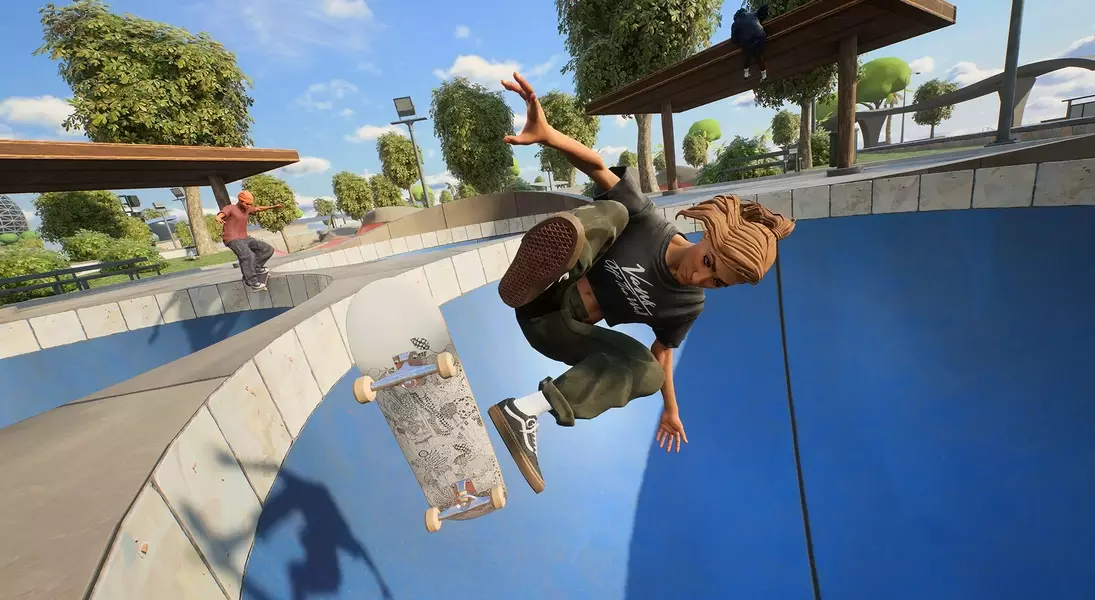

Electronic Arts' free-to-play skateboarding game, Skate, is currently embroiled in controversy following its decision to place a new map area, the Isle of Grom, behind a paywall. This strategic shift directly contradicts previous statements from the game's developers, who had explicitly promised that no geographical sections of the game map would require payment for access. This recent development has further aggravated player sentiment, which was already negative due to persistent microtransaction concerns and technical difficulties experienced since the game's early access release. The community's reaction highlights a growing distrust when game companies alter core monetization principles.
Since its early access debut, Skate has struggled with player perception. While attracting a substantial number of participants initially, the game quickly garnered a "Mixed" rating on Steam. Subsequent months saw players navigating a landscape rife with microtransaction offerings and technical glitches, none of which improved overall satisfaction. The current controversy emerged with the announcement of Skate's Season 3 content, which outlined a multi-tiered access system for the new Isle of Grom area, making unrestricted exploration contingent on a paid Skate Pass.
The Isle of Grom, a re-envisioned version of the game's tutorial zone, is described as an expanded environment featuring new elements for players to discover. However, initial access is restricted to those who purchase the Skate Pass, priced at approximately $10. A temporary "open access" period is scheduled, allowing all players to experience the area. Nevertheless, after this brief window, the Isle of Grom will once again revert to requiring a Skate Pass Premium for full access. As an alternative, players will be able to rent daily access using in-game currency, a system that further complicates the player experience with its convoluted payment structure.
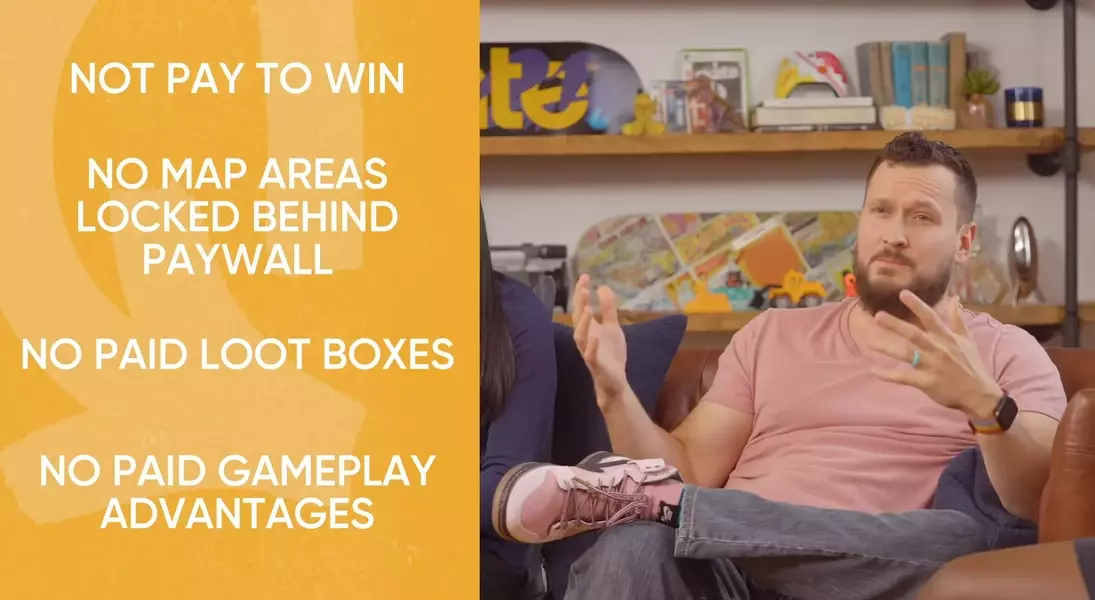
The primary source of player frustration stems from a July 2022 video released by Skate's developers, where they unequivocally stated that "no map areas [would be] locked behind a paywall," a commitment they described as a "hard ground rule." The current implementation directly violates this promise, leading to accusations of broken trust from the player base. The official Skate social media accounts have attempted to manage the fallout, citing the dynamic nature of game development in early access. They argue that changes are sometimes necessary to ensure the game's long-term viability, acknowledging that "plans have to change" and that they are "listening" to feedback as they continue to shape the game's future.
The situation underscores the challenges faced by free-to-play games in balancing revenue generation with player satisfaction, particularly when initial promises about content access are rescinded. While the developers highlight the need for flexibility in an early access model, the move has undeniably eroded player confidence. The community's response signals a clear demand for transparency and consistency in monetization practices, reminding developers that even in the iterative process of early access, core commitments to players are crucial for fostering a loyal and engaged audience.
