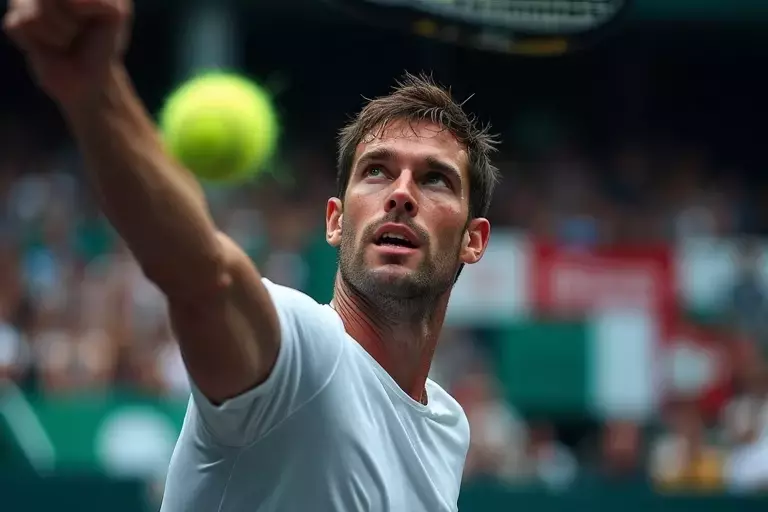




In a remarkable turn of events, top-ranked tennis player Jannik Sinner made his triumphant return to the sport following a three-month suspension for doping. His first practice session at the Italian Open drew an audience of nearly 5,000 fans, underscoring his immense popularity. The ceremony honoring the Italian Davis Cup and Billie Jean King Cup-winning teams added to the celebratory atmosphere, with both trophies on display. Despite the fanfare, Sinner remains humble, attributing his fame to his origins in a small town. Coinciding with the Vatican’s conclave to elect a new pope, local headlines humorously dubbed the occasion "Habemus Sinner." This article explores Sinner's journey through his suspension and his feelings about returning to competitive play.
As the first Italian No. 1 player to compete in the home tournament, Jannik Sinner faced a whirlwind of emotions during his reintroduction into professional tennis. After serving his banishment from the sport, he found solace in reconnecting with family and friends while engaging in alternative activities like cycling. This period allowed him to reassess his priorities and rediscover the joy of playing tennis. His return was marked by a gradual reintegration process, starting with a month-long break from racket usage before resuming training gently. Blisters reappeared on his hands—a reminder of his dedication to the sport—indicating how much he had missed practicing regularly.
The controversy surrounding Sinner’s settlement with the World Anti-Doping Agency (WADA) has sparked debate among peers and fans alike. Following an appeal against ITIA's initial exoneration due to accidental contamination, WADA reached a compromise that some consider lenient. Critics argue that such settlements set a dangerous precedent, especially when high-profile athletes are involved. Serena Williams expressed her disbelief at the leniency, suggesting she would have faced harsher penalties under similar circumstances. However, Sinner maintains that accepting the agreement was the best decision amidst challenging times. He acknowledges the importance of moving forward positively rather than dwelling on past incidents.
Looking ahead, Sinner will face either Mariano Navone or Federico Cinà in his opening match this Saturday after receiving a bye in the first round. Having not played since winning his second consecutive Australian Open title in January, he approaches the Italian Open with modest expectations. For Sinner, readjusting to the intense spotlight is both daunting and exhilarating. With the last Italian man to win the Rome title being Adriano Panatta in 1976, there is significant pressure on Sinner to deliver exceptional performances. Nonetheless, he cherishes the opportunity to represent his country and continues to express gratitude for the unwavering support he receives.
Jannik Sinner's story exemplifies resilience and adaptability in the face of adversity. From grappling with personal introspection during his suspension to embracing the challenges of returning to competition, his journey resonates deeply within the sports community. As he steps onto the court once more, fans eagerly anticipate witnessing his prowess anew. Despite lingering controversies, Sinner remains focused on his passion for tennis and the values instilled by those around him. This moment marks not only a pivotal chapter in his career but also serves as an inspiration for aspiring athletes worldwide.
