



The soaring costs of memory modules, driven by current market conditions, have compelled PC gamers to seek more economical solutions. This analysis delves into the performance disparities between single-channel and dual-channel Dynamic Random Access Memory (DRAM) configurations in various gaming scenarios. The research aims to provide a comprehensive understanding of how different memory setups influence gaming performance, particularly under the constraints of varying CPU capabilities and graphics loads.
Contemporary gaming systems often feature motherboards with dual memory controllers, allowing for enhanced data throughput. However, the efficacy of this dual-channel advantage is not always absolute. Modern processors, especially those with substantial on-chip cache, can mitigate some of the bottlenecks associated with single-channel memory. The study explores whether opting for a single memory stick, a seemingly cost-effective choice, significantly compromises the gaming experience or if the impact is more nuanced than commonly perceived. Through rigorous testing across diverse hardware configurations and game settings, the findings reveal critical insights for gamers looking to optimize their setups without overspending.
Understanding Memory Channels and Performance
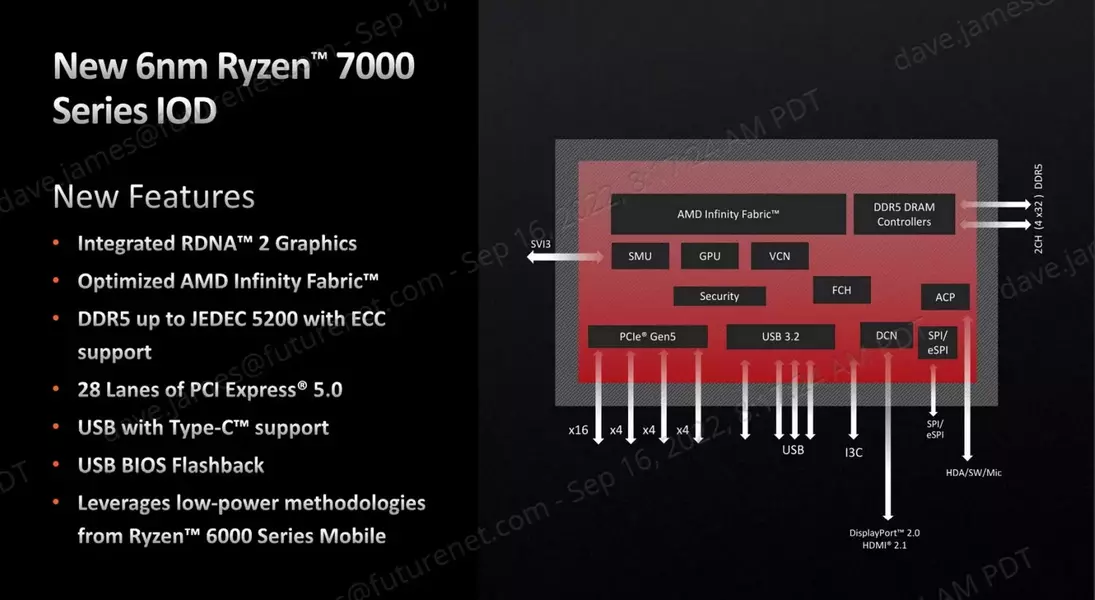
For many years, processors in both desktop computers and laptops have incorporated two independent memory controllers. Initially, these controllers were integrated into the motherboard's chipset, specifically the Northbridge, but they are now a fundamental component of the processor die. These controllers are responsible for managing all operations related to system memory, including reading and writing data, and ensuring that DRAM chips are refreshed regularly. The presence of two independent controllers, commonly referred to as dual channels, theoretically allows for double the memory bandwidth. This not only boosts overall performance but also helps reduce latency by enabling simultaneous read and write operations.
Intuitively, one might conclude that using a single memory channel would lead to a significant performance degradation. However, this is not always the case. Modern CPUs are equipped with substantial amounts of cache memory, which plays a crucial role in reducing the data demands placed on the memory controllers. If the required data for an instruction is already available in the CPU's cache, there is no need to retrieve it from the slower system memory. Consequently, for CPUs that feature large caches, the performance penalty of single-channel DRAM might be less severe than anticipated. This is especially true if the single memory module itself offers high bandwidth. To definitively assess this, experimental testing is essential.
Impact of Cache and Graphics Load on Single-Channel Performance
Initial testing utilized a high-end processor with a large L3 cache, paired with a powerful graphics card and fast DDR5 memory. The objective was to evaluate the performance of single-channel versus dual-channel memory in graphically intensive scenarios at 4K resolution with maximum settings and ray tracing enabled. The results showed that for games that heavily tax the GPU, such as "Black Myth: Wukong," "F1 25," and "Hogwarts Legacy," the difference in average frames per second (FPS) between single-channel and dual-channel memory was minimal. However, 1% low FPS saw noticeable drops, particularly in "Hogwarts Legacy," indicating less consistent frame delivery. Conversely, games like "Counter-Strike 2," which are less memory-bandwidth intensive, exhibited almost no performance difference, highlighting the mitigating effect of a large CPU cache and ample VRAM on the GPU.
To further investigate, a second round of tests was conducted using a mid-range processor with a smaller L3 cache and DDR4 memory, coupled with a mid-range graphics card. These tests were performed at 1080p resolution with minimal graphics settings to create a CPU-limited environment. In this scenario, where the CPU is primarily responsible for data processing, the impact of single-channel DRAM became much more pronounced. Most games experienced significant reductions in both average and 1% low FPS compared to dual-channel configurations. This underscores the importance of dual-channel memory in systems with less robust CPUs and lower cache capacities, where memory bandwidth becomes a critical bottleneck. The microstutters observed in all games with single-channel memory further emphasize that while average FPS might remain acceptable in some cases, the overall gaming experience can suffer from inconsistent frame times.
