
The Sims 4, initially met with reservations due to its sparse content upon launch, has undergone a significant transformation over the past decade. What began as a game missing fundamental features, such as pools and comprehensive customization options, has evolved into a vibrant and creatively rich platform for virtual life simulation. This evolution, largely driven by a continuous stream of downloadable content (DLC) packs, has finally allowed long-time players to discover the depth and enjoyment they initially sought, even if it has come at a considerable cost and required patience through years of updates and additions.
Upon its debut in 2014, The Sims 4 was notably stripped of elements considered mainstays of the franchise, including basic aesthetic customization like color wheels for clothing and furniture, and even entire life stages such as toddlers. This initial release prompted many seasoned players, accustomed to the more complete earlier iterations of The Sims, to approach subsequent updates with skepticism. The game's early lifecycle often involved a repetitive cycle for players: extensive character creation, meticulous house building, followed by a quick onset of boredom or frustration due to bugs and a perceived lack of meaningful activities, leading to prolonged breaks from the game.
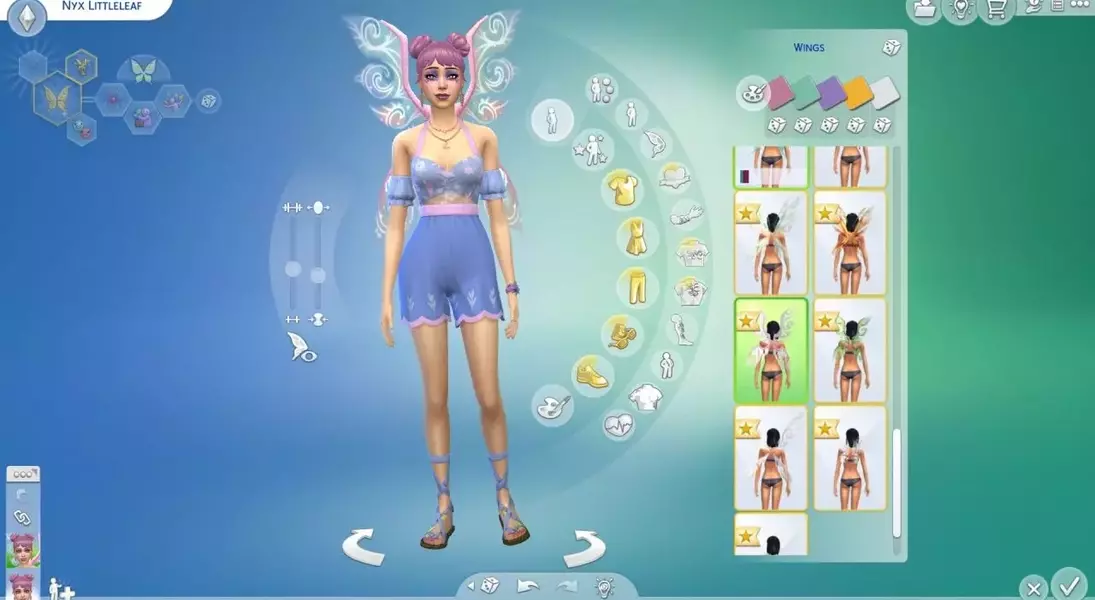
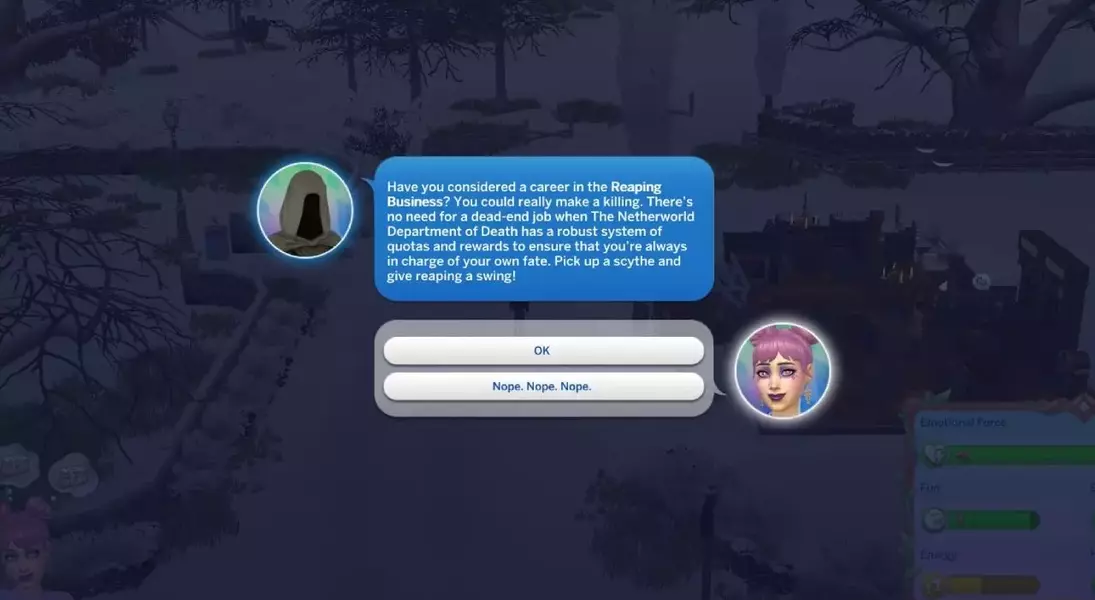
However, the narrative shifted dramatically with the introduction of numerous expansion, game, stuff, and kit packs. For instance, the 'Enchanted By Nature' expansion pack, launched in July 2025, brought elements like fairy-Sims and magical ailments, alongside new clothing and decor. This particular expansion re-engaged a player who had previously taken a break, offering a fresh perspective. The player’s experience with a newly created fairy-Sim, Nyx, showcased the game's newfound ability to generate unique and engaging storylines—from receiving a job offer from the Grim Reaper to navigating a swift romance and unexpectedly welcoming twin 'Science Babies.' This blend of whimsical encounters and personal narrative construction highlighted the creative freedom that The Sims 4 now offers, reminiscent of the cherished chaos of earlier games.
Despite these improvements, the path to a fully satisfying experience in The Sims 4 has been paved with financial commitments. The game now boasts nearly a hundred DLC packs, ranging in price and adding up to a substantial total investment for those wishing to access all content. While not mandatory, the article suggests that a significant portion of these DLCs becomes almost essential to overcome the base game's initial limitations and truly unlock the game's potential for engaging customization and storytelling. This contrasts sharply with previous Sims titles, where expansion packs primarily enhanced an already complete and enjoyable base game, rather than filling in core content gaps.
The journey of The Sims 4 over the past decade underscores a significant shift in game development and player expectation. While the game has ultimately achieved a level of fun and completeness that satisfies its long-standing community, it raises questions about the future of the franchise. The model of releasing a bare-bones base game followed by a multitude of paid DLCs to achieve a rich gameplay experience has proven controversial. Although it took a decade and a considerable financial outlay, The Sims 4 has finally reached a point where it delivers the depth and engaging simulation that players initially hoped for, demonstrating a remarkable evolution from its humble beginnings.
