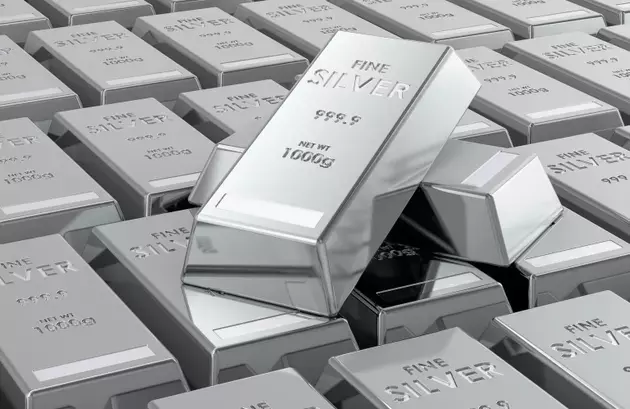
Silver has recently surpassed the $100 per ounce mark, an impressive feat that has surprised many investors. This significant price movement is primarily fueled by a combination of inherent supply shortages and a consistently strong demand from industrial sectors. While the prospect of silver reaching $200 per ounce seems plausible, particularly if gold continues its upward trajectory and the gold-silver ratio narrows, current market technicals indicate that the metal's price may be overextended. A short-term correction is anticipated, presenting a potential opportunity for long-term investors to re-evaluate their positions.
The recent surge in silver prices can be attributed to several key factors. Structurally, the global supply of silver has been tightening, with mining output struggling to keep pace with escalating demand. Industrial applications for silver are expanding rapidly, particularly in sectors such as solar energy, electric vehicles, and advanced electronics, where its unique conductive properties are highly valued. This sustained industrial appetite creates a robust floor for silver prices and acts as a powerful catalyst for upward movement.
Historically, silver often tracks gold's performance, albeit with greater volatility. A sustained rally in gold, coupled with a compression of the gold-silver ratio—meaning silver's price increases relative to gold's—could propel silver further towards the $200 threshold. However, recent technical analysis, including bearish divergences and extreme Relative Strength Index (RSI) readings, suggests that the market is currently in an overbought condition. This typically precedes a period of consolidation or a price correction as investors take profits.
Given the current market dynamics, a prudent strategy involves a short-term cautious approach while maintaining a long-term bullish outlook. Investors might consider securing profits from recent gains and preparing to re-enter the market after a more significant price retracement. This strategy aims to capitalize on the metal's long-term growth potential, driven by its fundamental supply-demand imbalance and its critical role in emerging technologies, while mitigating the risks associated with an immediate overbought market.
