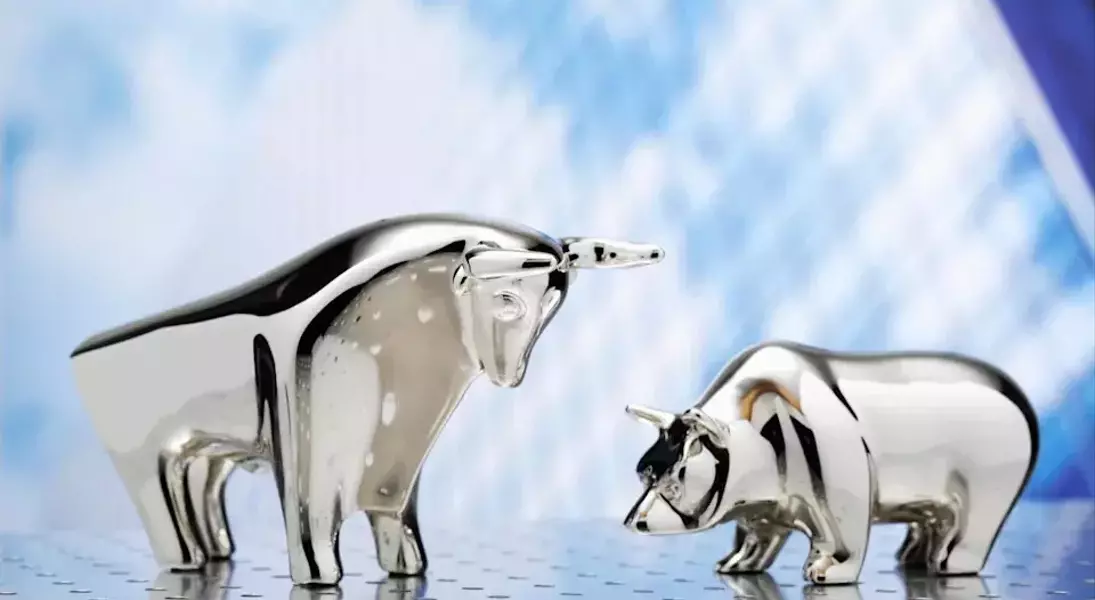
This article provides a comprehensive analysis of investing in silver through the iShares Silver Trust ETF. It examines the current market correction, historical trends, and factors influencing silver's value, offering insights into why this precious metal continues to be a relevant asset in uncertain economic times.
Unlocking Silver's Potential: Navigating Market Swings with the iShares Silver Trust
Silver's Unique Market Position: Industrial Demand Meets Investment Appeal
Silver, unlike its counterpart gold, serves a dual purpose in the global economy. While both are considered precious metals and safe-haven assets, over half of silver's annual production is consumed by industrial sectors, including electronics, alloys, and solders. This strong industrial demand sets it apart from gold, which is primarily seen as an investment and jewelry commodity.
Recent Market Dynamics: The Impact of Supply Disruptions and Price Swings
The price of silver experienced a significant surge, climbing 144% in 2025. This dramatic increase was partly fueled by China's announcement of new export restrictions, which sparked concerns about potential supply shortages. However, after further gains in early 2026, silver has since retracted, falling 28% from its peak price of $121 per ounce. This volatility highlights the dynamic nature of the silver market.
The Appeal of the iShares Silver Trust ETF for Investors
The iShares Silver Trust (NYSEMKT: SLV) is an exchange-traded fund designed to mirror the price of silver. It offers a convenient and accessible way for investors to gain exposure to silver without the logistical challenges and costs associated with acquiring and storing physical metal, such as insurance and storage fees. Investors can trade the ETF through standard stock brokerage platforms.
Historical Context: Precious Metals as a Hedge Against Uncertainty
Historically, precious metals have been favored by investors during periods of heightened political and economic instability due to their established role as reliable stores of value. Gold often takes precedence due to its scarcity, with only a limited amount ever extracted. Silver, while more abundant, also benefits from this flight to safety.
Fiat Currency Devaluation and the Rising Value of Precious Metals
Precious metals do not generate intrinsic revenue or earnings; instead, their value tends to appreciate as the purchasing power of fiat currencies diminishes. A prime example is the U.S. dollar, which has seen its value decline by approximately 90% since the gold standard was abandoned in 1971. This historical shift allowed governments greater discretion in money supply, leading to a significant increase in the amount of currency in circulation and a corresponding rise in the dollar-denominated value of gold.
Current Economic and Political Landscape and its Influence on Silver
The present global environment is marked by considerable political and economic uncertainty. The Trump administration's imposition of tariffs on key trading partners and substantial fiscal deficits, which have inflated the national debt to unprecedented levels, have fueled investor concerns. Many speculate that to manage this fiscal trajectory, the U.S. government might continue to devalue the dollar by increasing the money supply, a scenario that would likely benefit both gold and silver.
Understanding Silver's Demand Drivers: Industrial vs. Investment
Silver's value is significantly influenced by the interplay of supply and demand. In 2024, industrial manufacturers accounted for approximately 58% of the annual silver supply, with the jewelry sector consuming an additional 18%. In contrast, direct investment in physical silver made up a smaller portion, around 16% of the market. This breakdown underscores why events like China's export restrictions can have a pronounced effect on silver prices, as they directly impact a large segment of its demand.
Analyzing Silver's Historical Performance and Future Expectations
While silver experienced an exceptional 144% gain last year, such sharp increases are not typical. Over the past five decades, silver has delivered a more modest compound annual return of 6.2%, which is a more realistic benchmark for future expectations. Investors should also be mindful of silver's inherent volatility; its two most substantial rallies since 1980 were followed by corrections exceeding 70%. Given the recent 28% decline from its peak, further downward movement remains a possibility.
Strategic Considerations for Investing in Silver Through an ETF
For investors considering an allocation to silver, especially given the current economic backdrop, the iShares Silver Trust ETF offers several advantages over physical silver. Its ease of trading through conventional investment platforms allows for quick transactions, a stark contrast to the slower, more complex process of buying and selling physical metal, which often involves transportation to a dealer.
Cost-Benefit Analysis: ETF Expense Ratios vs. Physical Silver Costs
While the iShares Silver Trust ETF is not without cost, it charges an annual expense ratio of 0.5% to cover management fees. For an investment of $50,000, this amounts to approximately $250 per year. This fee is generally less than the combined costs of storing and insuring an equivalent value of physical silver, making the ETF a more cost-effective option for many investors.
