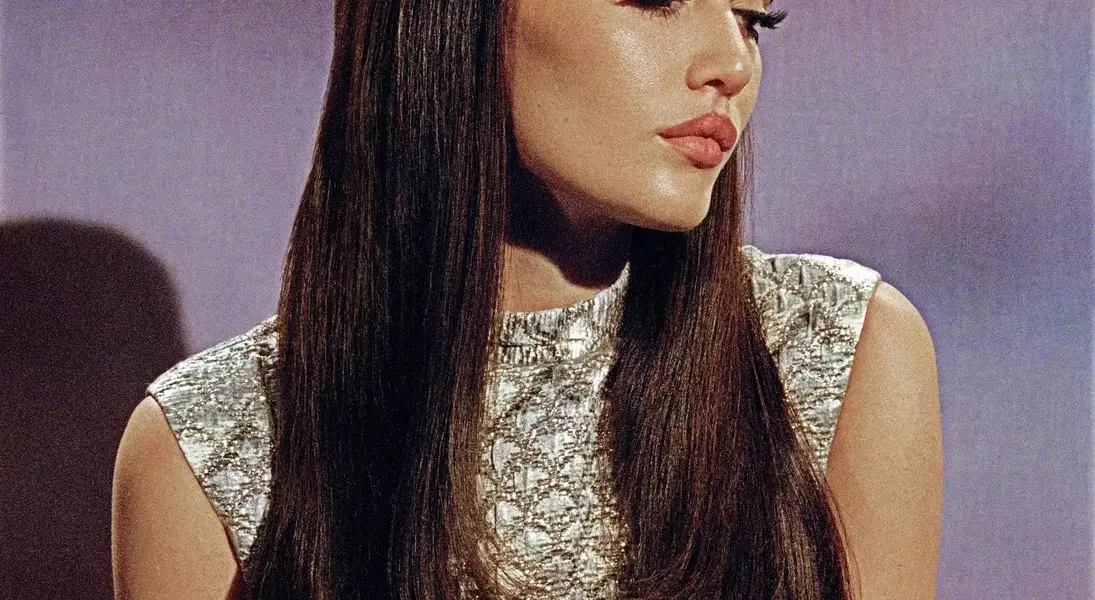
Rising music star Sienna Spiro, just four years after leaving formal education, has become a global phenomenon. The 20-year-old artist has achieved over 1.2 billion streams and completed a sold-out world tour, all while launching her debut album, "Visitor." This collection features her chart-topping single, "Die on This Hill," a powerful ballad that has captivated audiences worldwide. In a candid interview, Spiro shares insights into her unique songwriting journey, her intrinsic emotional depth, and how music serves as an unwavering anchor in her life.
Spiro's journey to stardom is marked by a blend of serendipity and raw talent. Her hit song "Die on This Hill" originated from an accidental piano experiment, an unexpected turn that ultimately shaped its poignant ballad form. This experience taught her the importance of letting a song evolve organically, rather than imposing her own desires. Beyond her professional achievements, Spiro opens up about a lifelong sense of melancholy, which she views not as a flaw but as a natural part of her being, deeply woven into her family's fabric. This profound emotional landscape provides fertile ground for her creative expression, allowing her to channel her feelings into music. For Spiro, singing is more than just a performance; it’s a vital act of self-expression that brings confidence and purpose, acting as a constant companion throughout her life, especially during challenging times.
Sienna Spiro's Meteoric Rise in the Music Industry
Sienna Spiro's career has skyrocketed in an astonishingly short period, transforming her from a school dropout into an internationally acclaimed artist. Her debut album, "Visitor," released through Capitol Records, has resonated with a vast audience, propelled by the immense success of its lead single, "Die on This Hill." This piano-driven ballad, characterized by Spiro's distinctive raspy contralto, earned widespread acclaim, including multiple applause breaks during her performance on The Tonight Show Starring Jimmy Fallon. Despite her hectic schedule, which includes interviews, photo shoots, and relentless touring, Spiro maintains a grounded perspective, expressing deep gratitude for her rapid ascent. She acknowledges the extraordinary nature of her success, emphasizing her commitment to remaining present and appreciative amidst the whirlwind of her burgeoning career.
Her rapid rise is a testament to her undeniable talent and the universal appeal of her music. With 1.2 billion global streams already amassed, Spiro's influence is far-reaching. Her sold-out world tour underscores the profound connection she has forged with her fans, who flock to experience her powerful live performances. The critical and commercial triumph of "Die on This Hill" highlights her ability to craft emotionally resonant songs that speak to the human experience. Spiro’s journey began just four years ago when she made the bold decision to pursue music full-time, a choice that has clearly paid off. Her ability to captivate audiences with her raw emotion and compelling vocals has solidified her position as one of the most exciting new voices in contemporary music.
The Intersection of Creativity, Emotion, and Authenticity
Sienna Spiro's creative process is deeply intertwined with her emotional landscape, particularly her acknowledgement of an innate sadness. This melancholic streak, which she openly shares, informs much of her songwriting, providing a rich source of inspiration. She perceives this sadness not as a weakness but as a fundamental aspect of her personality, a trait shared within her family. This deep emotional well allows her to explore complex feelings through her music, offering a cathartic outlet that brings understanding and confidence. Her approach to songwriting, as exemplified by "Die on This Hill," underscores a philosophy of allowing songs to develop organically, trusting the artistic process over preconceived notions. This authenticity resonates strongly with audiences, who are drawn to the genuine vulnerability and depth expressed in her work.
The accidental genesis of "Die on This Hill" illustrates Spiro's intuitive and unforced approach to creation. Initially conceived on guitar with a faster tempo, the song transformed into a powerful ballad after a producer's suggestion, a decision that Spiro initially resisted but ultimately embraced. This experience taught her a valuable lesson about prioritizing the song's needs over her own desires, leading to a more authentic and impactful result. Spiro's connection to music transcends mere performance; it is a profound journey of self-discovery and a constant source of purpose. Her ability to channel her intrinsic sadness into compelling art, coupled with her commitment to artistic integrity, defines her unique voice and solidifies her position as an artist who deeply understands and articulates the human condition.
