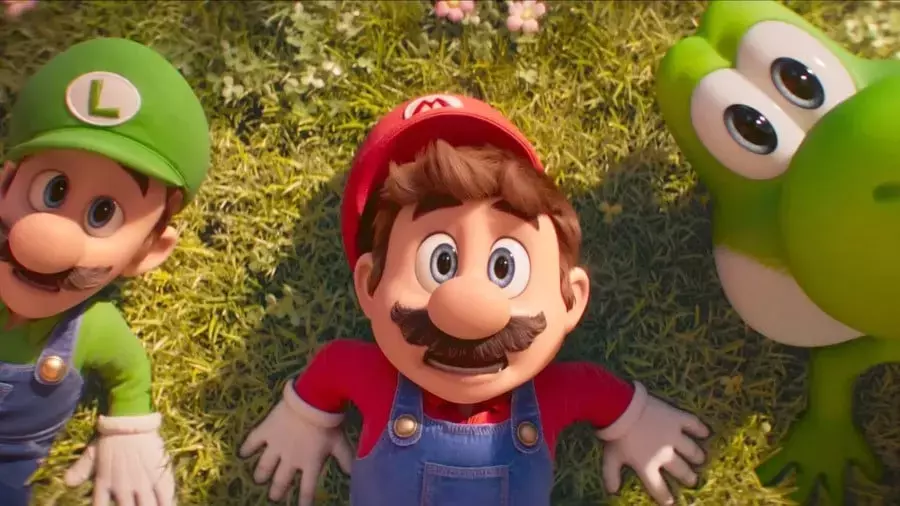
Shigeru Miyamoto, the esteemed creator behind the iconic Mario franchise, recently voiced his astonishment regarding the critical feedback for the latest cinematic installment, the "Super Mario Galaxy" movie sequel. The film, despite its lukewarm reception from critics who cited an abundance of references overshadowing a weak plot, has achieved remarkable commercial success, generating over $2 billion globally. Miyamoto's remarks underscore a perceived disconnect between professional reviews and public enthusiasm.
Reflecting on the initial film's critiques, Miyamoto acknowledged some validity in the criticisms but had anticipated a more favorable response for the sequel. He expressed a particular bewilderment at the film industry's arbiters delivering even more scathing reviews this time around. His comments suggest a belief that critics should actively foster the industry's growth, making their pronounced negativity a source of considerable confusion, especially given the movie's impressive financial performance.
As Nintendo gears up for the 2027 release of its "Legend of Zelda" film, the conversation surrounding critical assessment versus commercial triumph continues. Miyamoto's perspective highlights an ongoing dialogue within the entertainment world about the role of criticism, audience engagement, and the evolving landscape of adapting beloved video game narratives for the big screen. The journey of these adaptations illustrates the complex dynamics at play when popular culture icons transition between mediums, aiming to captivate both long-standing fans and new audiences alike.
Ultimately, the enduring appeal of franchises like Mario and Zelda lies not just in their critical acclaim but in their ability to resonate deeply with a global audience. The financial success of the "Super Mario Galaxy" film, irrespective of critical consensus, demonstrates the power of popular entertainment to unite and delight, reminding us that art's impact is often measured in diverse ways, from intellectual critique to widespread joy and commercial prosperity. Embracing these varied perspectives enriches our understanding of cultural phenomena and encourages a more inclusive appreciation of creative endeavors.
