
Subscription-based gaming platforms, exemplified by offerings from Netflix and Apple, initially emerged as promising havens for a diverse array of high-quality mobile games, providing a refreshing alternative to the prevalent free-to-play models often criticized for their reliance on microtransactions. These services aimed to cultivate an environment where premium gaming experiences could thrive, accessible through a single monthly fee without the distraction of in-app purchases or advertisements. However, a noticeable shift has occurred in their content strategies, with a clear move away from independent and unique titles towards games associated with established, mainstream entertainment franchises. This evolution highlights a broader trend where the pursuit of mass appeal and user engagement based on recognizable intellectual properties is eclipsing the initial commitment to fostering a rich ecosystem for innovative and artistically driven indie games. Consequently, the very platforms once seen as champions of creative freedom in mobile gaming are now contributing to a more homogenized and commercially focused landscape, leaving many original and unconventional game experiences with fewer dedicated outlets.
The Evolution of Subscription Gaming Platforms
Initially, subscription-based gaming services like Apple Arcade and Netflix represented a crucial turning point for mobile game development. They offered an enticing proposition: a curated collection of premium games, devoid of the intrusive advertisements and in-app purchases that had become ubiquitous in the free-to-play mobile market. This model promised a stable revenue stream for developers, allowing them to focus on crafting high-quality, immersive experiences rather than designing around monetization mechanics. For players, it meant access to a diverse library of titles, many of which were mobile exclusives, all covered by a single subscription fee. This ecosystem was lauded as a sanctuary for creativity, enabling the production of unique and meaningful games that might not have thrived under the traditional, ad-supported mobile landscape.
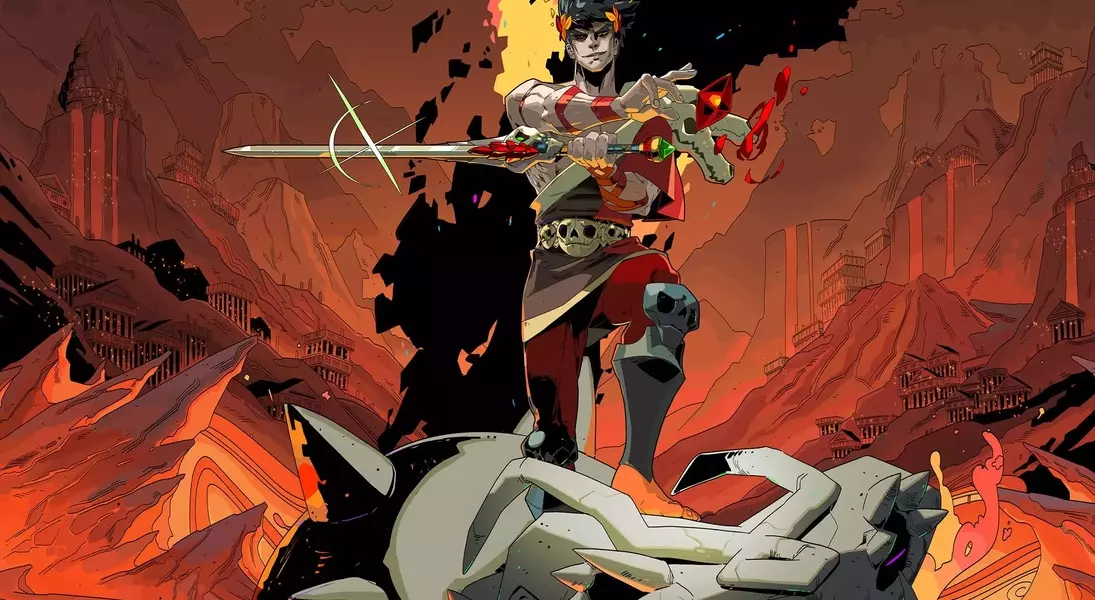
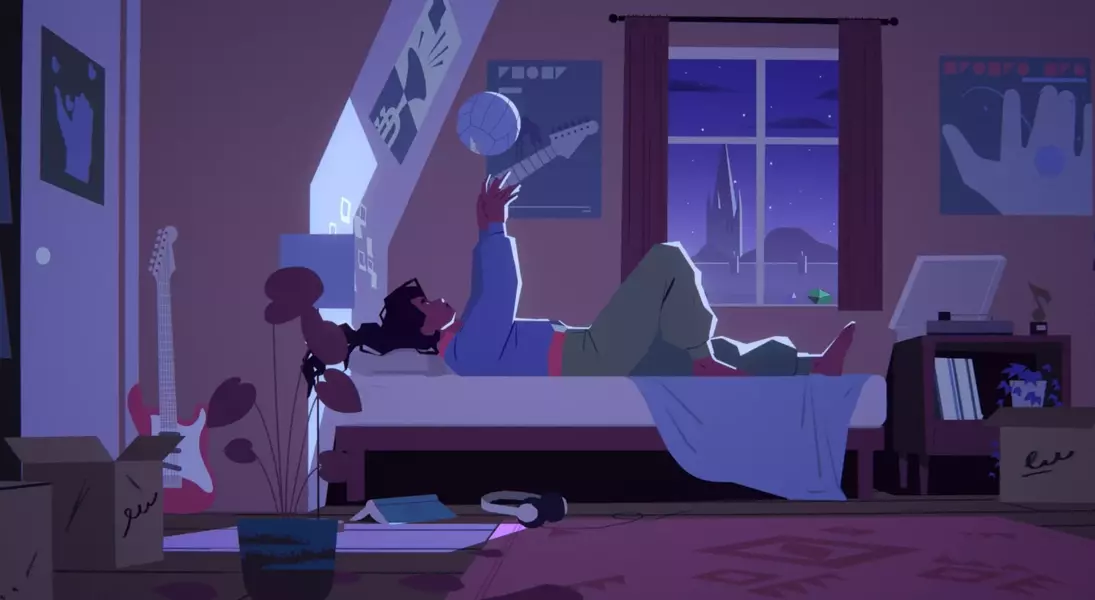
The early days saw an exciting array of titles, from emotionally resonant strategy games exploring complex themes to innovative puzzle games that challenged conventional interaction. Netflix, for instance, even invested in projects like “Harmonium: The Musical,” a game celebrated for its exploration of Deaf culture, signaling a genuine commitment to diverse storytelling and unique gameplay. Similarly, Apple Arcade was a launching pad for many critically acclaimed indie darlings. These platforms also took a proactive approach by acquiring game studios, demonstrating a deeper commitment to fostering exclusive content. However, the initial vision of a thriving indie haven has begun to erode. Recent actions, such as Netflix closing a AAA game studio and delisting prominent third-party indie titles like “Hades” and the “Monument Valley” series, reveal a strategic pivot. This shift suggests that the pursuit of a broad, mainstream audience, often through established intellectual properties, is now taking precedence over the cultivation of original and unconventional gaming experiences.
Shifting Focus: From Indie Gems to Mainstream Appeal
The strategic reorientation of Netflix and Apple's gaming divisions is becoming increasingly apparent. Instead of continuing to champion a diverse portfolio of indie games, both platforms are now conspicuously favoring titles directly linked to their existing content libraries or widely recognized franchises. Netflix's latest quarterly reports underscore this change, highlighting significant investments in games like “Squid Game: Unleashed” and “Thronglets,” which are direct extensions of popular Netflix series. This approach is rooted in the understanding that games associated with familiar brands are more likely to attract and retain the majority of their subscriber base, many of whom did not initially engage with the platforms' gaming offerings, or preferred well-known titles such as “GTA,” which saw Netflix’s most successful game launch.
This evolving strategy raises concerns within the indie game development community. Historically, these subscription services offered a vital alternative funding model, freeing developers from the pressures of in-game monetization and allowing them to create artistically driven projects. Now, as these platforms increasingly prioritize casual games, often featuring beloved characters like those from “Uno,” “Angry Birds,” or “Bluey,” the financial incentives and visibility for original independent titles are dwindling. Reports suggest a decline in payouts from Apple Arcade, compounding developers’ frustrations over the challenge of gaining recognition for their games amidst a sea of popular, licensed content. While the free-to-play model has conditioned many users to expect gaming content without upfront costs, subscription services were once seen as the antidote, providing a sustainable path for quality games. However, with the current trajectory, it appears that the initial promise of a vibrant, unmonetized space for unique games is being sacrificed in favor of content that maximizes broad audience engagement, leaving a narrower path for innovative and independent mobile game creators.
