
A noticeable transformation has swept across the realm of action game controls, particularly impacting the assignment of attack functions. Over the last few years, a growing number of developers have adopted the R1/RB button for 'light attack' actions, mirroring the design philosophy popularized by titles such as 'Dark Souls' and other 'Soulslike' games. This design choice, while embraced by some, has sparked considerable debate among players who favor more conventional button layouts, prompting a reevaluation of what constitutes an optimal combat experience.
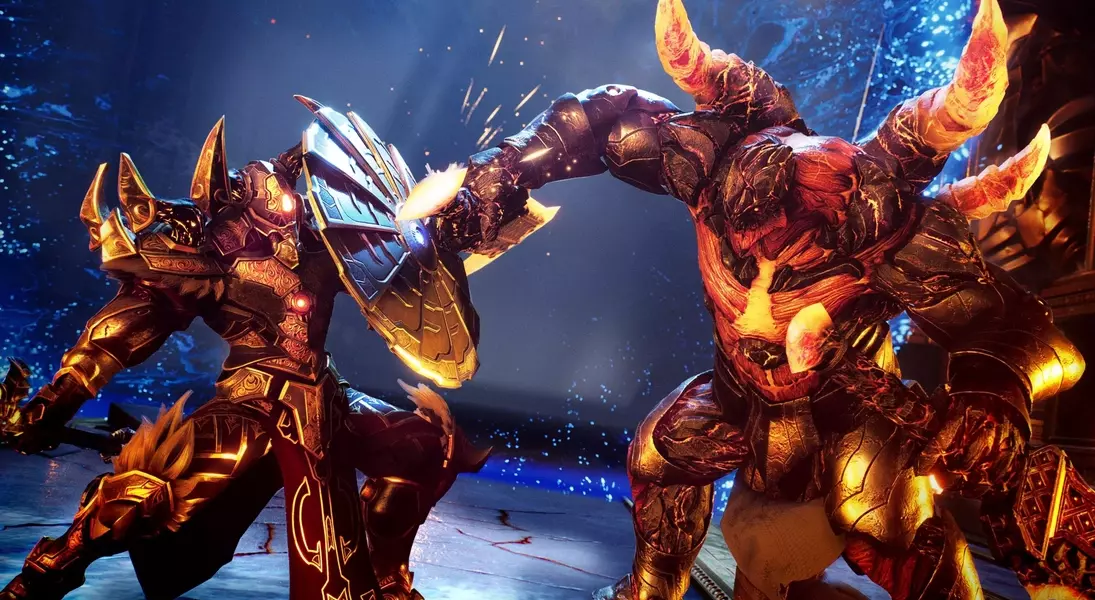
This evolving control scheme became particularly apparent with the release of new console generation titles like 'Godfall' and 'Assassin's Creed Valhalla.' In 'Godfall,' the R1 button was designated for light attacks, R2 for heavy attacks, and X for dodging—a setup the author initially found unusual. Similarly, 'Assassin's Creed Valhalla' continued the trend observed in 'Assassin's Creed Origins,' placing light attacks on R1/RB and heavy attacks on R2/RT. This consistency across different franchises underscores a broader industry shift, challenging long-standing player habits and preferences. The author’s experience with 'Immortals Fenyx Rising' further solidified this sentiment, leading to an active pursuit of control remapping options in every game that offers them, even if it leads to comical mishaps like accidentally attacking a horse.
Beyond personal preference, practical concerns contribute to the discussion. Constant use of bumper buttons for core actions can lead to premature wear and tear, an unwelcome prospect given the cost of gaming hardware. While some argue that bumper-based attacks allow players to maintain thumb positioning on joysticks for enhanced precision, the author contends that for the average gamer, the marginal gain in reaction time is less significant than the tactile satisfaction and muscle memory associated with face buttons. Ultimately, the debate boils down to fundamental design choices that impact player immersion and enjoyment. The evolving landscape of game controls should strive for a balance between innovation and accessibility, ensuring that players can customize their experience to match their comfort and play style, recognizing the innate human preference for intuitive interaction.
