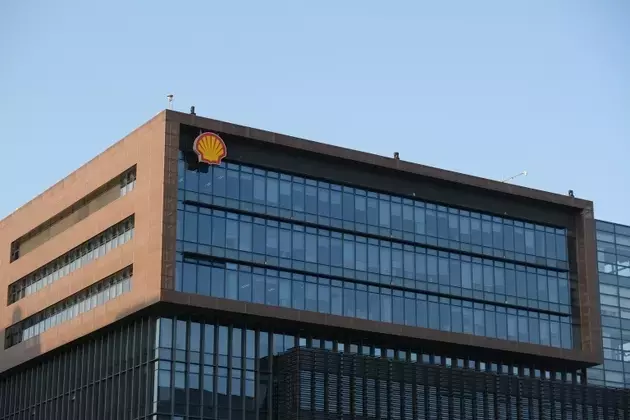
Shell plc has recently unveiled its financial outcomes for the fourth quarter and the full year of 2025, which have been largely met with disappointment. A significant contributor to this downturn is the underperformance of its upstream and liquefied natural gas (LNG) sectors, a situation further complicated by volatile oil and gas prices. The company's continued commitment to the renewable energy segment, which has largely been unprofitable, also presents a notable challenge.
The upstream segment's struggles are particularly pronounced, with lower oil and gas prices playing a critical role. This, coupled with declining output, has significantly impacted Shell's overall financial health. The company's reliance on a segment that is highly susceptible to commodity price fluctuations underscores the inherent risks in its traditional business model. In the face of these challenges, an upgrade in the investment rating from "Sell" to "Hold" is suggested, reflecting an optimistic outlook on external market forces. It is anticipated that the market conditions for oil, gas, and LNG producers will improve in the near future, potentially offering a much-needed boost to Shell's performance.
Moreover, the renewable energy division continues to be a financial burden. Investments in green hydrogen, in particular, are highlighted as areas that could lead to substantial write-downs or sustained losses over several years, should these projects proceed to completion. This aspect of Shell's portfolio raises questions about the long-term viability and profitability of its diversification strategy into green energy.
From an investment standpoint, a cautious approach is advised. A significant market correction, bringing Shell's forward price-to-earnings (P/E) ratio below 10, would present a more opportune moment for initiating a position. At such a valuation, the market would likely have already accounted for Shell's operational shortcomings compared to its industry counterparts, thereby offering a potentially attractive entry point for investors.
In summary, while Shell's latest financial results present a mixed picture, with traditional segments struggling amidst price volatility and renewable energy investments yet to yield significant returns, the broader market sentiment anticipates a turnaround. The strategic move to upgrade the stock to a "Hold" rating is underpinned by expectations of an improved external market for energy commodities. However, the path forward for Shell involves navigating the complexities of commodity markets while managing the financial implications of its green energy transition, making future performance highly contingent on both internal strategy and external market dynamics.
