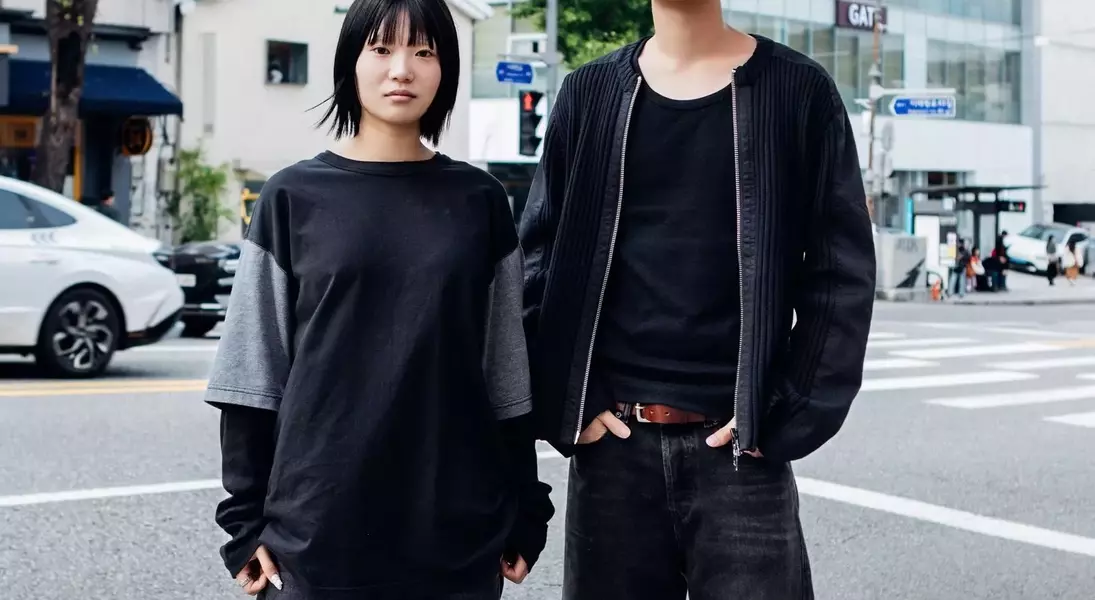

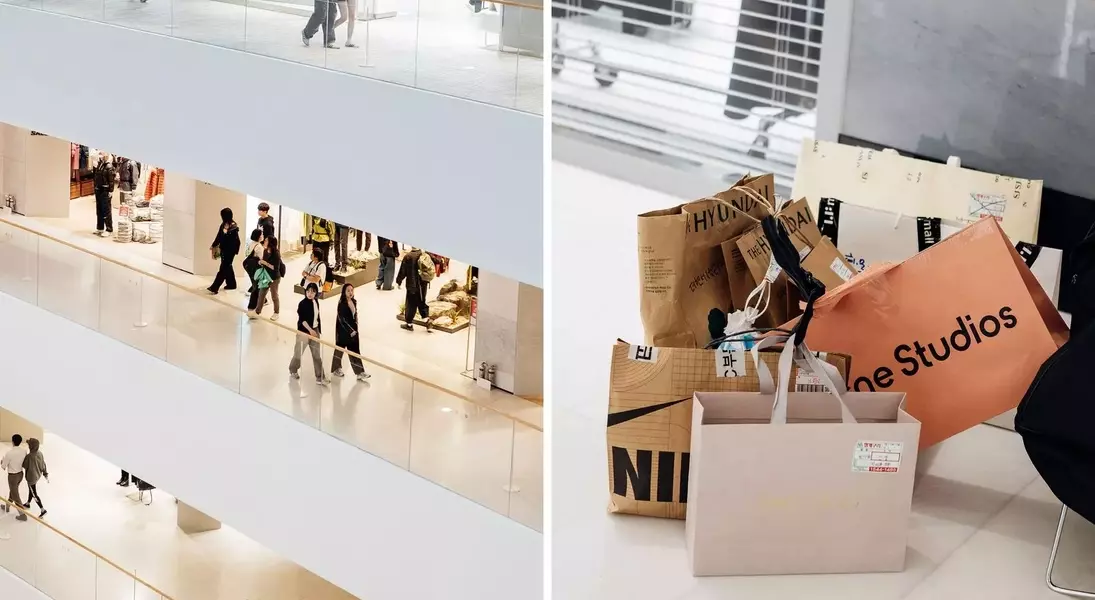
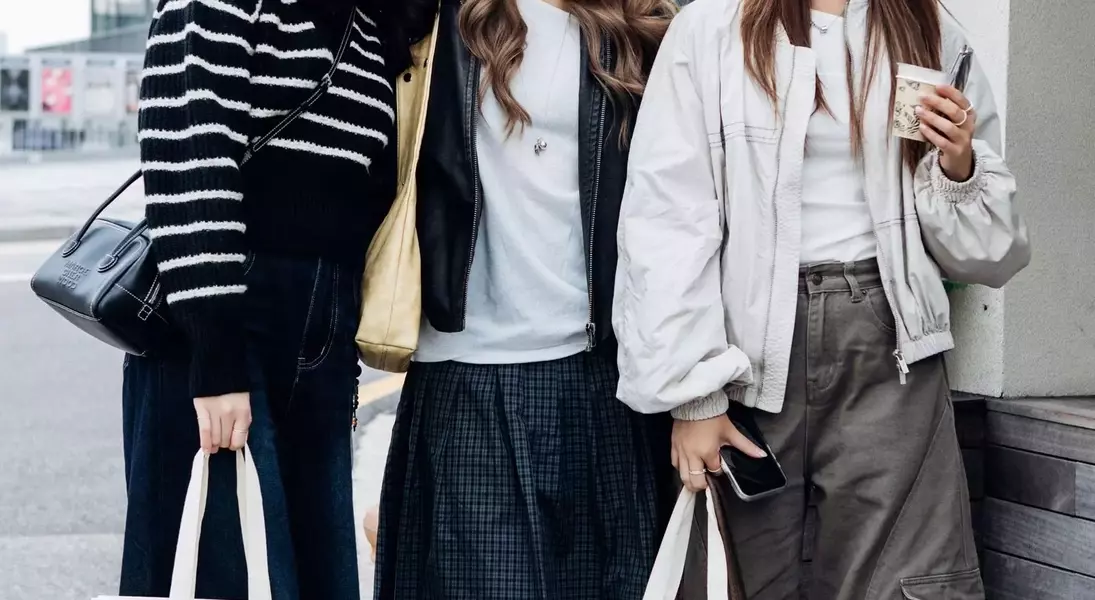
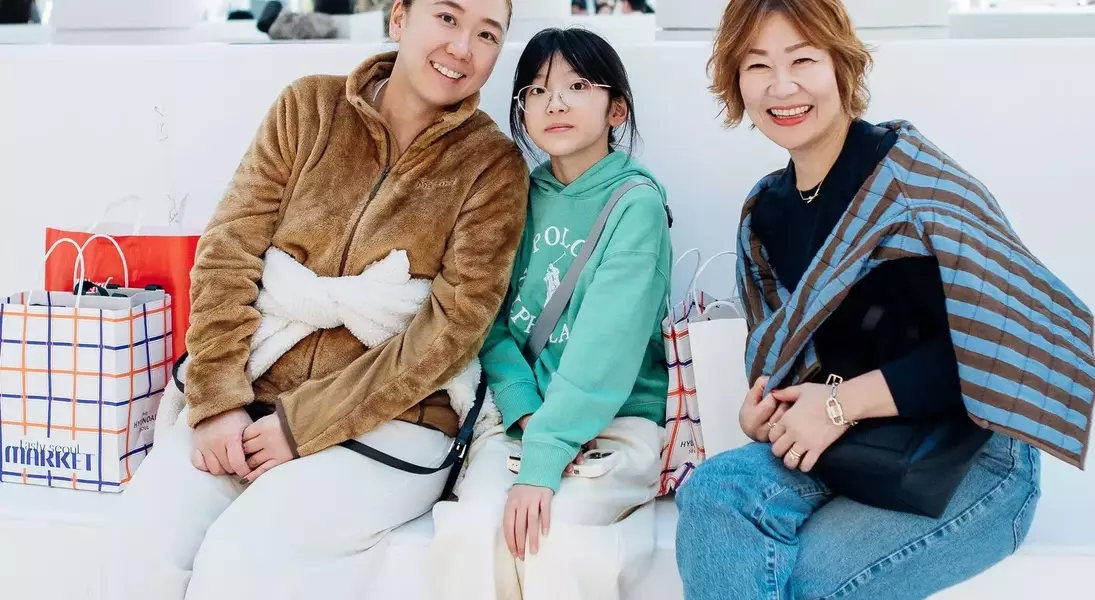
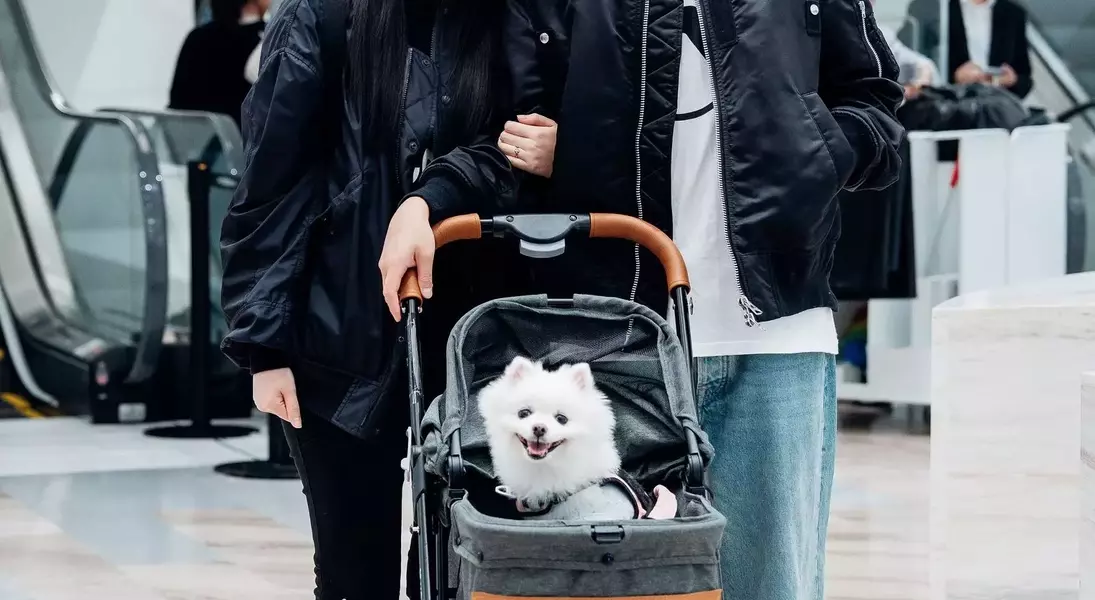
Seoul's retail environment is undergoing a significant transformation, evolving into a pivotal global center for luxury and fashion. This dynamic shift is fueled by the pervasive influence of K-culture, attracting a growing influx of international tourists who contribute substantially to the city's economic vitality through their spending. The market, characterized by its rapid adoption of trends and a discerning consumer base primarily composed of digitally native millennials and Gen Z, demands innovative retail strategies focused on experiential engagement rather than mere transactions. Both established luxury houses and emerging brands are adapting to this unique landscape, emphasizing localized approaches and strategic collaborations to thrive amidst intense competition and ever-changing consumer preferences. The city's retail scene, with its blend of traditional department stores and avant-garde multi-brand boutiques, offers a vibrant testing ground for global players.
To successfully navigate Seoul's competitive retail landscape, international brands must embrace a nuanced approach that prioritizes strong local partnerships and a deep understanding of consumer behavior. The market's distinct consignment model, where suppliers bear sales responsibility, underscores the importance of resilient strategies for newer labels. However, this system also presents opportunities for accelerated growth, as demonstrated by multi-brand boutiques leveraging department store foot traffic to introduce lesser-known brands. Furthermore, the city's trend-driven nature necessitates continuous evolution and a focus on immersive retail experiences to maintain customer loyalty. Brands that cultivate unique physical spaces, integrate technology, and foster genuine connections with shoppers are best positioned to capture the hearts and wallets of Seoul's sophisticated clientele, setting a new benchmark for global retail innovation.
The Evolving Retail Landscape and Consumer Preferences in Seoul
Seoul's retail sector is experiencing a period of significant growth and transformation, largely driven by the global phenomenon of K-culture. The city, a burgeoning hub for fashion and beauty, attracts millions of tourists annually, with their spending contributing a substantial portion to the local economy. This influx of visitors, coupled with a dynamic local population of tech-savvy millennials and Gen Z consumers, creates a fertile ground for retail innovation. Brands, both global powerhouses and local independents, are recognizing the strategic importance of Seoul as a trend incubator and a key market for luxury goods. The emphasis is shifting from conventional sales models to creating immersive, experience-driven retail environments that resonate with a highly discerning and trend-conscious demographic.
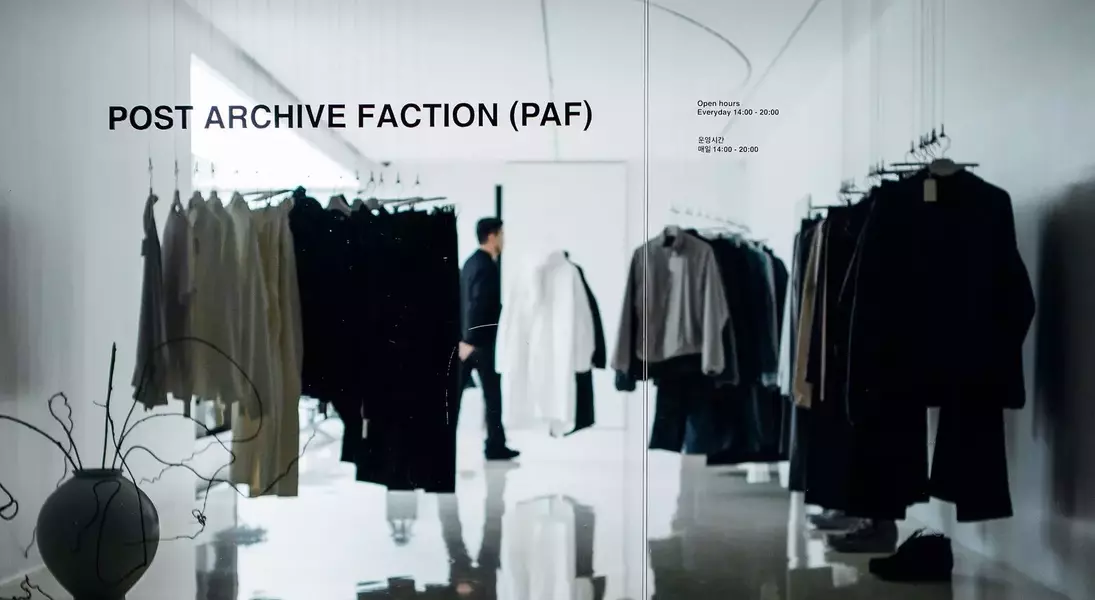
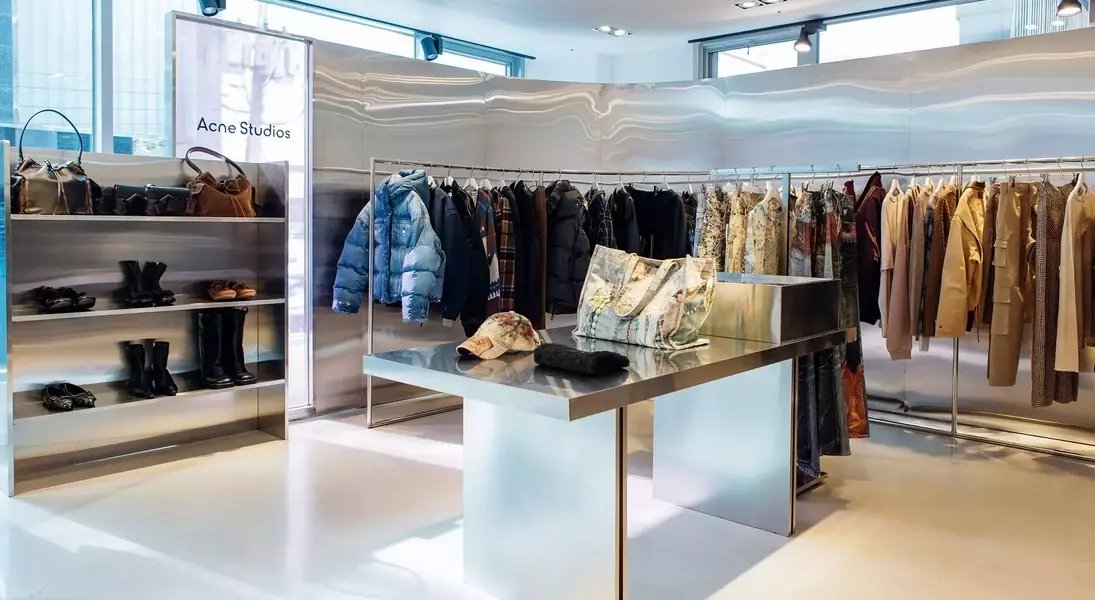
The Korean consumer base, particularly the 'MZ' generation, is characterized by its rapid embrace and swift abandonment of trends, demanding constant innovation and evolution from brands. This fast-paced environment means that retailers must offer more than just products; they need to provide compelling reasons for customers to visit physical stores. The market has seen a rise in concept stores, pop-ups, and artistic installations, all designed to offer unique, shareable experiences. Luxury brands are opening cafes and experiential spaces to engage younger consumers who may not yet be able to afford high-ticket items but are eager to connect with brand culture. This experiential focus extends to multi-brand boutiques, which differentiate themselves by offering exclusive items and curated selections, understanding that today's shoppers seek individuality and discovery over ubiquity.
Strategic Entry and Market Adaptation for International Brands
Entering the Seoul retail market presents both significant opportunities and unique challenges for international brands. The city's distinct consignment-based retail system, prevalent in department and multi-brand stores, places the burden of sales performance directly on suppliers. This model contrasts sharply with traditional retail approaches, requiring brands to be self-reliant in their sales efforts. Despite this, department stores can serve as powerful launchpads for emerging labels, offering access to larger customer bases and higher spending clientele, thereby facilitating brand recognition and market penetration. Successful brands in Seoul are those that strategically partner with knowledgeable local distributors and allocate a "landing period" to thoroughly understand and adapt to the local market's nuances.
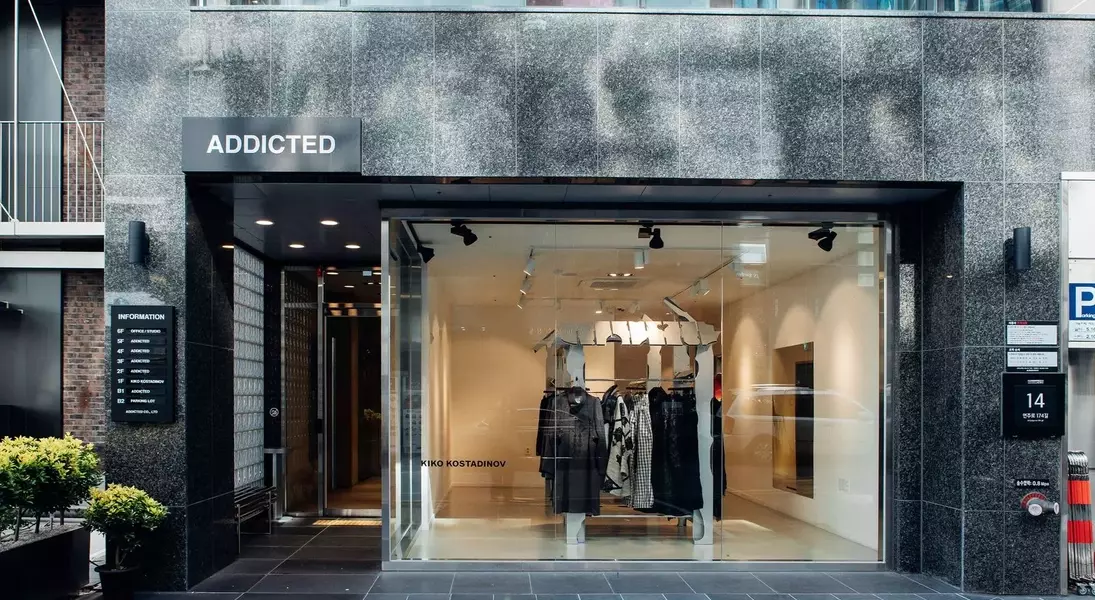
To flourish in Seoul, brands must adopt agile strategies that anticipate and respond to the fast-changing tastes of consumers. This involves moving beyond main shopping clusters and exploring neighborhoods that cater to specific demographics, as exemplified by brands establishing flagships in areas like Seongsu or Yaksu, often leveraging proximity to their headquarters for immediate feedback and agile product development. Building strong, loyal customer relationships is also paramount, especially given the cultural preference for deeper connections over casual interactions. Ultimately, a winning strategy in Seoul involves a blend of experiential retail, strategic collaborations (such as pop-ups or shop-in-shop concepts), and a continuous effort to offer novel, exclusive, and culturally relevant products that speak directly to the city's trend-forward and highly engaged consumers.
