
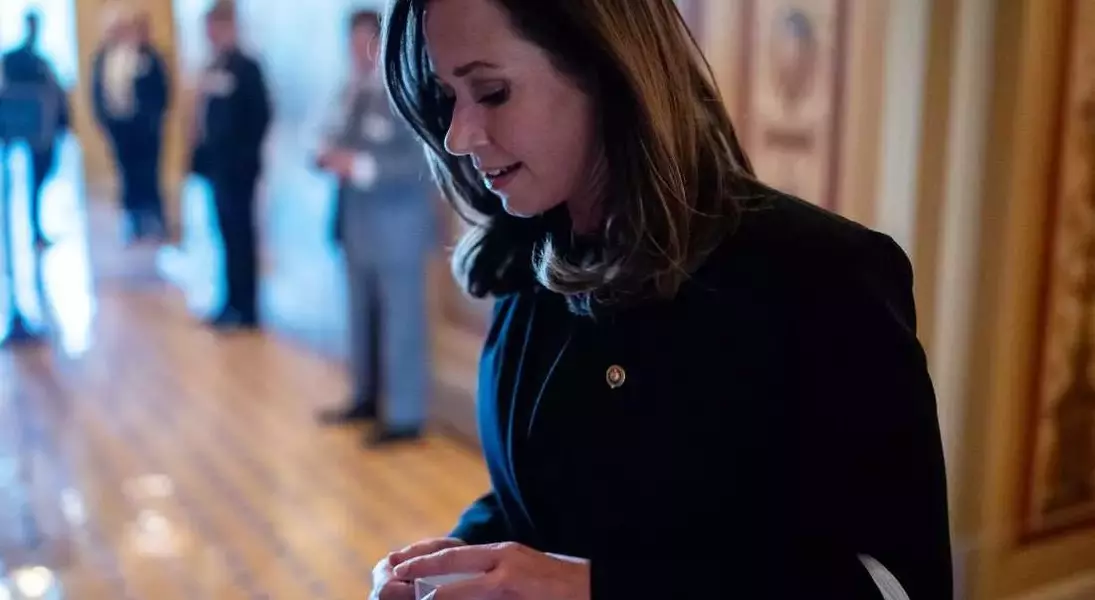
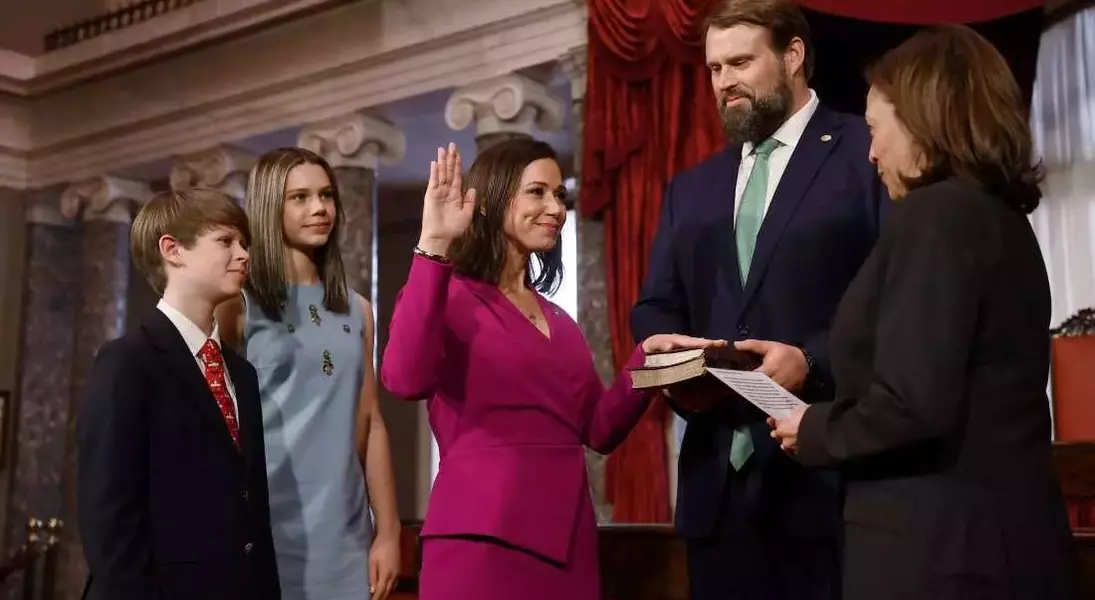
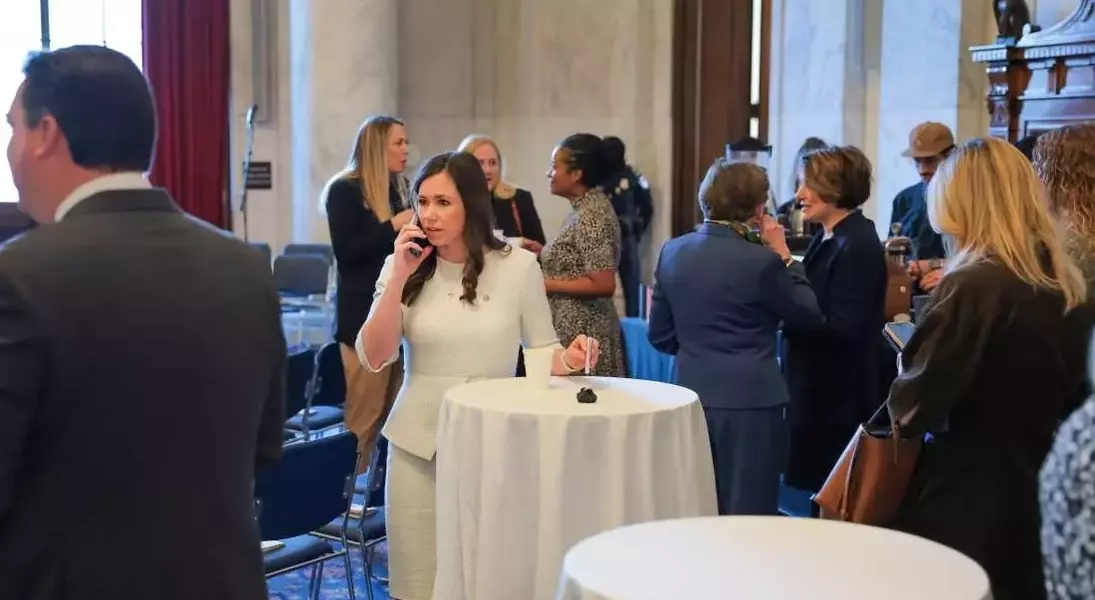
Senator Katie Britt, despite a challenging national introduction, has rapidly emerged as a skilled bipartisan negotiator. Two years ago, her televised response to the President's State of the Union address, delivered from her kitchen, led to an unflattering portrayal by Saturday Night Live as an overly intense 'scary mom.' This initial public image belied her deep-seated political acumen and her commitment to collaborative governance, a trait that colleagues now widely recognize as her hallmark in the Senate. Currently, she is at the forefront of intricate discussions to reform immigration enforcement, a critical issue highlighted by recent tragic events in Minneapolis, and is navigating the complexities of funding the Department of Homeland Security amidst political deadlock.
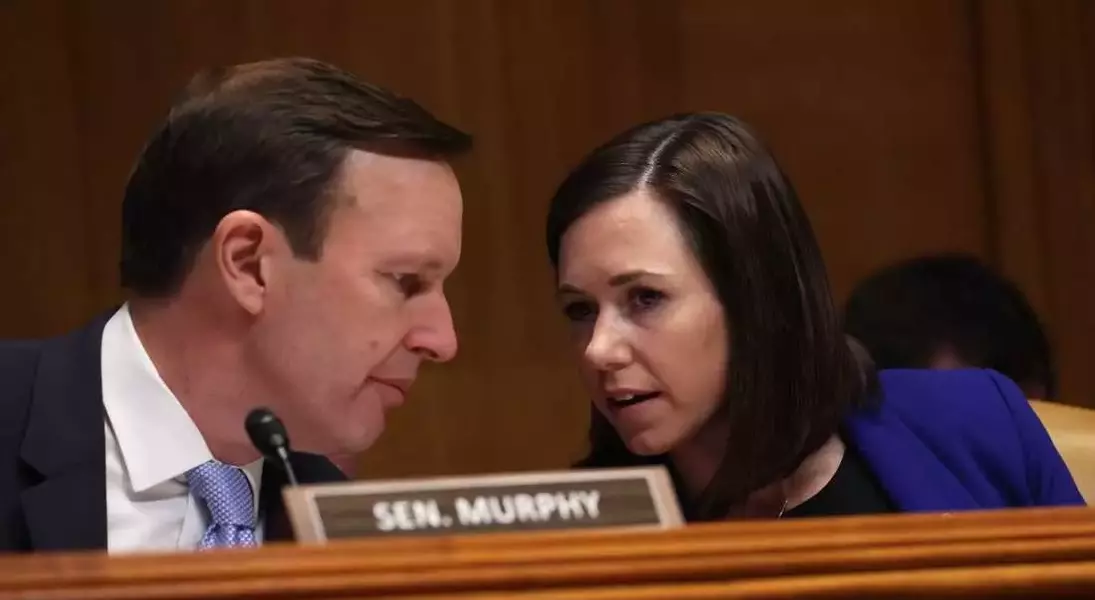
Britt's foundation as a dealmaker was meticulously built during her tenure on Capitol Hill. Mentored by former Senator Richard Shelby, she absorbed invaluable lessons on fostering trust and forging genuine relationships across party lines. Shelby, a prominent figure on the Senate Appropriations Committee, emphasized that successful deal-making relies on integrity and camaraderie, an environment where political adversaries could nonetheless become allies. Britt’s diligent approach, including proactively meeting all 99 Senate chiefs of staff within weeks of assuming her role, solidified her reputation as a serious and approachable legislator. This groundwork proved crucial when she collaborated with Democratic Senator Tim Kaine to avert a government shutdown, showcasing her ability to bridge divides even on contentious issues like affordable child care.
However, this delicate balancing act between bipartisan cooperation and party loyalty presents ongoing challenges. While Britt consistently aligns with the former president's legislative agenda, she demonstrated independent judgment by criticizing a racially charged video shared on his social media. This incident underscores the complexities faced by politicians striving for consensus in an era of heightened political polarization. Britt's constituents, she affirms, sent her to Washington to find workable solutions, not to retreat into partisan corners. Her pragmatic stance, prioritizing tangible outcomes for Alabama and the nation, positions her as a 'facilitator' rather than an 'ideologue,' a role that, while more difficult in today's political climate, remains vital for effective governance.
Senator Britt's journey illustrates that leadership in a diverse society demands more than adherence to party lines; it requires a genuine commitment to understanding and bridging differences. Her dedication to finding common ground, even when unpopular, serves as a powerful reminder that progress often stems from collaboration and mutual respect. In a political landscape often dominated by conflict, her example inspires hope that meaningful solutions can still be forged through persistent dialogue and a willingness to transcend partisan divides for the greater good.
