
Sega, a renowned video game developer and publisher, recently announced a significant shift in its strategic direction, opting to discontinue its long-standing "Super Game" initiative. This decision marks a pivotal moment for the company as it re-evaluates its approach to game development and market engagement, choosing to prioritize its beloved and established intellectual properties over the pursuit of new, large-scale free-to-play ventures.
Sega's Strategic Reorientation: Back to Core Strengths
The Demise of a Grand Vision: "Super Game"'s Unceremonious End
After nearly half a decade of anticipation surrounding its enigmatic "Super Game" project, Sega has formally ceased its development. The parent company, Sega Sammy, disclosed in a recent financial report its decision to terminate the project, citing a re-evaluation of its strategy concerning free-to-play games as a service. This move effectively closes the chapter on an ambitious undertaking that promised a new global intellectual property.
Re-deploying Talent: A Shift Towards Proven Success
In a strategic reallocation of resources, Sega has transferred over 100 personnel from the defunct "Super Game" team to other development units focused on its flagship franchises. This significant shift underscores Sega's renewed commitment to its core game series, moving away from experimental free-to-play models. This decision aims to bolster the development of popular and established titles, leveraging existing brand loyalty and proven gameplay mechanics.
Reviving Classics: New Titles for Beloved Franchises
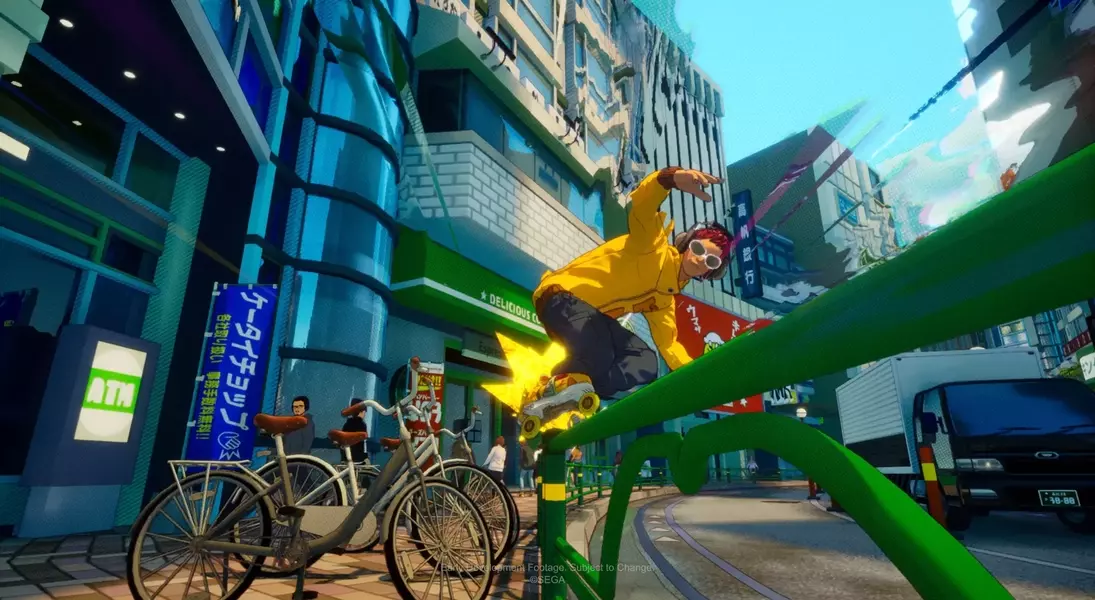
Fans can anticipate new iterations of iconic Sega games, as the company confirms ongoing development for several highly anticipated titles. Among these are fresh installments for "Jet Set Radio," "Crazy Taxi," "Golden Axe," and "Streets of Rage," all of which were previously teased at The Game Awards. Additionally, Sega has reaffirmed its commitment to a new "Virtua Fighter" game and a follow-up to the critically acclaimed "Alien: Isolation," promising an exciting future for these cherished series.
The Industry's Evolving Landscape: A Broader Trend
Sega's decision to cancel the "Super Game" aligns with a growing industry trend where major publishers are scaling back investments in games-as-a-service (GaaS) models. Over the past decade, numerous developers pursued the lucrative GaaS market, inspired by the success of titles like "Fortnite" and "Grand Theft Auto Online." However, many have found it challenging to break through the dominance of established hits, leading to a re-evaluation of this development strategy across the gaming sector.
A Return to Roots: Sega's Advantage in a Competitive Market
Fortunately for Sega, its rich portfolio of proven intellectual properties provides a robust foundation to navigate the evolving gaming landscape. By focusing on its established franchises, Sega can capitalize on existing fan bases and deliver experiences that resonate deeply with players. This strategic emphasis on core strengths is expected to benefit both the company's financial performance and the long-term satisfaction of its dedicated fan community.
