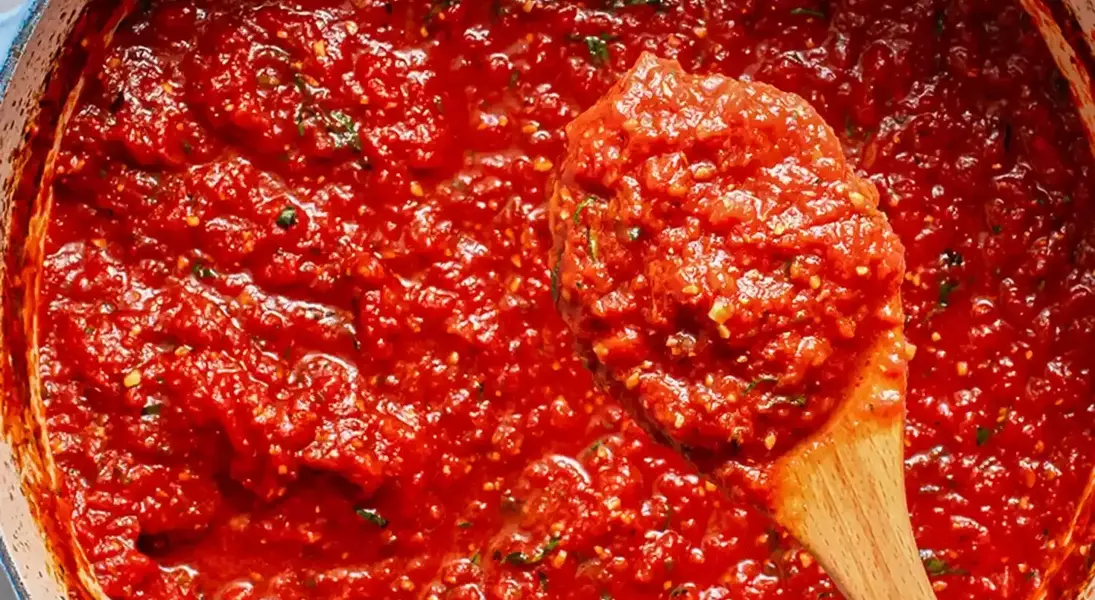
Have you ever spent hours lovingly preparing a tomato sauce, only to find it ruined by a harsh, bitter undertone? Many home chefs mistakenly attribute this to subpar ingredients or bad luck. However, the culprit is often overcooked garlic. This common culinary misstep can derail an otherwise perfect dish, as garlic's natural sugars make it prone to burning quickly, especially when finely minced. The good news is, with a simple technique adjustment, you can preserve garlic's aromatic essence and ensure your tomato sauce remains sweet and balanced.
The Delicate Art of Garlic in Sauce: A Culinary Revelation
In the culinary world, achieving the perfect tomato sauce is a revered skill, and the treatment of garlic plays a pivotal role. As acclaimed culinary expert Daniel Gritz, the editorial director at Serious Eats, meticulously demonstrated in his extensive tests, the timing and temperature of cooking garlic are paramount. In a striking comparison, finely chopped garlic subjected to high heat scorched in a mere 15 seconds, releasing a pungent, acrid aroma. In stark contrast, when cooked gently over a low flame, the same amount of garlic took approximately four and a half minutes to reach an undesirable stage, highlighting the profound impact of heat management. This careful control prevents the volatile sugars within garlic from caramelizing too quickly, which is often the source of bitterness. Furthermore, chef Kenji López-Alt, another luminary in the culinary field, emphasizes in his renowned Italian-American tomato sauce recipe the importance of avoiding garlic presses or rasp graters. These tools, he notes, create such fine particles that they are predisposed to charring instantly. Instead, a thoughtful hand-chop ensures the garlic pieces are substantial enough to withstand slow cooking, allowing them to gently release their sweet, savory compounds into the fat and, subsequently, infuse the entire sauce with a nuanced depth that is both rich and utterly devoid of any unwelcome bitterness.
This insight is a game-changer for anyone aspiring to master the art of tomato sauce. By understanding and respecting the delicate nature of garlic, we can transform a potentially disappointing dish into a truly exceptional one. It reminds us that sometimes, the most profound improvements in cooking come not from complex techniques or exotic ingredients, but from a deeper appreciation of the basics and a patient, gentle approach to familiar flavors.
