
The author's initial interaction with "Tears of the Kingdom" was marred by visual and performance shortcomings on the original Switch, leading to a perception of the game as dull and graphically inferior. Key issues included poor resolution, garish colors, and significant lag, which collectively detracted from the gameplay experience and led them to abandon the game for other titles like "Baldur's Gate 3." However, the introduction of the Switch 2 and its substantial hardware enhancements completely revolutionized their view. These upgrades eliminated the previous technical problems, revealing a vastly improved and engaging world within Hyrule, leading to renewed enthusiasm and extensive playtime.
Revisiting the game after the Switch 2's launch, the author discovered a fundamentally different and much more enjoyable experience. The technical improvements not only resolved the previous visual and performance issues but also unveiled the game's inherent qualities that were previously obscured. This transformation allowed the author to appreciate the depth and design of "Tears of the Kingdom," turning a once-dismissed title into a favored pastime.
Initial Disappointment: The Original Switch Experience
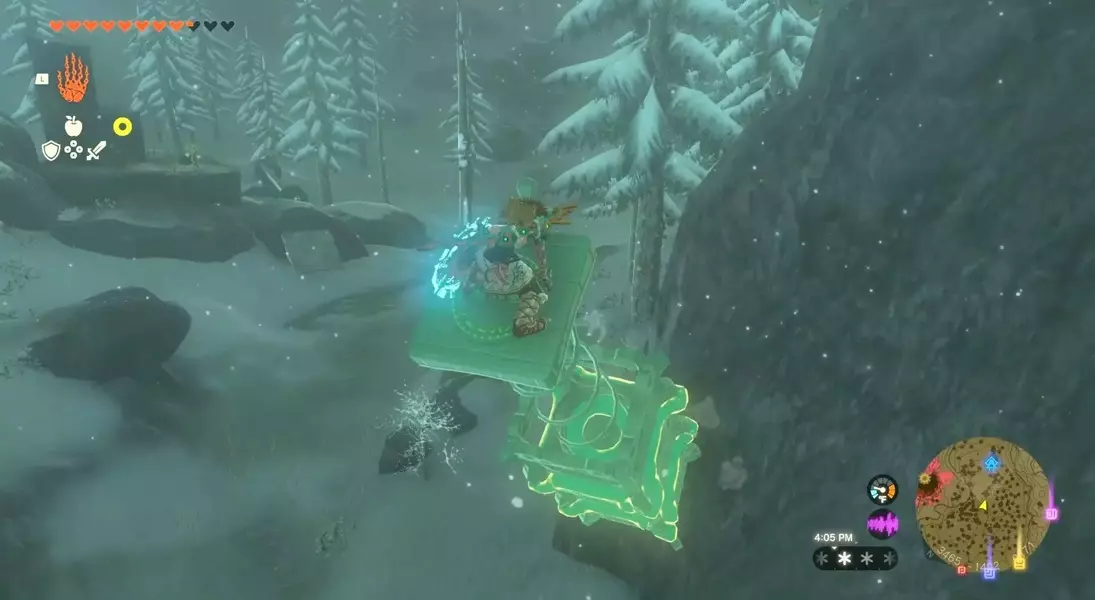
Upon its initial release in 2023, the author's engagement with "The Legend of Zelda: Tears of the Kingdom" was largely negative, primarily due to the original Nintendo Switch's technical limitations. The game's visual presentation was deemed subpar, characterized by a "garish" yellow palette for the Sky Islands, low resolution that rendered Link's face blurry, and distant landscapes appearing as "gritty-looking half-shapes." Even minor elements like grass suffered from jagged edges and visual noise. Performance issues further compounded the problem, with frequent frame drops, laggy camera movements, and noticeable load times. Building and moving objects using Link's Ultrahand ability often resulted in significant resolution drops in handheld mode, contributing to a consistently frustrating and unpolished experience. These technical flaws, combined with the pressure to complete the game before the release of "Baldur's Gate 3," led the author to perceive "Tears of the Kingdom" as a chore rather than an enjoyable adventure, ultimately leading to their decision to abandon the game.
The initial impression of "Tears of the Kingdom" on the first-generation Switch was one of significant disappointment, primarily stemming from a confluence of graphical and performance drawbacks. The author found the visual fidelity to be a major barrier to enjoyment, describing the game's aesthetics as "ugly" due to pervasive low resolution and unflattering color choices, particularly the vivid yellow of the Sky Islands. This visual compromise extended to character models, which appeared blurry, and distant environments, which lacked detail and appeal, making exploration less enticing. Beyond aesthetics, the gameplay suffered from tangible performance issues, including a persistent fuzziness over the entire display, frequent frame rate drops, and unresponsive camera controls, creating a sense of sluggishness. The act of manipulating in-game objects with the Ultrahand power often exacerbated these problems, causing resolution to dip further and diminishing the immersive quality. These accumulated technical grievances, alongside the impending release of another highly anticipated title that demanded the author's attention, culminated in a decision to set "Tears of the Kingdom" aside, as the enjoyment was consistently overshadowed by technical frustrations and a feeling of being rushed through the experience.
Rediscovery Through Enhanced Hardware: The Switch 2 Transformation
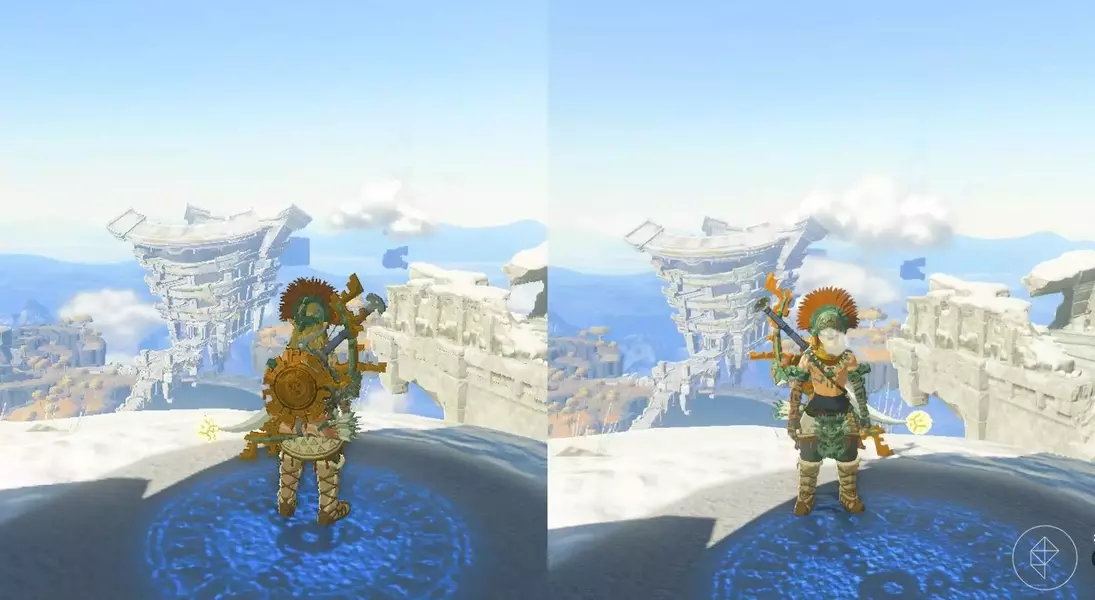
The advent of the Switch 2 brought about a dramatic re-evaluation of "Tears of the Kingdom" for the author. What was once considered a "mess" due to performance and graphical shortcomings was transformed into a profoundly enjoyable experience. The upgrades delivered by the new hardware addressed and resolved nearly all of the previous complaints: the "icky" Sky Island Yellow now appeared more natural and artistically integrated, grass details were sharply defined without grainy textures, and character models were no longer distorted. Crucially, irritating issues such as laggy camera movements and protracted load times were virtually eliminated, making activities like fast travel and entering shrines seamless rather than punishing. This significant enhancement allowed the underlying qualities of the game to shine through, liberating the author from minor annoyances and enabling them to truly appreciate the depth and design of Hyrule. The result was a renewed engagement with the game, accumulating over 120 hours of playtime since the Switch 2 upgrade, testament to the profound impact of improved hardware on the overall gaming experience.
The introduction of the Nintendo Switch 2 proved to be a pivotal moment for the author's perception of "Tears of the Kingdom," completely altering a previously negative assessment. The enhanced hardware fundamentally revitalized the game by rectifying the multitude of technical deficiencies that had initially hindered enjoyment. Visual elements, once a major point of contention, were dramatically improved; the vibrant hues of the Sky Islands, initially perceived as garish and poorly rendered, now displayed with a newfound subtlety and artistic intention. The persistent blurriness and jagged edges that marred character models and environmental textures were replaced with crisp, well-defined graphics, making the world of Hyrule far more appealing and immersive. Crucially, the debilitating performance issues such as frequent frame rate drops, unresponsive camera controls, and prolonged loading screens were virtually eradicated. This seamless performance not only removed sources of frustration but also allowed the game's intrinsic design and narrative depth to become apparent. With these technical barriers removed, the author could finally engage with the exploration, combat, and unique building mechanics without interruption. This transformed experience led to a deep appreciation for the game's intricate open world, its balanced challenges, and its compelling narrative context, prompting the author to spend significantly more time in Hyrule and view "Tears of the Kingdom" as a truly exceptional title.
