
The Scuf Omega controller enters a competitive market, attempting to carve out a niche with its dual PC and PS5 compatibility and advanced features. This review explores whether its offerings justify its premium price tag.
Precision Gaming, Uncompromised Comfort
Unpacking the Feature Set of the Scuf Omega Controller
In a landscape increasingly populated by high-performance gaming controllers, Scuf's latest offering, the Omega, seeks to differentiate itself. While it boasts cross-platform compatibility for both PC and PlayStation 5, along with an array of additional triggers on its grips, the market has evolved significantly. Modern pro controllers from major brands like Asus, Turtle Beach, and Razer now offer robust alternatives, and even more affordable options from companies such as GameSir provide compelling value. Consequently, simply adding a few extra buttons is no longer sufficient; a truly exceptional controller must deliver unique advantages or be remarkably budget-friendly.
Ergonomic Design: A Closer Look at Player Comfort
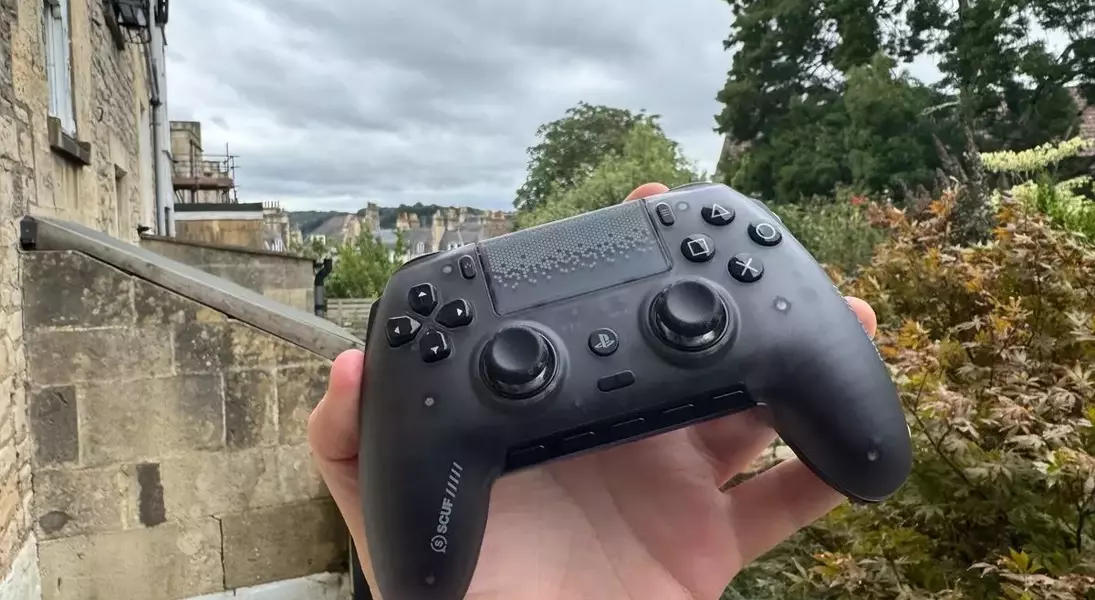
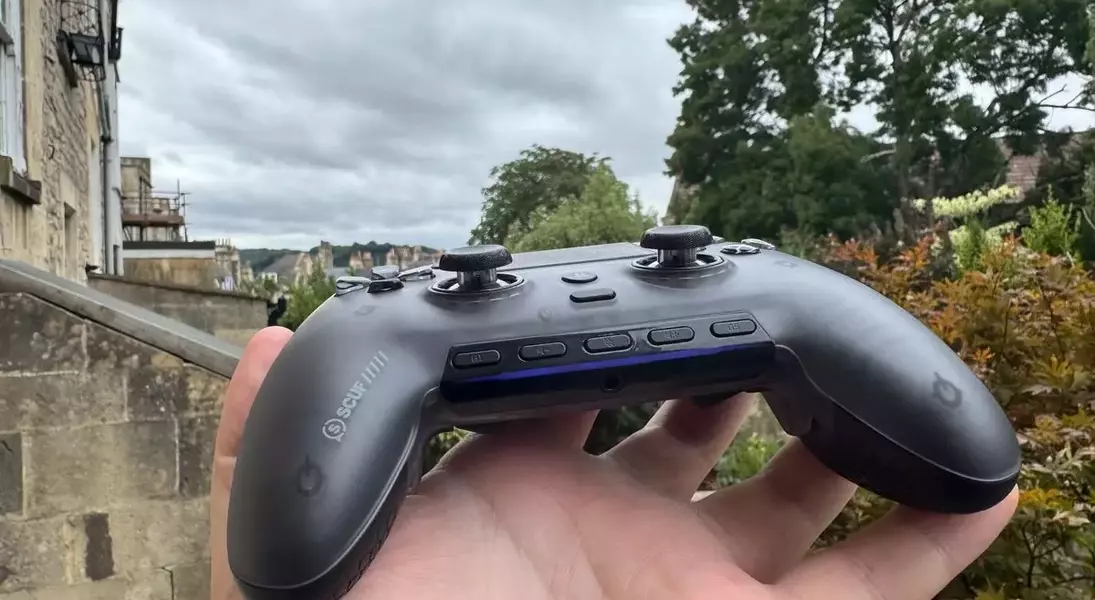
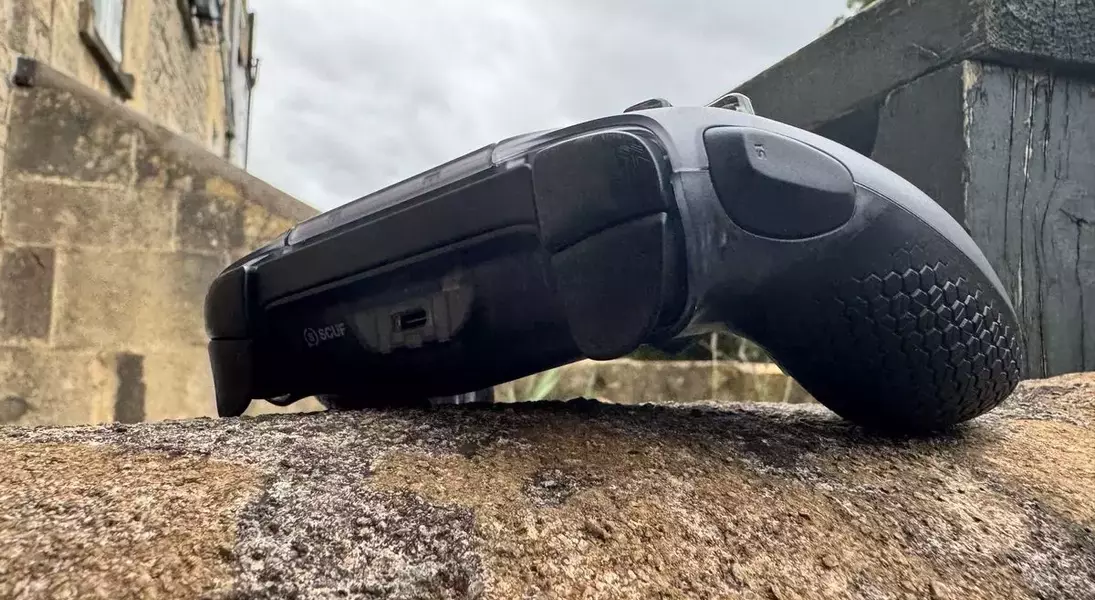
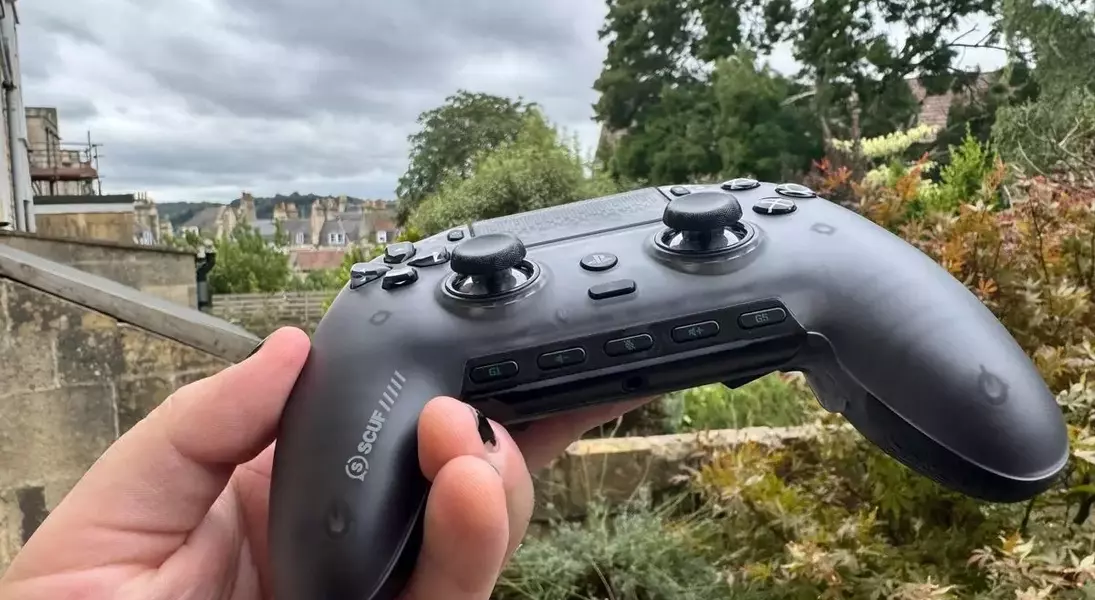
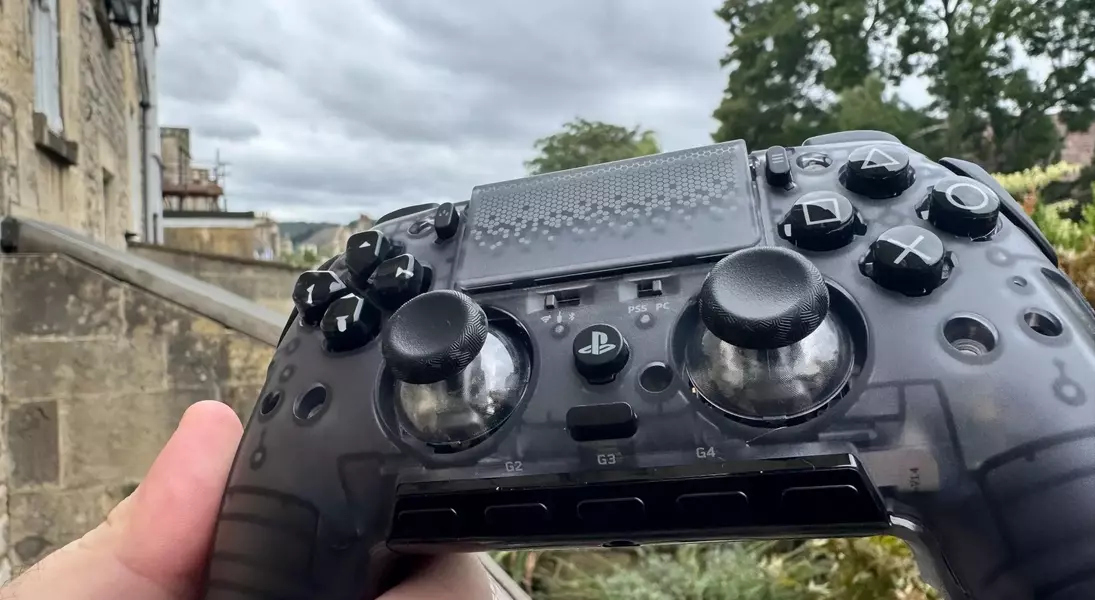
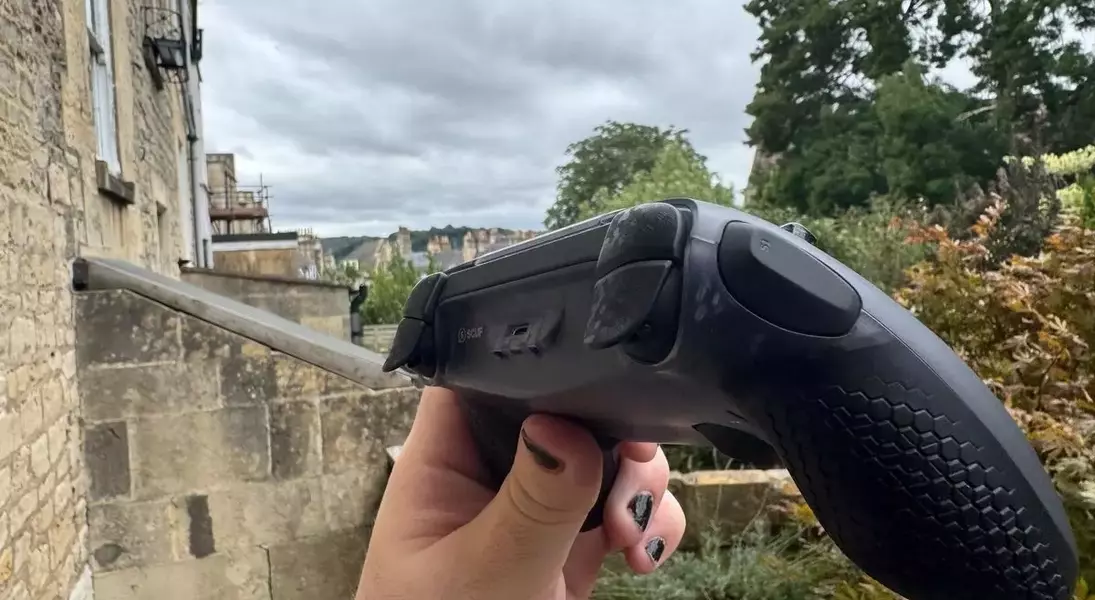
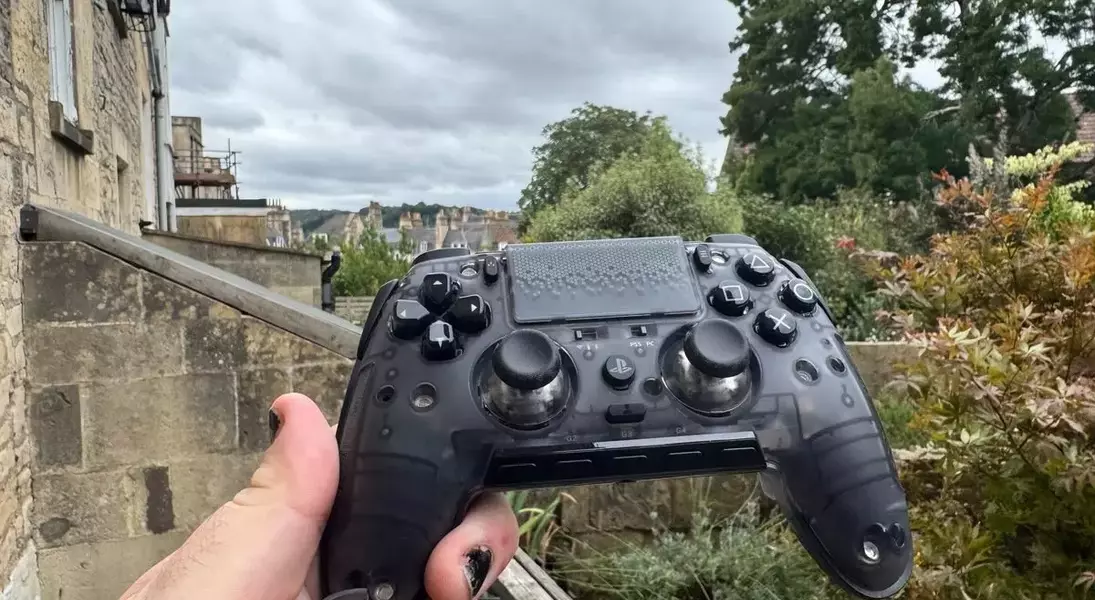
The Scuf Omega distinguishes itself by mirroring the ergonomic contours of Sony's DualSense controller. Its official Sony license means it features a PlayStation button, and its familiar curves, shape, and touchpad create a comfortable, recognizable feel. Despite distinct trigger and button sounds, the overall tactile experience is largely consistent with Sony's design. However, the Omega introduces five additional buttons at the bottom, two on the sides, and four paddles on the back, offering extensive customization. The removable faceplate further enhances its adaptability, drawing parallels to the DualSense Edge.
Beyond its PlayStation-inspired design, the Scuf Omega incorporates several hallmark features of pro controllers. It utilizes TMR thumbsticks and offers a wealth of customizable buttons. However, its polling rate peaks at 1,000 Hz on PC and is capped at 250 Hz on PS5. While an 8,000 Hz polling rate might seem excessive for the average gamer, especially for wireless devices where it impacts battery life, a premium controller costing upwards of $200 typically suggests competitive-level specifications. This discrepancy raises questions about its suitability for hardcore competitive players who demand peak performance.
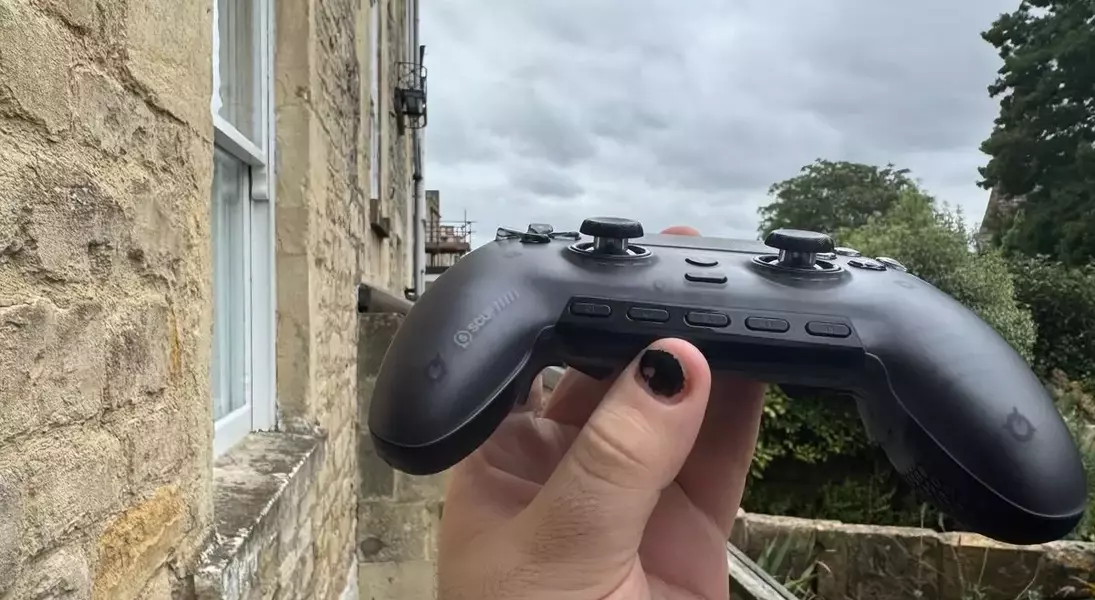
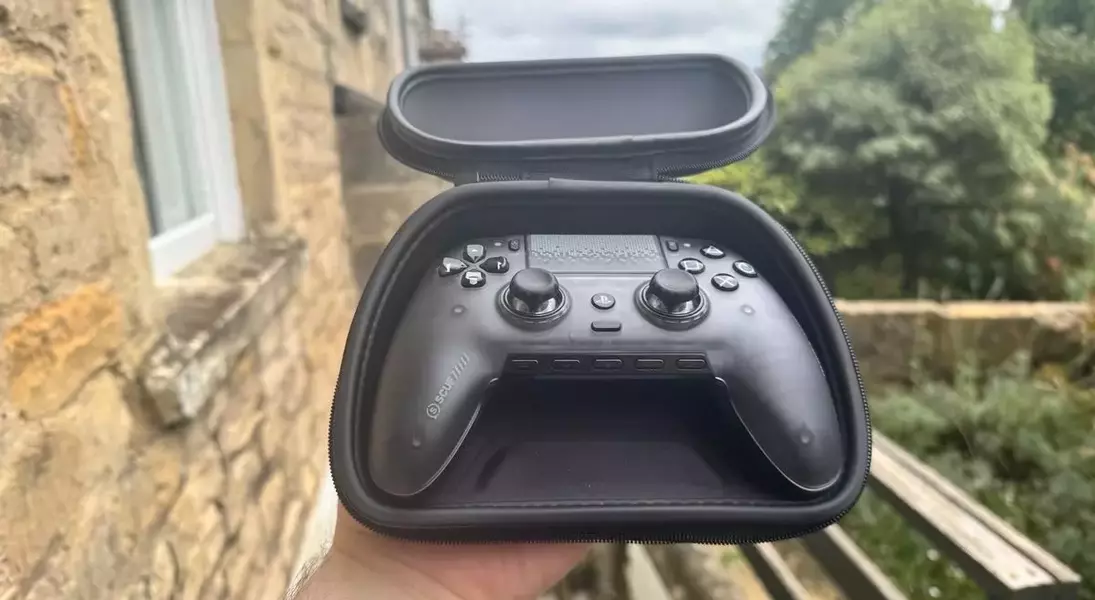
This nuanced feature set creates a mixed impression. The abundance of customizable buttons, designed for efficiency and speed, implies a competitive focus. Yet, the polling rate, a critical factor for competitive play, lags behind some rivals. The Omega is equipped with Omron mechanical switches, ensuring crisp, responsive feedback, and its five 'G-keys' at the bottom can be individually programmed. With approximately 15-20 hours of battery life, it surpasses Sony's controllers but falls short of some professional alternatives from Razer and GameSir. The package includes a 2.4 GHz connector, a carrying case, a 6-foot braided cable, three extra thumbsticks, and blanking plates to conceal the inner paddles and side buttons, allowing for a more streamlined appearance if desired.
Performance Analysis: Responsiveness and Connectivity
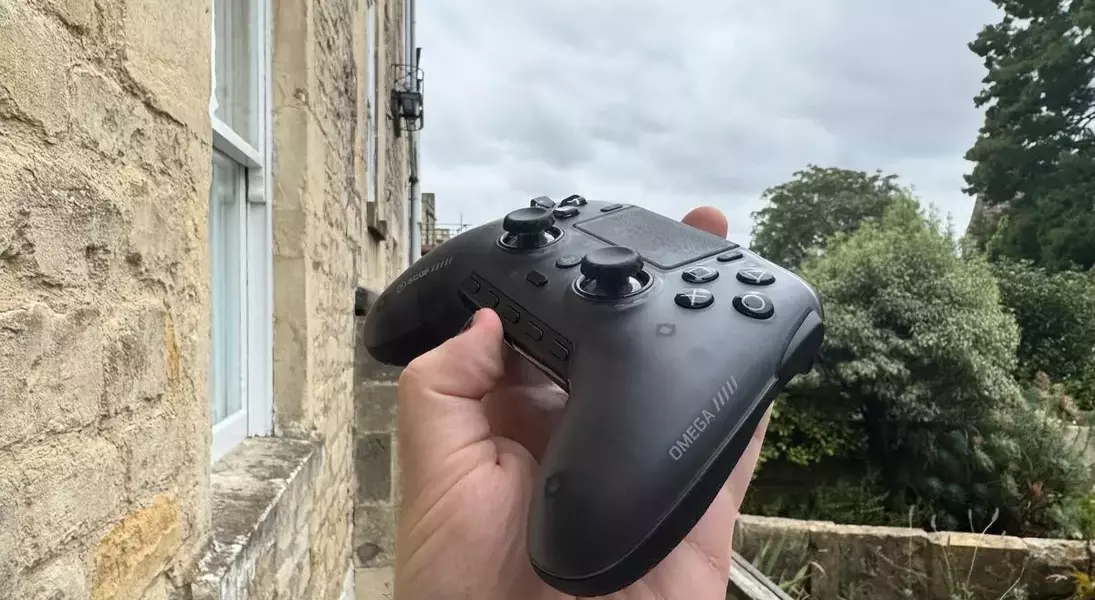
The Scuf Omega fits comfortably in the hand, offering a lightweight design and easily accessible buttons. Its similarity to Sony's controllers in size and feel is a notable advantage. The abundance of buttons, while initially overwhelming, provides extensive customization options. Although some side triggers and bottom paddles were not consistently incorporated into regular gameplay, the sheer number of available inputs allows players to adapt and find optimal configurations, offering a marginal speed advantage over traditional controllers.
Evaluating the Build Quality and Durability
The 1,000 Hz polling rate on PC is a significant drawback given that many high-end gamepads now offer 8K polling. While this is capped at 250 Hz on PS5 for non-official controllers, the PC performance falls short of expectations for a competitive device. Competitors like the GameSir G7 Pro offer similar polling rates, drift-resistant sticks, and a charging dock, making them more compelling options. The Omega's dual connectivity for Sony and PC is useful, but the inclusion of only one connector and the need to remove the faceplate to swap connections make the process cumbersome. Despite these shortcomings, the buttons provide smooth, consistent feedback, with a well-defined and clicky D-pad, and snappy triggers with both linear and long-press modes. The Omicron mouse-like switches enhance rapid firing in games, and the TMR thumbsticks are user-friendly. In games like Onimusha: Way of the Sword, the controller's numerous buttons and comfortable design facilitated fluid parrying, attacking, and movement.
Aesthetics: Design and Customization
Despite its robust features, the controller's build quality doesn't quite match the solidity of Razer's pro offerings. It feels less substantial, and a slight rattle upon shaking it suggests a less premium construction compared to its rivals. While this doesn't directly impact gameplay, it contributes to a perception of lower quality for its price point.
Software Experience: Mobile App Integration
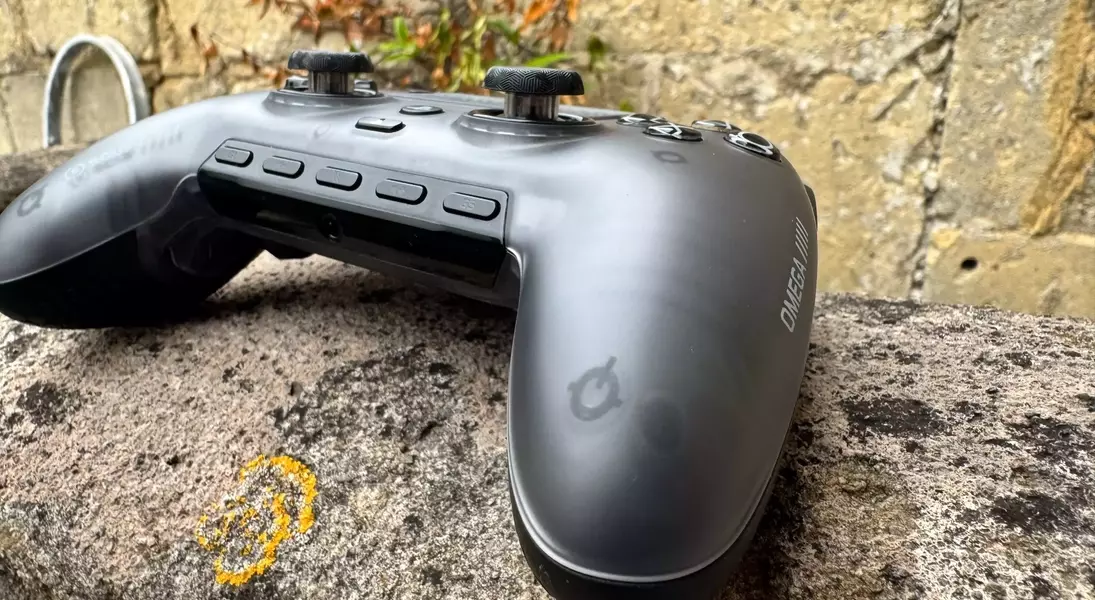
The Smoke model of the Scuf Omega, while visually understated, features an RGB strip that serves a practical purpose: indicating the function of its five bottom buttons (mute, volume up/down, and two customizable keys). Its semi-transparent casing offers a subtle glimpse of the internal components without being overly flashy. While the controller integrates its numerous extra buttons well into its overall shape, the central paddles on the back feel somewhat awkwardly placed. The ability to remove the faceplate suggests customization potential, though replacement options were not available at the time of writing.
Value Proposition: Is the Scuf Omega Worth the Investment?
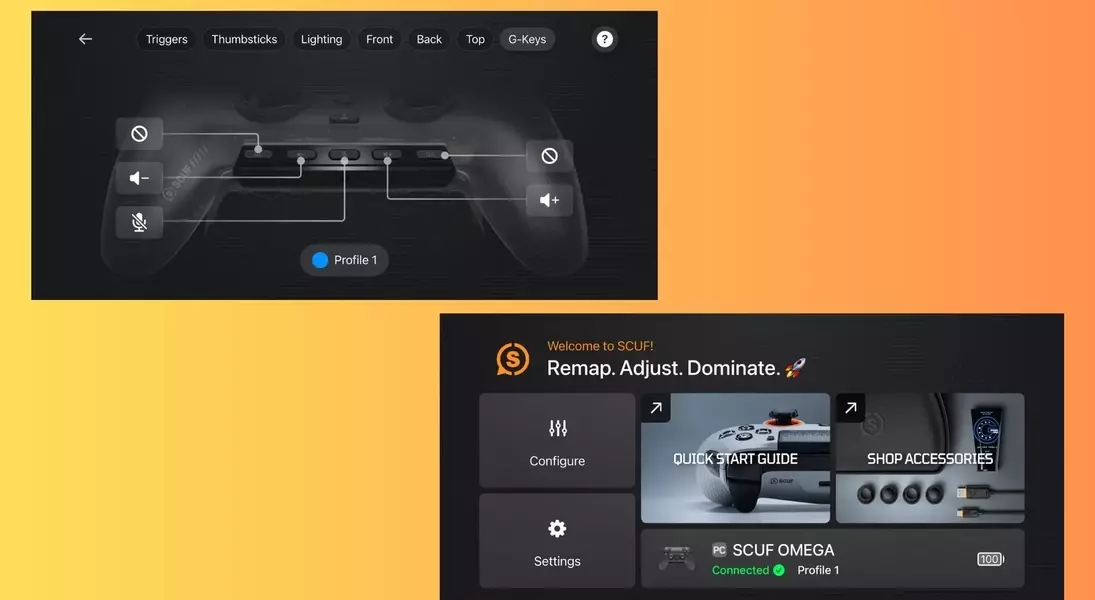
Scuf's software management, primarily via a mobile app, allows users to adjust brightness, polling rate, SOCD settings, firmware, and calibration. The app itself is responsive, intuitive, and seamlessly pairs with the controller, providing an efficient way to customize settings on the fly.
The Scuf Omega presents a challenging value proposition. For a similar price, the Razer Raiju V3 Pro offers superior build quality and a higher PC polling rate, making it a more attractive option for those prioritizing PC and PS5 compatibility. For dedicated pro-level features, the Razer Wolverine V3 Pro 8K, with its 8,000 Hz polling rate, comes at a lower cost. Budget-conscious gamers seeking extra buttons and solid construction can find better value in options like the GameSir G7 Pro or GameSir G7 Pro 8K, which also include charging docks. Ultimately, the Scuf Omega's price point feels steep for a controller that, while good, doesn't quite stand out against its formidable competition.
