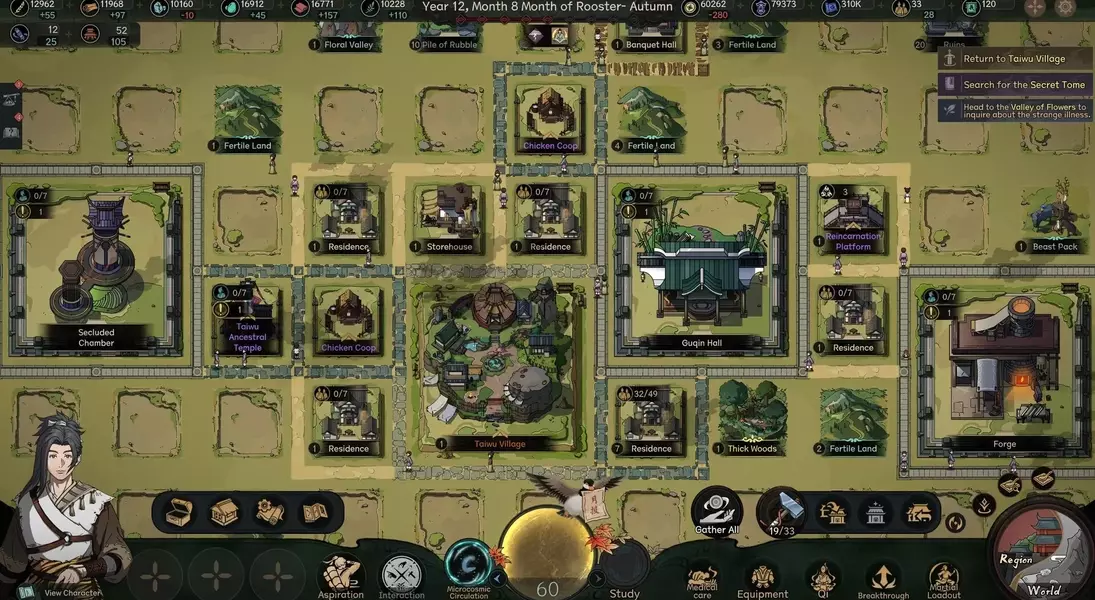
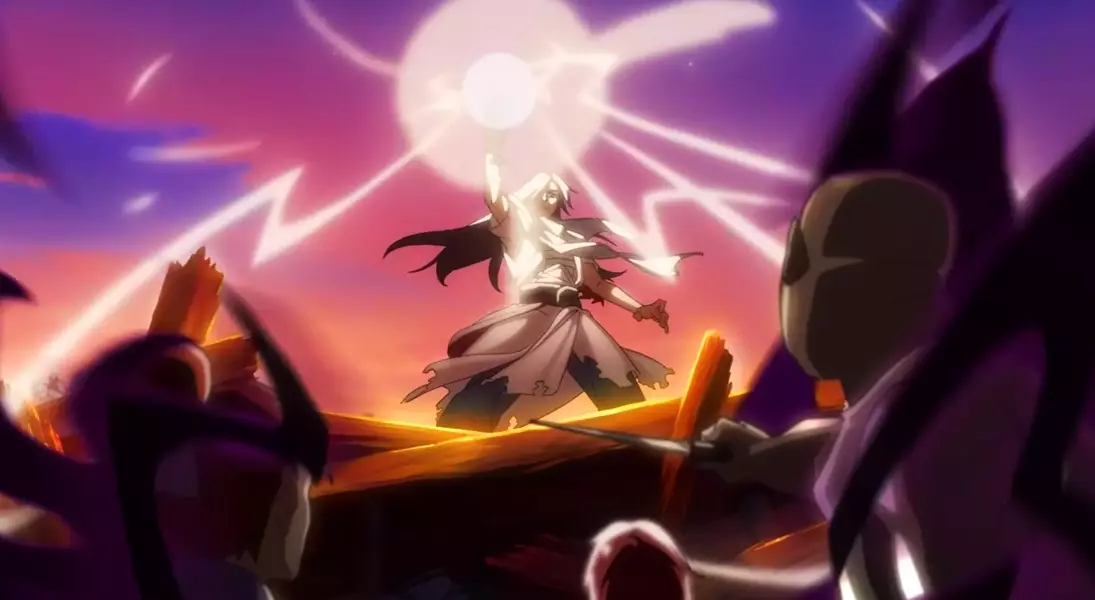
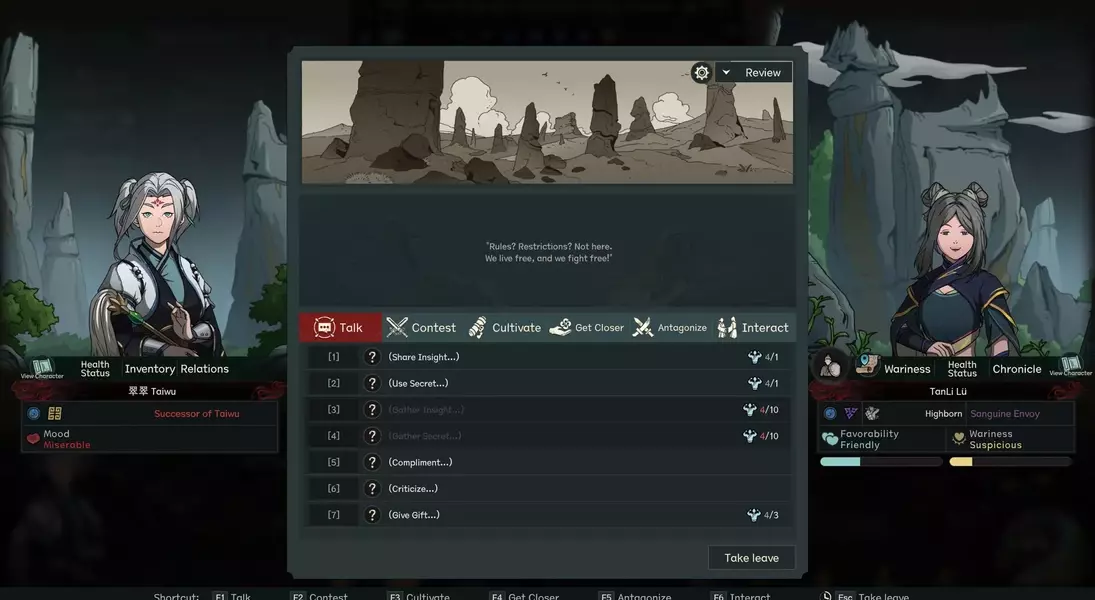
"The Scroll of Taiwu," a highly anticipated Chinese independent role-playing game, has officially transitioned from an eight-year early access period to its full 1.0 release. This strategic simulation, which ingeniously merges characteristics reminiscent of titles like Crusader Kings 2, Kenshi, and Baldur's Gate, has garnered significant acclaim within China, attracting millions of devoted players. Its recent global launch, featuring comprehensive English localization, marks a pivotal moment, introducing its rich tapestry of Wuxia lore and intricate gameplay mechanics to an international audience. This release underscores a growing trend of Chinese-developed games gaining worldwide traction, driven by their unique cultural narratives and innovative design.
The game's development journey, as described by its publishing advisor, Leye "Yager" Yu, has been a testament to perseverance and a deep commitment to its vision. Despite an initial barrier to entry for new players, particularly those unfamiliar with Chinese mythology, the game's profound simulation systems and engaging narrative eventually forge a strong, lasting connection with its audience. The transition to full release not only signifies the culmination of years of dedicated development and community feedback but also positions "The Scroll of Taiwu" as a significant ambassador of Chinese gaming culture on the global stage, promising a deeply immersive experience for those willing to delve into its complex world.
The Long Road to Global Appeal
"The Scroll of Taiwu," an ambitious independent game from China, has spent eight years cultivating a dedicated player base during its early access phase on Steam. This period allowed its unique blend of traditional Chinese mythology, Wuxia martial arts, and complex simulation mechanics to mature. While it achieved immense popularity domestically, its intricate narratives and systems, encompassing over five million words, presented a considerable challenge for international accessibility due to the lack of a full English translation. The game's 1.0 release is a landmark achievement, not only for its developers, ConchShip Games, but also for the broader Chinese gaming industry, as it demonstrates the potential for deeply cultural titles to resonate globally when linguistic barriers are overcome.
The successful launch of "The Scroll of Taiwu" into full release is a culmination of persistent effort to refine its expansive world, characters, and gameplay loops. Publishing advisor Leye "Yager" Yu acknowledges the game's initial learning curve, especially for players unfamiliar with its cultural context, but emphasizes the profound engagement it offers once players are immersed. The game differentiates itself from contemporary action-oriented Chinese titles by focusing on a narrative-driven, open-world experience where players shape destinies through martial arts training, community building, and conflict resolution. This strategic depth, combined with its unique art style and characters, is now poised to captivate a new wave of international players, mirroring the growing global interest in Chinese-developed games.
A Unique Vision in Chinese Gaming
"The Scroll of Taiwu" stands as a beacon of innovation within the Chinese indie gaming scene, showcasing a profound commitment to detailed world-building and player agency. Its gameplay defies easy categorization, drawing comparisons to revered titles like Crusader Kings 2 for its intricate character and lineage systems, Kenshi for its open-ended freedom and harsh world, and Baldur's Gate for its rich narrative and decision-making. Players embark on a journey through a vibrant world, mastering various martial arts disciplines, forging relationships, developing communities, and influencing the course of its history. This deep simulation fosters a highly active community, with players actively sharing strategies and insights, highlighting the game's complex yet rewarding nature.
The game's full English localization is a strategic move to tap into the burgeoning Western interest in Chinese PC games, a trend fueled by the success of titles like "Black Myth: Wukong." Yager believes that by presenting its captivating art and characters, "The Scroll of Taiwu" can effectively draw in players who are curious about the rich historical and cultural narratives often embedded in Chinese productions. Despite the challenges of translating such a massive and culturally specific game, the developers are committed to continuous improvement, addressing bugs and refining the localization to ensure a seamless experience for global audiences. The game's success is a powerful message to indie developers worldwide: deep, concentrated efforts in crafting unique and culturally rich experiences can indeed lead to significant achievements.
